




1. Plank with Shoulder Taps
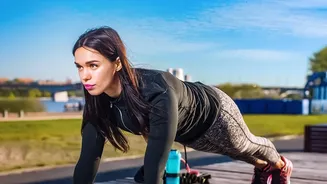
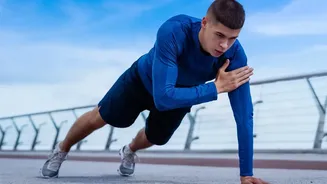
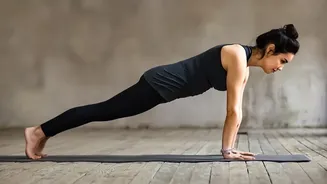
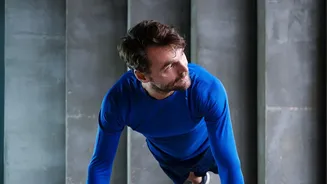
This variation turns a static hold into a dynamic stability challenge. By lifting one hand to tap the opposite shoulder, you force your core to fight against the urge to rotate. This anti-rotation is key for building a strong, functional midsection that
protects your spine. Start in a high plank position with your hands directly under your shoulders and feet slightly wider than your hips for a more stable base. Keeping your core braced, slowly lift your right hand and tap your left shoulder. Return your hand to the floor with control and repeat on the other side. The goal is to keep your hips as still and level as possible; any rocking or swaying means your core has disengaged. This movement not only fires up your abs and obliques but also strengthens your arms, shoulders, and glutes.
2. Side Plank with Leg Lift
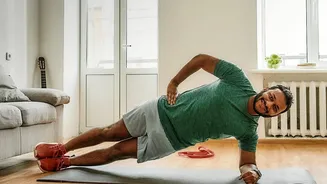
The standard side plank is excellent for targeting your obliques, the muscles running along the sides of your waist. Adding a leg lift dials up the intensity, further challenging your lateral stability and hip strength. To perform it, lie on your side with your elbow stacked directly beneath your shoulder and your feet stacked on top of each other. Lift your hips to form a straight line from your head to your feet. Once stable, slowly raise your top leg as high as you can without letting your hips drop or rotate. Lower the leg with control and repeat. This move specifically targets the obliques and the gluteus medius, a key stabilizing muscle in your hip that is often undertrained. Building strength here is crucial for balance and preventing injury during activities like running and jumping.
3. Long Lever Plank
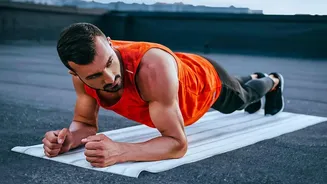
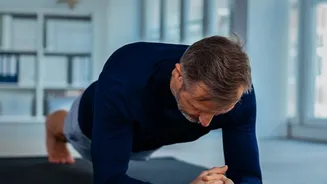
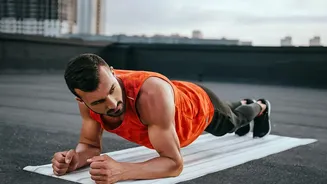
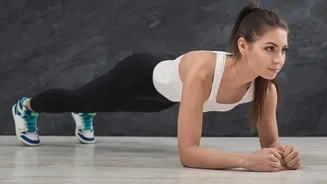
If you want to significantly increase the demand on your core and build serious stamina, the long lever plank is your new best friend. By simply moving your arms further forward, you extend the lever of your body, forcing your abdominal muscles to work much harder to prevent your hips from sagging. Start in a forearm plank position, then walk your elbows forward until they are underneath your face or even further. Ensure your body remains in a straight line from head to heels. You will immediately feel a dramatic increase in activation in your upper abs. Because this variation is so demanding, focus on holding it for shorter periods with perfect form—even 10 to 15 seconds is highly effective when you're starting out. It's an advanced move that builds incredible core tension and endurance.
4. Reverse Plank
Most core work focuses on the front of the body, but the reverse plank shines a spotlight on the often-neglected posterior chain: your glutes, hamstrings, and lower back. Strengthening these muscles is vital for good posture and balancing out the effects of sitting all day. To begin, sit on the floor with your legs extended in front of you and your hands on the floor behind you, fingers pointing toward your feet. Press into your hands and lift your hips toward the ceiling until your body forms a straight line from your shoulders to your heels. Squeeze your glutes and keep your core engaged to prevent your hips from dropping. This exercise not only strengthens your entire backside but also provides a great stretch for your chest and shoulders.
5. Walking Plank (Up-Down Plank)
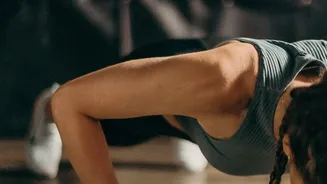
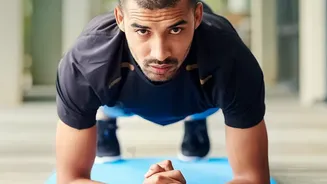
The walking plank, also known as the commando plank or up-down plank, is a dynamic exercise that builds core stamina, shoulder stability, and upper-body strength all at once. You start in a high plank (on your hands) and lower one forearm to the ground at a time to enter a forearm plank. Then, you press back up, one hand at a time, to return to the starting high plank position. The key is to keep your core braced and minimize any side-to-side hip movement as you transition up and down. Alternating which arm leads the movement ensures you are working both sides of your body evenly. This continuous motion elevates your heart rate while challenging your core to remain stable through the shifting of weight, making it an excellent finisher for any workout.