

The Theory of a Lunar Cataclysm
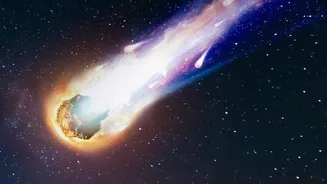
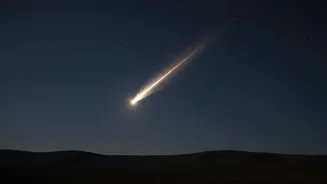
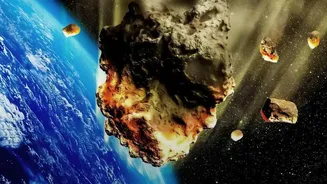
The prevailing story of the Moon’s youth was one of extreme violence. Known as the Late Heavy Bombardment or Lunar Cataclysm, the theory proposed that about 3.9 billion years ago, the inner solar system experienced a sudden and intense spike in asteroid
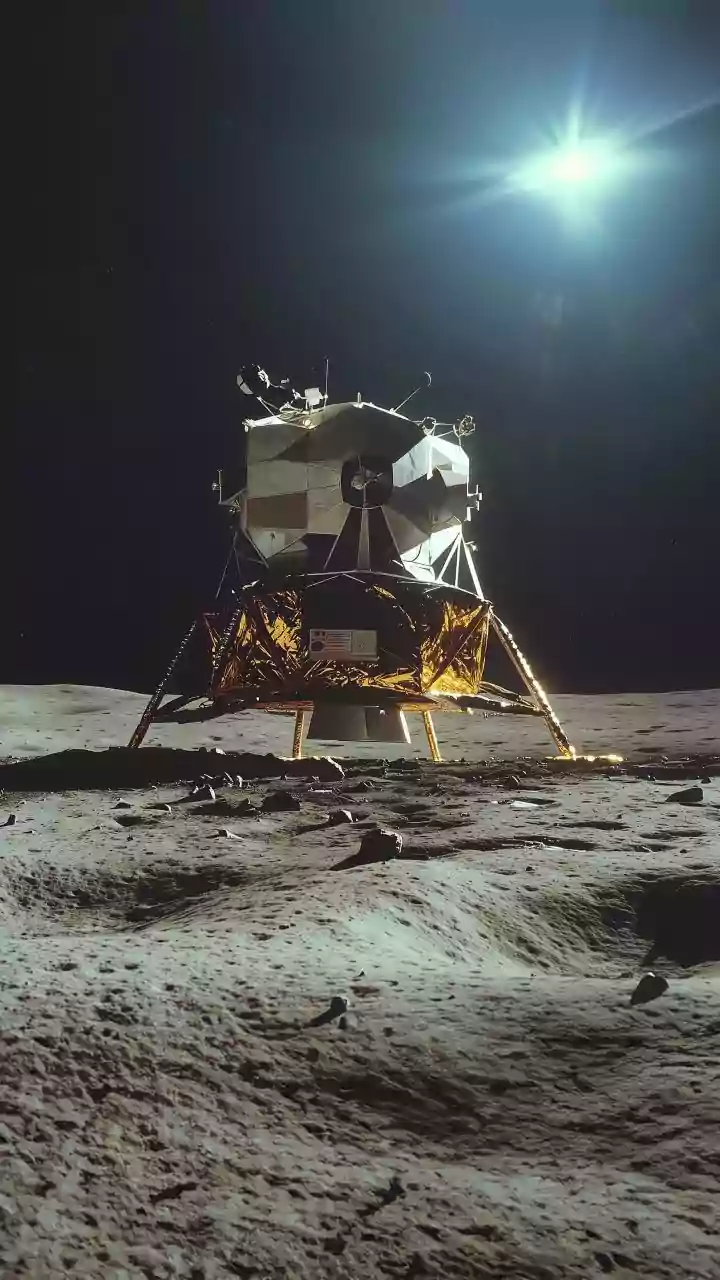
and comet impacts. This idea wasn't just a guess; it was based on our best evidence at the time: the rocks brought back by NASA's Apollo missions and the Soviet Union's Luna probes during the 1960s and '70s. When scientists dated these samples, many of them seemed to cluster around the same 3.9-billion-year-old mark. This suggested that many of the Moon's largest craters, or basins, were all formed in a relatively short window of about 200 million years. This theory became a cornerstone of planetary science, shaping our understanding of how the Moon, Earth, and other planets evolved, and what conditions were like when life may have first emerged on our own world.
A Suspicion of Sample Bias
Even as the Late Heavy Bombardment theory became textbook knowledge, some scientists began to have doubts. A major concern was that all our lunar samples came from a relatively small patch of the Moon's near side. Researchers grew suspicious that the samples might be biased. Most of the Apollo landing sites were within the splash zone of one single, colossal impact that created the Imbrium basin—one of the giant 'seas' visible from Earth. That impact occurred around 3.92 billion years ago. The theory went that debris from this single event could have blanketed a vast area of the near side, essentially contaminating the geological record. If rocks from the Imbrium impact were mixed in with soil at multiple landing sites, it could create the illusion of a global, cataclysmic spike when in fact it was just the signature of one enormous, but localised, event. To truly test the theory, scientists needed rocks from somewhere completely different, somewhere untouched by the Imbrium debris. They needed to go to the far side.
Chang'e-6's Historic Mission
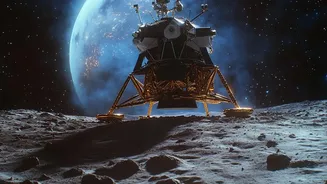
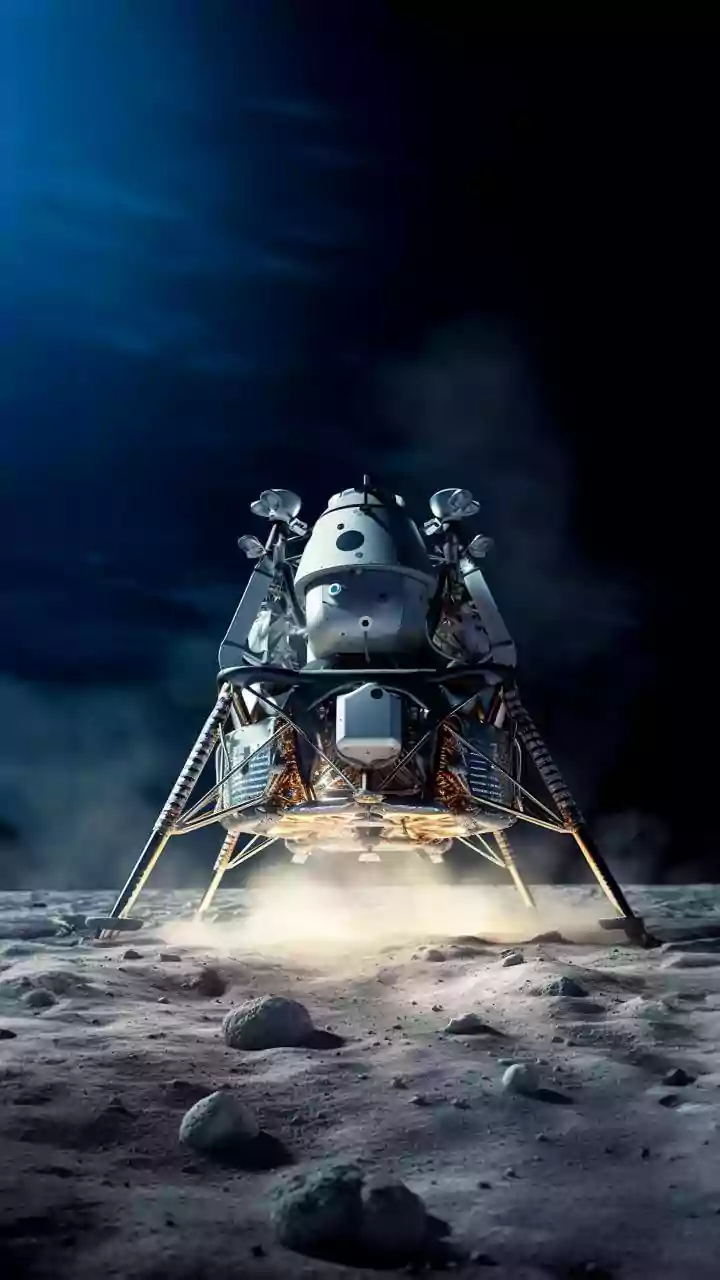
China's Chang'e-6 mission provided that crucial opportunity. In a historic first, the robotic probe successfully landed on the Moon's enigmatic far side in June 2024 and returned with nearly two kilograms of precious rock and soil. The lander touched down in the Apollo basin, a large crater located within the even more massive South Pole-Aitken (SPA) basin. At roughly 2,500 kilometres across, the SPA basin is the oldest and largest impact crater on the Moon, a place that could hold the unvarnished truth of the Moon's earliest history. By analyzing these pristine samples, scientists could finally get a 'clean' look at the bombardment history, free from the potential contamination that plagued the Apollo samples, and compare the two very different hemispheres of the Moon for the first time.
What the Far-Side Rocks Revealed
The initial results are revolutionary. Analysis of the Chang'e-6 samples does not show a distinct, sharp spike of impacts around 3.9 billion years ago. Instead, the evidence points to a more gradual decline in impacts over a much longer period. By dating tiny fragments of melted rock created by impacts, researchers found a range of ages. Critically, some of the major impact events on the far side appear to be much older. For instance, direct dating suggests the enormous South Pole-Aitken basin itself formed around 4.25 billion years ago, hundreds of millions of years before the supposed 'cataclysm'. This finding completely changes the timeline. Rather than a sudden storm of asteroids, it seems the early solar system experienced a long, tapering-off period of bombardment that was less a cataclysm and more a slow, fading rumble.
Rewriting the Solar System's Story
This new evidence from a few grams of far-side dust is forcing a fundamental rethink of the solar system's chaotic youth. It suggests the Late Heavy Bombardment may not have happened as we thought, or at least was not a singular, globe-spanning event. It highlights the importance of sample-return missions in testing long-held theories and reminds us how much we can learn from exploring new frontiers. The Moon acts as a time capsule, preserving a record of impacts that has long been erased from Earth by plate tectonics and erosion. By deciphering the Moon's true history, we get a clearer picture of the conditions on early Earth, including the delivery of water and organic materials by asteroids—key ingredients for the origin of life. The story written in these far-side rocks is just beginning to be read, but it's already changing our place in cosmic history.