





What Are Refined Carbs, Anyway?
First, let's break down what 'refined carbohydrates' really means. Think of them as carbs that have been heavily processed. This process strips whole grains, like wheat, of their bran and germ. While this gives foods like white bread a softer texture
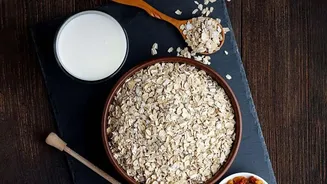
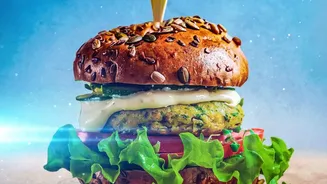
and longer shelf life, it also removes most of the good stuff: fiber, vitamins, and minerals. What’s left is essentially starch that your body digests very quickly, which is why they're often called 'empty calories'. The most common sources of refined carbs in modern diets are foods made with white flour—think white bread, pastries, and pizza dough—as well as sugary drinks and sweets. A standard white burger bun is a primary example of a refined carbohydrate.
The Double Impact on Your Body
When you eat a burger bun, your body quickly breaks it down into sugar, causing a rapid spike in your blood glucose levels. The same thing happens when you eat French fries. While a potato in its natural state is a complex carbohydrate, the process of turning it into a fry—peeling, cutting, and deep-frying—makes its starches more rapidly digestible, giving it a high glycemic index (GI). The GI is a scale that measures how quickly a food raises your blood sugar. A typical burger bun has a high GI, around 61 to 75. French fries also rank high, with a GI of about 73 to 75. Eating two high-GI foods together floods your bloodstream with sugar. Your pancreas then works overtime to release insulin to manage this surge. This can lead to a quick burst of energy followed by the dreaded 'crash,' leaving you feeling tired, irritable, and often craving more sugary foods. Over time, this cycle can contribute to weight gain, insulin resistance, and an increased risk for type 2 diabetes and heart disease.
Smarter Swaps for Your Burger Bun
The good news is you don't have to give up burgers entirely. Making a simple swap for the bun can make a huge difference. The easiest switch is to a whole-wheat or whole-grain bun. These retain their fiber, which slows down digestion and prevents sharp blood sugar spikes. For a low-carb, gluten-free option, consider using large, crisp lettuce leaves as a wrap. Iceberg and romaine lettuce work well, providing a satisfying crunch without the refined carbs. Another creative and flavourful alternative is to use grilled portobello mushroom caps as your 'bun'. Their savoury, umami taste pairs perfectly with a beef patty. Slices of grilled eggplant or even thick-cut sweet potato rounds can also serve as a sturdy and nutritious base for your burger.
Reimagining Your Side Dish
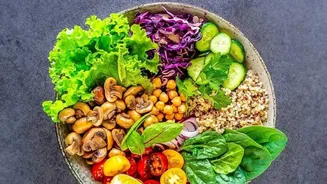
When it comes to the side dish, moving beyond traditional fries opens up a world of healthier, tastier possibilities. A fresh side salad is a simple and effective way to add nutrients and fiber to your meal. If you're craving that satisfying crunch, consider vegetable-based 'fries'. Baked zucchini fries, green bean fries, or grilled asparagus spears are excellent alternatives that are lower in calories and carbs. Sweet potato wedges, baked instead of fried, offer a slightly sweet flavour and are packed with vitamins. Even if you're set on potatoes, the way you prepare them matters. Boiling or baking a potato and letting it cool increases its resistant starch content, which functions more like fiber and has a gentler effect on blood sugar. If you have an air fryer, you can make crispy fries with a fraction of the oil used in deep-frying.