



From Volume to Value
The global image of tourism has often been one of numbers—more arrivals, more hotel rooms, more revenue. But Kerala’s leadership recognised the hidden costs of this model, from environmental strain on its delicate ecosystems to the risk of cultural commodification.
The state's response has been a deliberate pivot from mass-market tourism to a model that prioritises quality over quantity. The strategy is rooted in the understanding that modern, conscious travellers are seeking more than just a photo opportunity; they crave authentic connections and want to know their visit has a positive impact. This shift is guided by Kerala's globally acclaimed Responsible Tourism (RT) Mission, a framework that balances economic growth with social and environmental responsibilities. The goal is no longer just to attract tourists, but to create a resilient and sustainable industry where visitors, locals, and the environment can all thrive.
What 'Experiential Travel' Means in Kerala
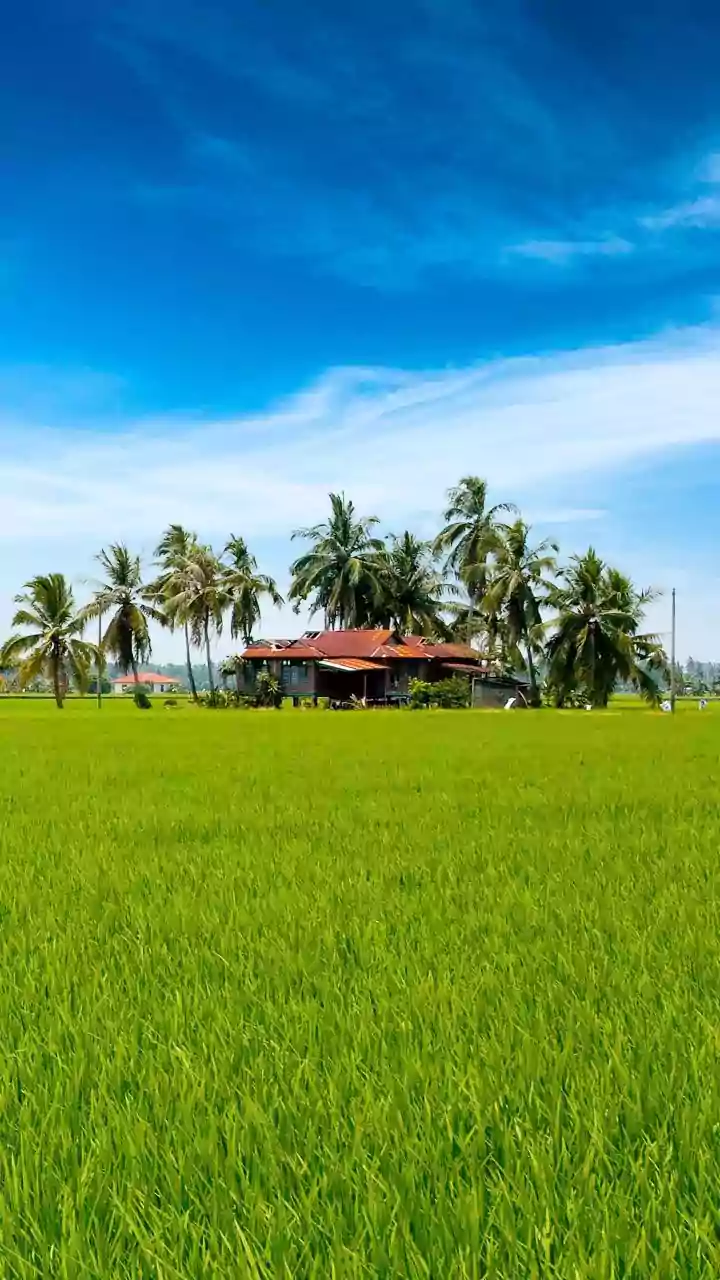
So, what does this new kind of travel actually look like? In Kerala, 'experiential' means swapping a passive holiday for an active, immersive one. It's about participating in the life of the destination. Through the RT Mission, visitors can sign up for 'Village Life Experience' packages that offer a window into the state’s soul. Imagine spending a day learning the art of coir weaving from a local artisan, trying your hand at pottery, or visiting a spice plantation to understand the journey of pepper from vine to table. You can join a local family for a traditional cooking lesson, watch a mesmerising Theyyam performance in a village temple, or take a guided walk through paddy fields with a farmer. In July 2026, the state sanctioned funds for new 'life experience trails' specifically designed to weave together rural life, local cuisine, and living heritage, encouraging meaningful interactions between visitors and communities. This is tourism that engages the senses and creates lasting memories beyond the typical itinerary.
Putting the Community First
A core pillar of Kerala's investment is ensuring that the economic benefits of tourism flow directly into the hands of local communities. The RT model actively connects hotels and tour operators with local farmers, producers, and craftspeople, creating a closed-loop economy where tourist spending strengthens the village ecosystem. The mission explicitly aims to make tourism a tool for poverty eradication and women's empowerment, with initiatives supporting homestays, women-led enterprises, and artisan groups. The state has even partnered with UN Women to make its destinations more gender-inclusive and safe. By providing alternative livelihoods, the policy helps preserve traditional skills that might otherwise disappear and reduces pressure on natural resources. It’s a powerful demonstration of how tourism, when managed responsibly, can be a force for social good, creating jobs and fostering pride in local culture.
Investing in a Greener Future
Lowering the environmental impact of travel is the other side of this coin. Kerala's 2026-27 budget earmarked over ₹325 crore for tourism, with a significant focus on eco-tourism, heritage preservation, and sustainable infrastructure. Practical measures are being implemented across the state, from establishing waste treatment plants for Alappuzha's famous houseboats to deploying 'Green Marshals' in popular tourist spots to promote cleanliness and responsible behaviour. The policy promotes the mantra of 'Reduce, Reuse, Recycle' and prioritises restoring old buildings over constructing new ones wherever possible. This approach extends to promoting eco-friendly transport and developing new destinations like the Pathiramanal Island Eco-Tourism Centre to spread visitor footfalls away from overburdened areas. Even the state's marketing reflects this ethos, with a 2026 digital campaign called 'Travel Now, Post Later' encouraging visitors to be more present and mindful during their travels.