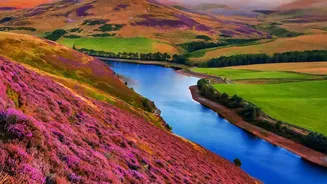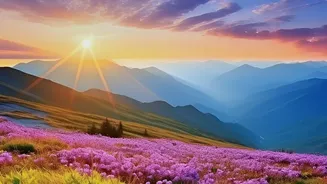




A Once-in-a-Dozen-Year Spectacle
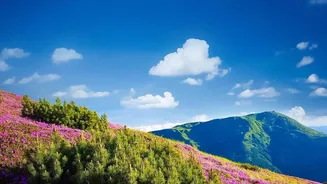
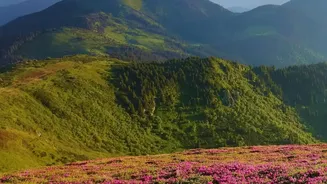
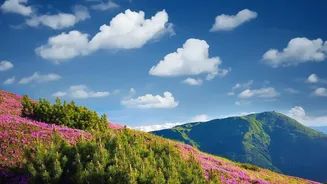
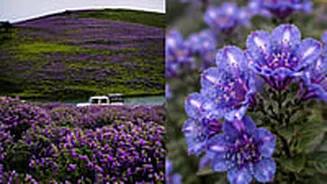
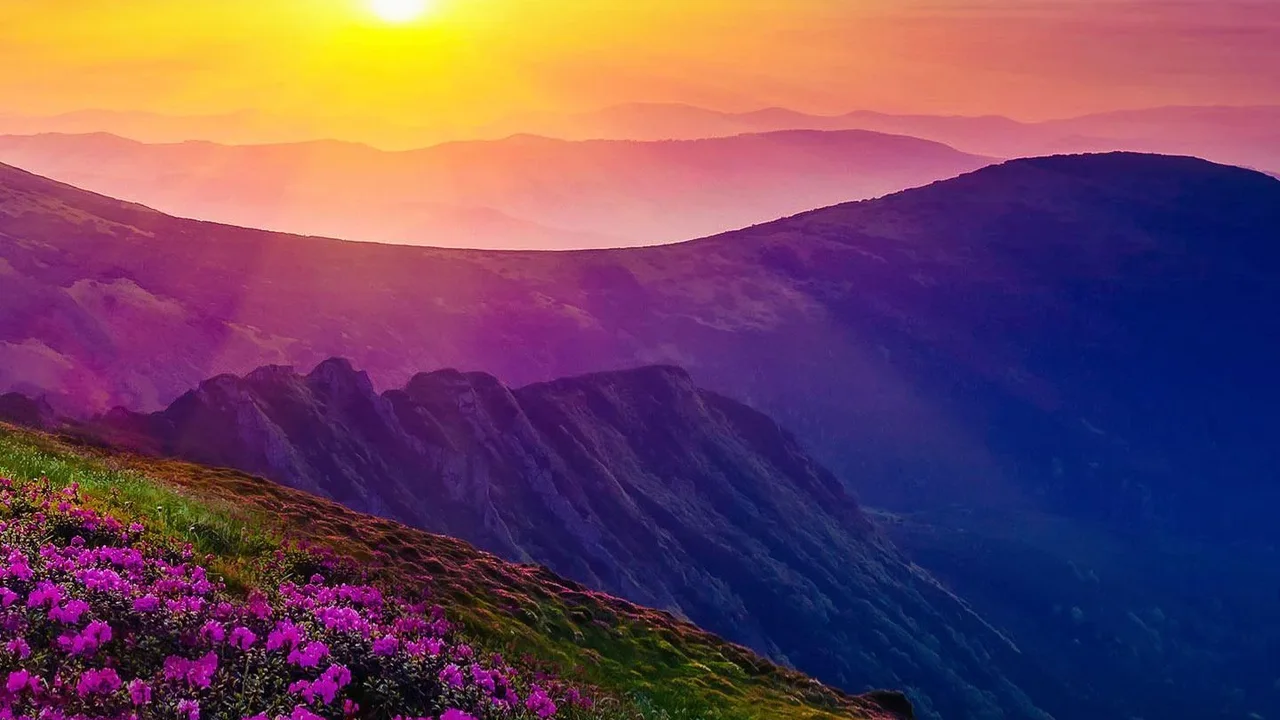
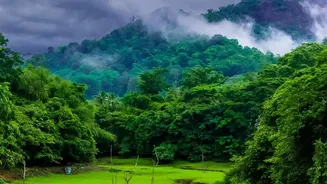
The hills around Munnar are currently witnessing one of nature's most enchanting phenomena: the mass flowering of the Neelakurinji. Scientifically known as Strobilanthes kunthiana, this shrub is endemic to the high-altitude shola grasslands of the Western
Ghats. What makes it extraordinary is its highly synchronized life cycle. The plant grows for 12 years, blooms gregariously in a stunning display of colour, sets seed, and then dies. This rare event transforms entire mountainsides into a sea of purplish-blue, drawing nature lovers from across the globe. The name itself is a combination of the Tamil words 'Neela' (blue) and 'Kurinji' (a mountain flower), a name that has become synonymous with the Nilgiri Hills, or 'Blue Mountains', which are believed to have been named after this very bloom.
The Science of the Synchronised Bloom
The 12-year flowering cycle is a remarkable evolutionary strategy. Botanists refer to this phenomenon as masting or gregarious flowering. By blooming all at once in a massive, coordinated event, the plants overwhelm seed predators like rodents and insects. For over a decade, the plants offer no flowers or seeds, causing predator populations to dwindle. Then, in the twelfth year, an internal biological clock triggers a simultaneous bloom across the entire population, producing an enormous volume of seeds. Predators can feast, but they are unable to consume everything, ensuring that a vast number of seeds survive to germinate and begin the next 12-year cycle. After this single, spectacular reproductive effort, the parent plants die, having secured the survival of their species.
The 2026 Bloom: Two Clocks Ticking
There has been some confusion about the timing of this year's bloom, as many associate Munnar's Neelakurinji with the famous flowering inside Eravikulam National Park, which last occurred in 2018 and is next expected in 2030. However, the Western Ghats are home to different populations of Neelakurinji that operate on separate 12-year clocks. The current 2026 bloom is happening in a different population, primarily across the Chokramudi, Korandakadu, and Mattupetty hills near Munnar. This specific population last bloomed in 2014, making 2026 its scheduled year for flowering. The flowers began appearing in July and August, and the spectacle is expected to peak through September and October.
Cultural and Ecological Significance
Beyond its visual appeal, the Neelakurinji is deeply woven into the local culture and ecology. For indigenous communities like the Paliyan and Muthuvan tribes, the blooming cycle has traditionally been used to calculate their age. The flower holds a place in folklore and is considered an indicator of a healthy ecosystem. Ecologically, the mass flowering provides an abundance of nectar for bees and other pollinators. The honey collected during this period, known as Kurinjithen, is considered rare and is reputed to have medicinal properties. The flower is a flagship species for the conservation of the fragile shola grasslands, a unique ecosystem found only in the Western Ghats.
A Fragile Wonder in Need of Protection
The return of the bloom also highlights the growing conservation concerns surrounding this rare species and its habitat. The Neelakurinji was recently included in the IUCN Red List of Threatened Species, drawing attention to threats from habitat loss, invasive plant species, and pressure from tourism. As visitors flock to witness the purple-blue hills, authorities are working to manage the surge and protect the delicate grasslands. In a recent incident, two youths were booked by the forest department for plucking the protected flowers for an Instagram photoshoot, a violation that can lead to fines and imprisonment. This underscores the need for responsible tourism to ensure this natural marvel can be witnessed by future generations.