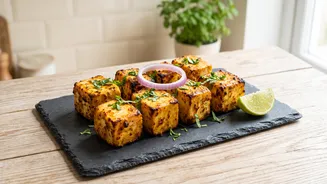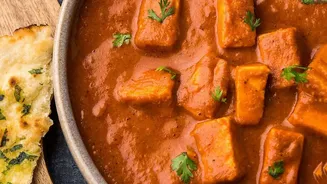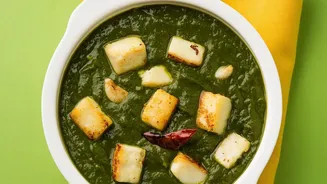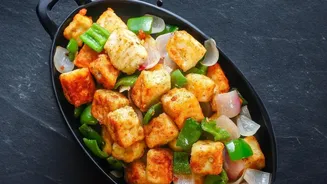







What is FSSAI's New Proposal?
The Food Safety and Standards Authority of India (FSSAI) has introduced the draft Food Safety and Standards (Prohibition and Restrictions on Sales) Amendment Regulations, 2026. At its core, the proposal aims to restrict the use of the term 'paneer' to products
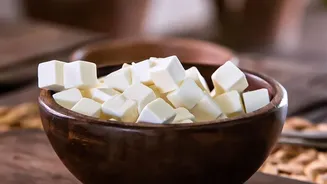
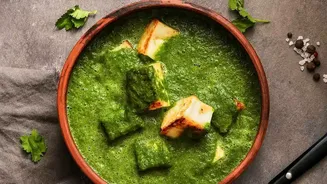
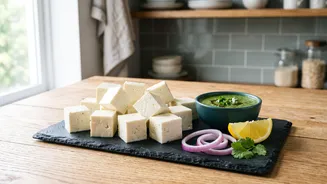
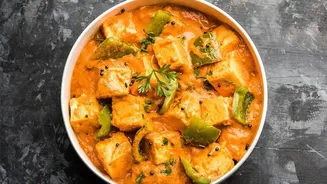
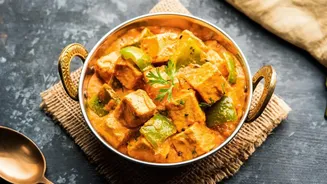
that are made from milk. According to the draft, any product where milk constituents are wholly or partially replaced by non-milk ingredients—such as vegetable fats, oils, or plant proteins—would be barred from using the name 'paneer' in its branding, labelling, or marketing. This category of products is referred to as 'dairy analogues'. The primary goal stated by FSSAI is to prevent consumers from being misled about the nature and composition of the food they are buying, ensuring that the name on the package accurately reflects what is inside.
Why is This Happening Now?
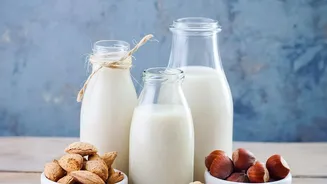
The move comes amid a significant rise in plant-based diets and the growing availability of vegan alternatives in the Indian market. Products made from soy, nuts, or other plant sources that mimic the texture and function of paneer have become increasingly popular. This has created a new market segment for what is often called 'vegan paneer' or other plant-based paneer substitutes. The FSSAI's proposal is a response to concerns that consumers may purchase these analogue products believing them to be traditional, milk-based paneer. This is part of a broader push by the regulator for greater transparency in food labelling. The draft regulation follows earlier enforcement actions in states like Maharashtra and Gujarat, where authorities cracked down on products being sold as paneer despite being made from non-dairy ingredients. FSSAI aims to create a uniform national standard.
The Impact on Food Businesses
Should the draft become law, the impact on food businesses would be substantial. Companies that manufacture and sell non-dairy paneer alternatives would need to rebrand their products entirely. The proposal explicitly states that businesses already licensed under the 'Analogue in Dairy Context' category must discontinue using the word 'paneer' on packaging and in advertisements. This could require significant investment in new marketing strategies and consumer education to familiarise shoppers with new product names. The rule would also extend to the food service industry, including hotels, restaurants, and caterers. These establishments would be required to clearly disclose on menus or display boards if they are using a paneer analogue instead of the traditional dairy product, ensuring transparency at every point of sale.
Protecting Tradition vs. Embracing Innovation
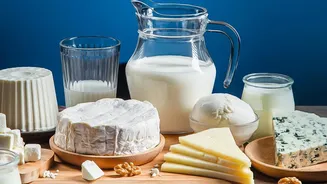
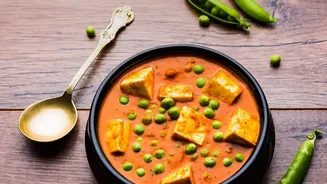
The proposal highlights a growing tension between the established dairy industry and the emerging plant-based sector. For dairy producers, this is a matter of protecting a traditional product's identity. Under existing food standards, paneer is clearly defined as a product obtained by coagulating milk. From this perspective, using the name for a non-milk product is deceptive. On the other hand, plant-based food manufacturers argue that terms like 'vegan paneer' or 'tofu paneer' clearly communicate the nature of the product to their target audience. They see it as a functional descriptor that helps consumers understand how to use the product—in curries, tikkas, and bhurjis, just like its dairy counterpart. For them, the challenge will be to find new terminology that is both compliant and easily understood by consumers looking for dairy-free options.
What Does This Mean for You?
For consumers, the primary change will be at the grocery store and on restaurant menus. If the regulations are finalised, you will see clearer distinctions between milk-based paneer and its plant-based alternatives. A product made from soy or nuts will no longer be on a shelf labelled 'paneer'. This is intended to help you make more informed choices, ensuring you know exactly what you're buying—whether it's for dietary preference, health reasons, or allergies. While the names may change, the products themselves will likely remain available, albeit under a different classification. Shoppers looking for non-dairy options will need to familiarise themselves with new names for these products.