




First, What Are Refined Fuels?
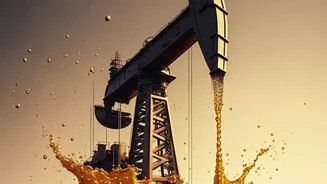
Think of crude oil as raw wheat and refined fuels as the final products like bread and pasta. Crude oil itself isn't very useful. It needs to be processed in a large industrial plant called a refinery. This process, known as refining, breaks down the crude oil and transforms
it into the fuels that power our daily lives: petrol (gasoline) for cars, diesel for trucks and tractors, and jet fuel for airplanes. When the IEA talks about a shortage of refined fuels, it's not necessarily a shortage of raw crude oil, but a lack of capacity to turn that oil into the usable products we depend on.
What is the IEA Warning About?
In its latest reports, the IEA highlights a growing disconnect. While crude oil may be available, the world's ability to refine it is under severe strain. The agency has warned that the market for products like diesel is particularly tight and that these conditions could last well into 2027. Inventories are depleted, meaning there's less of a buffer to handle supply shocks. This fragility is caused by a perfect storm of factors, leaving consumers and economies vulnerable to price spikes and potential availability issues.
The Core Problem: A Global Refinery Squeeze
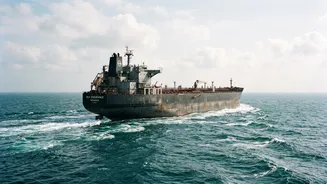
Several factors are choking the world's refining capacity. Geopolitical conflicts have been a major driver. Ukrainian drone attacks have damaged and reduced output from Russian refineries, a major global supplier. Simultaneously, conflict in the Middle East has disrupted shipping through crucial chokepoints like the Strait of Hormuz, affecting not only crude oil shipments but also the export of refined products from the region. On top of this, some existing refineries around the world have closed, and investment in new capacity has been slow, further shrinking the global ability to meet demand. Refineries are being run at exceptionally high rates to keep up, but there's a limit to how much they can produce.
How This Affects India
While India is heavily dependent on imported crude oil, it is also a major refining hub, often called a 'refining superpower'. It has become a key 'swing supplier' of refined fuels to the world, exporting significant amounts of petrol, diesel, and jet fuel, particularly when other sources are disrupted. However, this global shortage still carries risks. Reduced crude flows to Asia due to disruptions have, at times, forced Indian refineries to cut their processing rates. A global diesel shortage also translates into higher costs for transportation, which can drive up inflation for everything from food to manufactured goods across the Indian economy. The price you pay for petrol and diesel is directly linked to these complex global pressures.
What Happens Next?
The IEA's Executive Director, Fatih Birol, has warned that energy markets are unlikely to return to pre-conflict stability in 2027. The outlook depends heavily on the restoration of stable shipping routes and a recovery in output from disrupted refineries. For India, the situation presents both a challenge and an opportunity. The government is pushing to expand India's refining capacity further, aiming to solidify its role as a key supplier to the world. This could help cushion the domestic market while also generating export revenue. However, as long as global inventories remain low and geopolitical tensions high, the market for the fuels that power our economy will remain fragile and subject to volatility.