








The Seed of a Sweet Idea
The notion that maple syrup could be a cholesterol-fighter didn't appear out of thin air. It stems from preliminary scientific research. Like many plant-based foods, pure maple syrup contains antioxidants. It is a source of minerals like manganese and
zinc, and researchers have identified dozens of beneficial compounds, including one called Quebecol, which is formed when maple sap is boiled into syrup. Some early studies, mostly conducted on animals or in labs, have suggested these components might have positive health effects. For instance, one study on mice found that a maple syrup extract reduced levels of LDL cholesterol, often called "bad" cholesterol. These initial findings are intriguing and have fueled hope that maple syrup could be more than just a simple sugar.
From Lab Mice to Human Health
Here's where the claim begins to unravel. Promising results in animal studies do not automatically translate to benefits in humans. The research on maple syrup and cholesterol in people is extremely limited. Animal studies often use concentrated extracts or doses that would be impractical, if not unhealthy, for a person to consume. While a mouse might show improved cholesterol on a diet including a maple syrup extract, a person would have to consume a very large amount of syrup—and all the sugar that comes with it—to even attempt to replicate those conditions. Currently, there are no robust clinical trials that prove consuming maple syrup will lower cholesterol in humans. Without that evidence, it remains a sweet theory rather than a proven remedy.
The Reality: A Spoonful of Sugar
It’s crucial to remember what maple syrup is at its core: a sweetener. A single tablespoon contains around 52 calories and over 12 grams of sugar. While it does have a slight edge over table sugar because it contains some minerals and has a lower glycemic index (meaning it raises blood sugar more slowly), your body ultimately processes it as sugar. Health organizations worldwide recommend limiting added sugars in your diet. Relying on maple syrup as a health supplement could easily lead to consuming excess sugar, which is linked to weight gain, an increased risk of type 2 diabetes, and other metabolic issues—factors that can negatively impact heart health and cholesterol levels over time.
Proven Ways to Manage Cholesterol
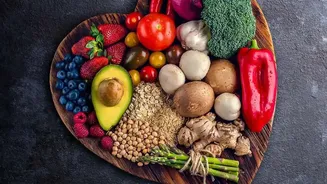
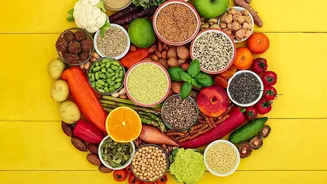
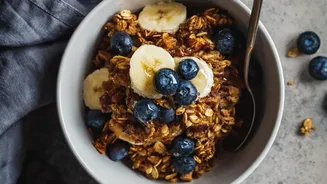
Instead of looking to the syrup bottle for a quick fix, experts point to proven, evidence-based strategies for managing cholesterol. A heart-healthy diet is paramount. This includes reducing saturated and trans fats, found in red meat, full-fat dairy, and many processed foods. Conversely, increasing your intake of soluble fiber from foods like oats, barley, apples, and beans can help block cholesterol from being absorbed into your bloodstream. Healthy fats, particularly omega-3 fatty acids found in fish like salmon and mackerel, are also beneficial for heart health. Regular physical activity and maintaining a healthy weight are other powerful tools for improving your cholesterol profile. These lifestyle changes form the bedrock of effective cholesterol management, supported by decades of research.