






The Foreign Grip on India’s Strawberry Fields
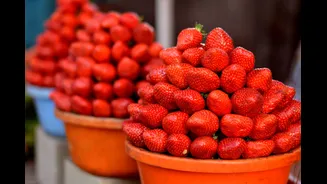
For years, Indian strawberry cultivation has been overwhelmingly dependent on a handful of patented plant varieties imported from the United States and Europe. Cultivars like 'Winter Dawn' and 'Seascape' are popular, but this reliance comes at a cost.
Farmers often face high import costs for planting materials, known as runners, and must navigate complex international shipping and quarantine regulations. These foreign varieties are typically bred for temperate climates, which means they may not always perform optimally in India's diverse and often warmer growing conditions, potentially affecting yield and fruit quality. This dependency exposes farmers to global supply chain disruptions, currency fluctuations, and the recurring expense of buying new plants season after season.
The Dawn of a Desi Strawberry
A strategic shift towards agricultural self-sufficiency is taking root. Research institutions across India are now focused on developing indigenous strawberry varieties. The goal is to breed plants specifically adapted to local conditions, a move that could transform the country's horticulture sector. A key player in this initiative is the Mahatma Phule Krishi Vidyapeeth, which has reportedly partnered with the Bhabha Atomic Research Centre. Their work includes experiments using advanced techniques to create new, climate-resilient cultivars. This initiative isn't just about replacing foreign plants; it's about building a domestic breeding pipeline to secure India's agricultural future and position it as a competitive player in the global market.
What Makes a 'Made in India' Berry Better?
The primary advantage of a locally bred strawberry lies in its suitability for the Indian environment. Researchers are aiming to develop varieties that can offer better heat tolerance, resistance to local pests and diseases, and more consistent yields across India’s varied agro-climatic zones. For farmers, this could mean more sustainable and cost-effective cultivation. For consumers, it could lead to a more stable supply of high-quality fruit. Beyond resilience, there is also the potential to cultivate unique flavour profiles that cater to the local palate, moving beyond the uniform sweetness of some commercial types to berries with a more complex, tart edge.
The Economic Ripple Effect
Breaking free from foreign patents and import reliance has significant economic implications. Access to locally developed, affordable planting material could substantially lower production costs for farmers, improving profit margins for the small and marginal growers who dominate India's horticultural landscape. A stable, domestic supply chain would be less vulnerable to international market shocks, enhancing food security. Furthermore, successfully developing competitive homegrown varieties could boost both domestic consumption and export potential, allowing India to strengthen its position in the global fruit market. This shift represents a move from being a consumer of foreign agricultural technology to becoming a producer of it.
The Road Ahead
The journey to strawberry self-sufficiency is a marathon, not a sprint. Developing, testing, and commercializing new plant varieties is a painstaking process that can take many years of research, field trials, and regulatory approvals. Even as domestic programs gain momentum, imported varieties will likely remain a fixture in Indian fields for the foreseeable future. The success of this ambition hinges on sustained investment in agricultural research and strong partnerships between public institutions and private growers. While the first baskets of truly Indian-bred strawberries may still be a few harvests away, the groundwork for a sweeter, more self-reliant future is already being laid.