





The Simple Power of Warm Water
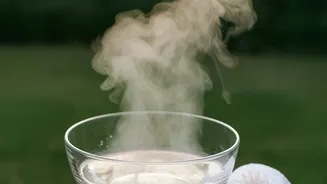
The primary soothing effect of a foot soak comes from the warm water itself. This isn't just a feeling; it's a physiological response. Immersing your feet in warm water helps to dilate blood vessels, a process known as vasodilation. This widening of the vessels boosts
circulation, increasing the flow of blood to your feet and lower legs. Better circulation helps to flush out metabolic waste, ease muscle soreness, and reduce swelling. The warmth also has a direct effect on tense muscles, helping them to relax and alleviating the aches and stiffness that come from standing or walking for long periods. This simple hydrotherapy can calm the nervous system, providing a foundation for stress relief and relaxation that is effective all on its own.
Why We Add Eucalyptus
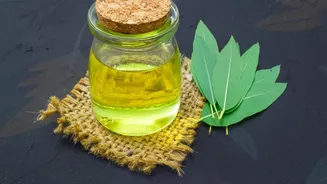
Eucalyptus oil is a popular addition to foot soaks, prized for its potent, refreshing aroma and therapeutic properties. Its main active compound, eucalyptol (or 1,8-cineole), is responsible for many of its benefits. In aromatherapy, the invigorating scent of eucalyptus is used to promote mental clarity, reduce stress, and create a sense of calm. When added to a warm foot soak, the steam helps to vaporize the oil, allowing you to inhale its scent, which can help clear congestion and ease respiratory symptoms from a cold or sinusitis. Topically, eucalyptus oil has anti-inflammatory and antimicrobial properties. This may help soothe skin, reduce irritation, and combat odor-causing bacteria. For many, the cooling sensation and distinct scent transform a simple soak into a more spa-like, sensory experience.
Essential or Just a Nice Extra?
While eucalyptus oil offers its own set of benefits, it is not essential for achieving the core soothing effect of a foot soak. The relaxation of muscles and improved circulation are delivered primarily by the warm water. Think of the warm water as the main course and eucalyptus as an optional, flavorful seasoning. Adding essential oils like eucalyptus can enhance the experience through aromatherapy and may provide additional targeted benefits, such as mental clarity or antimicrobial action. However, if you don't have any essential oils on hand, or if you have sensitive skin that might be irritated by them, a plain warm water soak is still a highly effective and beneficial practice. The most important part of the ritual is the heat and the time you take for yourself.
Crafting Your Perfect Foot Soak
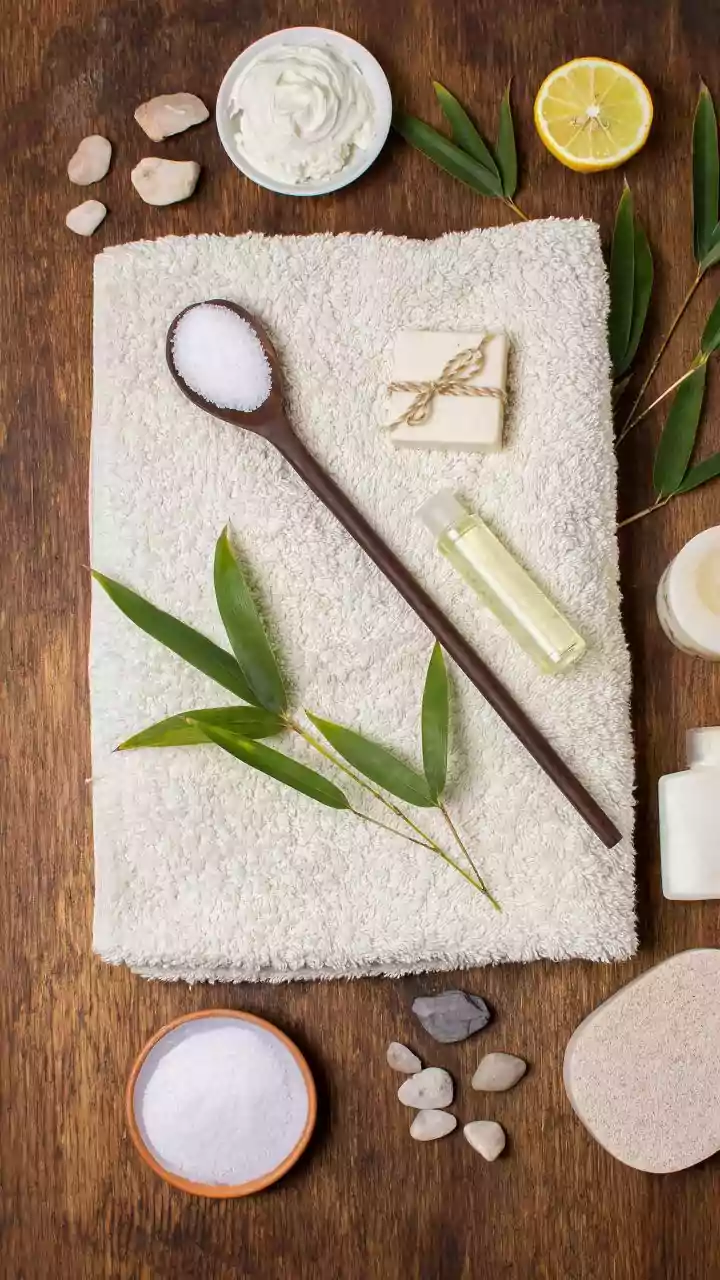
Creating a restorative foot soak is simple. Fill a basin or tub with water that is warm, but not scalding, to avoid any risk of burns. A temperature that is comfortably warm to the touch is ideal. If you wish, this is where you can add other ingredients. For a basic but effective soak, consider dissolving half a cup of Epsom salts, which can help ease muscle soreness and reduce inflammation. You can also experiment with household items like baking soda to soothe itchy skin or a small amount of vinegar to help with foot odor. If you do choose to use eucalyptus oil, remember that it is potent and should be diluted properly. A few drops mixed with a carrier oil (like coconut or olive oil) or with the Epsom salts before adding to the water is sufficient. Soak your feet for 15 to 20 minutes, then dry them thoroughly, paying special attention to the areas between your toes.