






Your Gut on Standby
During a fast, your body cleverly redirects energy. Instead of constantly working to digest food, your gut gets a well-deserved break. The production of digestive enzymes, stomach acid, and bile shifts into a lower gear. This resting state is beneficial
for cellular repair, but it also means your digestive system isn't prepared for a sudden, heavy workload. Think of it as a factory that has scaled down production; you can't just flip a switch and expect it to run at full capacity instantly. Rushing into a large, complex meal can overwhelm this system, leading to the very common post-fast feelings of bloating, gas, and general discomfort.
The Science of Eating Slowly
The advice to 'eat slowly' is more than just an old saying; it’s rooted in physiology. It takes approximately 15 to 20 minutes for your stomach to send signals to your brain that it is full. Eating quickly bypasses this crucial communication loop, making it easy to overeat before your brain even registers satisfaction. Chewing thoroughly is the first step of digestion. It breaks down food into smaller, more manageable particles and mixes it with saliva, which contains enzymes that kickstart the digestive process. This simple action reduces the strain on your stomach. Eating slowly gives your system the time it needs to gradually ramp up the production of the necessary acids and enzymes to properly handle the incoming food.
The Perils of a Post-Fast Feast
The temptation to indulge after days of dietary restrictions is strong. However, jumping straight into heavy, fried, or excessively sweet foods can cause a shock to your system. When you eat too much too fast, your unprepared stomach struggles to keep up. This can lead to a host of uncomfortable symptoms including indigestion, acidity, painful gas, and bloating. In some cases, particularly after very long fasts, reintroducing food too quickly can even lead to a serious condition known as refeeding syndrome, which involves dangerous shifts in fluids and electrolytes. While this is rare for a typical Navratri fast, it highlights the importance of a gentle transition.
Your First Post-Fast Meals
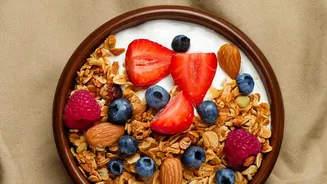
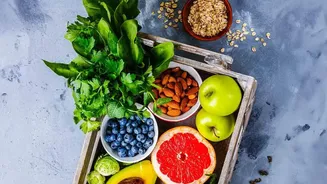
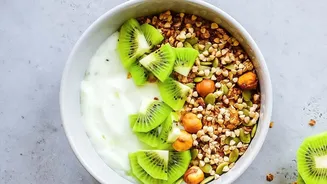
The key to breaking a fast successfully is to start light and easy. Your first meal should be small and feature foods that are gentle on the stomach. Begin with hydration; water, coconut water, or a thin buttermilk are excellent choices to replenish fluids. For your first solid food, consider a piece of fruit like a banana or papaya. A small bowl of plain yogurt or curd can also be soothing and provides probiotics. A light, well-cooked meal like moong dal khichdi, a simple vegetable soup, or steamed vegetables are ideal as they provide nourishment without being heavy. These foods are easily digestible and help wake up your gut gradually.
What to Temporarily Avoid
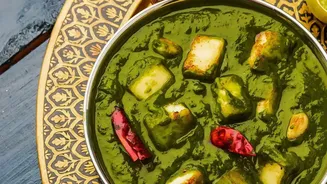
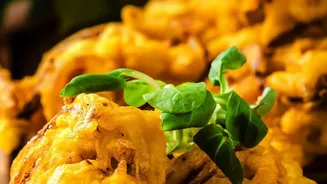
Just as important as what you eat is what you don't eat in those first few hours. For at least the first one or two meals, it’s wise to steer clear of certain foods that can tax your digestive system. This includes deep-fried items like puris and pakoras, which are heavy and fatty. Avoid overly spicy dishes that can irritate the stomach lining. Rich, creamy sweets and desserts loaded with sugar can also be difficult to process and may cause a sharp spike in blood sugar. Furthermore, avoid raw salads and very high-fibre foods initially, as they can be harder to break down than cooked vegetables. You can gradually reintroduce these foods over the next day or two as your system returns to normal.