





The Music of Midnight
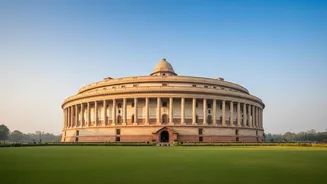
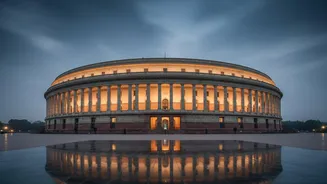
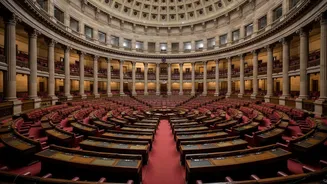
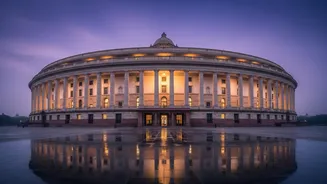
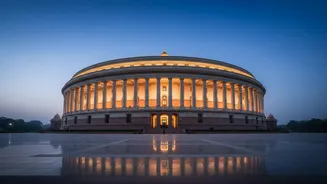
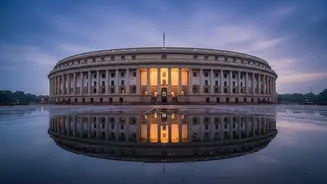
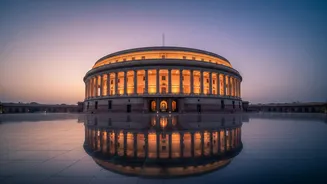
In the historic midnight session of the Constituent Assembly on August 14-15, 1947, the air was thick with emotion and anticipation. As India transitioned to a sovereign nation, the proceedings were marked by powerful symbols. The session began with the singing
of the first two stanzas of 'Vande Mataram' by Sucheta Kripalani, a song that had been a battle cry for freedom fighters for decades. However, as the momentous session concluded, the members unanimously rose to sing 'Jana Gana Mana'. While it was a powerful and unifying moment, the song was performed out of popular sentiment and its long association with the freedom struggle, not as the officially declared national anthem of the newly independent country.
A Song's Long Journey to an Anthem
Rabindranath Tagore composed 'Bharoto Bhagyo Bidhata' in 1911. The first of its five verses, which we now know as 'Jana Gana Mana', was first sung publicly on December 27, 1911, at the Calcutta session of the Indian National Congress. Throughout the years, the song's popularity grew. It became a school song at The Doon School in 1935 and was adopted in a Hindustani version, 'Subh Sukh Chain', as the anthem for Subhas Chandra Bose's Indian National Army in 1941. Its journey included being played by the Radio Symphony Orchestra of Hamburg in 1942. Despite its widespread use and emotional resonance within the nationalist movement, it lacked the formal stamp of approval from the state.
The Debate Over National Symbols
The choice of a national anthem was not a foregone conclusion. There was considerable debate within the Constituent Assembly. A strong contender was 'Vande Mataram', the poem written by Bankim Chandra Chatterjee in the 1870s. This song was deeply embedded in the history of the freedom struggle and was revered by many. However, there were reservations from some quarters. The later verses of 'Vande Mataram' contain references to the goddess Durga, which led to objections that it might not be suitable for a secular republic with diverse religious communities. The Indian National Congress had itself decided back in 1937 to adopt only the first two stanzas for public gatherings to ensure inclusivity. This historical context played a crucial role in the final decision.
The Official Declaration
The matter was finally settled more than two years after independence. On January 24, 1950, just two days before India became a republic, the President of the Constituent Assembly, Dr. Rajendra Prasad, made a formal statement. He announced that 'Jana Gana Mana' would be the National Anthem of India. To honour the other song's immense contribution to the freedom movement, Prasad also declared that 'Vande Mataram' would be recognised as the National Song and would have equal status. This decision was not put to a formal vote but was accepted by the assembly, resolving a long-pending issue. The members then signed the final copies of the Constitution, and the session concluded with a singing of the newly designated national anthem.