




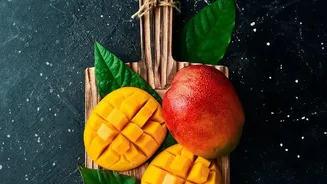

The King of Fruits, Barred from America
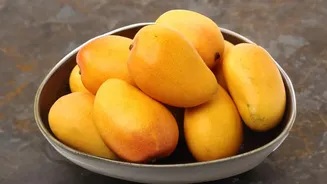
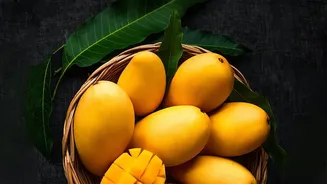
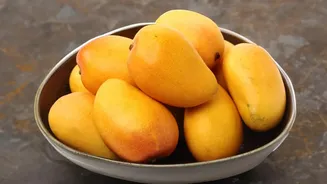
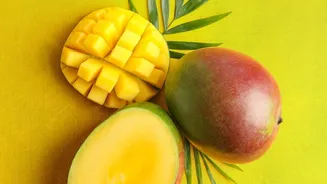
From 1989 to 2007, Indian mangoes, including the world-renowned Alphonso, were banned from entering the United States. The official reason cited by the U.S. Department of Agriculture (USDA) was a legitimate agricultural concern: the risk of introducing
pests like the fruit fly, which could potentially devastate American crops. For 18 long years, this ban meant that one of India's most significant cultural and culinary exports was locked out of the world's largest consumer market. For the growing Indian diaspora in the US, it created a tangible disconnect from the tastes of home, forcing them to settle for other varieties that lacked the unique flavor and aroma of Indian mangoes.
A Sweetener for a Nuclear Deal
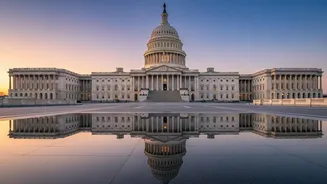
The situation began to change in the mid-2000s as India and the U.S. entered a new era of strategic partnership. The centerpiece of this growing relationship was the landmark U.S.-India Civil Nuclear Agreement, a complex and sensitive pact designed to allow civil nuclear trade. As negotiations progressed, the long-standing mango ban emerged as a symbolic bargaining chip. The issue was elevated during a 2006 visit to India by then-U.S. President George W. Bush. After tasting an Alphonso mango, he reportedly called it a “hell of a fruit.” This personal endorsement helped accelerate what became known as "mango diplomacy," linking the fruit's market access to the far weightier nuclear issue.
A Quid Pro Quo: Harleys for Hapoos
Diplomacy often involves a transactional give-and-take, and the mango deal was no exception. To finalize the agreement, a quid pro quo was established. The United States would grant access to Indian mangoes on the condition that they underwent a process called irradiation to eliminate any pest risk. In return, India agreed to open its market to an iconic American product that had its own market access issues: Harley-Davidson motorcycles. This trade-off was a classic example of how lower-stakes commercial issues can be bundled with high-stakes geopolitical negotiations, allowing both sides to claim a victory.
The First Bite of a New Era
In April 2007, the first commercial shipment of Indian mangoes in 18 years landed at JFK International Airport in New York. The event was more than just a trade milestone; it was a powerful symbol of a renewed and maturing relationship. For years, U.S.-India ties had been marked by a degree of mistrust, but the arrival of the mangoes represented a tangible, edible outcome of successful diplomacy and increased trust. It showcased that the two nations could work through complicated regulatory hurdles to achieve mutually beneficial outcomes. For countless members of the Indian-American community, the arrival was a deeply personal and nostalgic moment, finally allowing them to share a cherished part of their heritage with a new generation.