







An Invasion of Jellyfish
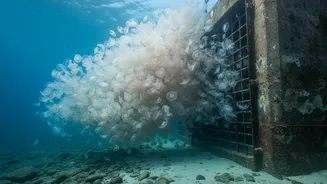
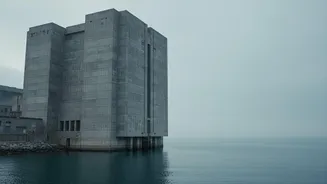
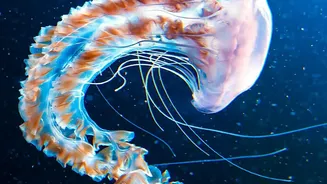
Earlier this week, operators at the Gravelines nuclear power plant in northern France, one of Western Europe's largest, faced an unusual challenge. A massive influx of jellyfish, estimated at several tens of tons, swarmed the facility's coastal water
source. The plant, operated by French energy giant EDF, relies on a steady flow of seawater to cool its six powerful reactors. As the gelatinous creatures clogged the intake filters, the flow of that essential cooling water was restricted. In response to this blockage, the plant's automatic safety systems kicked in, forcing a precautionary shutdown of multiple reactors to prevent any risk of overheating. Three reactors were taken offline entirely, output from a fourth was halved, and with another already down for scheduled maintenance, only a single reactor remained operating at full capacity.
Why Seawater Is a Vulnerability
Coastal power plants, both nuclear and fossil fuel-based, are engineering marvels, but they have an Achilles' heel: their reliance on the sea. They draw in millions of litres of water to absorb excess heat from their operations before discharging it back into the ocean. To prevent fish, seaweed, and other debris from entering and damaging the complex machinery, these intake pipes are fitted with robust filtering screens. However, these systems were not designed to handle the sheer volume of a jellyfish bloom. When a dense swarm arrives, the creatures are pulled against the filters, creating a thick, gelatinous barrier that chokes the flow of water. A reduction in cooling water can lead to a dangerous rise in temperatures, which is why automated safety protocols trigger a reactor shutdown long before the situation becomes critical. The shutdown is not a sign of failure, but rather proof that the safety measures are working exactly as intended.
The Official Response
In a statement following the incident, EDF was quick to reassure the public. The company confirmed that the situation had no impact on the safety of the facilities, personnel, or the surrounding environment. It described the shutdown as a precautionary measure and affirmed that teams were fully mobilized to clear the blockages and safely bring the reactors back online. To manage the situation, fishing vessels were dispatched to patrol the waters near the plant, using trawler nets to catch the jellyfish and release them further offshore. Following a similar incident at the same plant last year, EDF had installed cameras to monitor the intake channels, creating an early-warning system to anticipate the arrival of these marine swarms.
A Growing Global Phenomenon
The events at Gravelines are far from isolated. This has become a recurring operational headache for coastal power facilities around the world. In recent years, jellyfish swarms have caused similar shutdowns at power plants in Scotland, Sweden, Japan, and the United States. EDF’s own Torness plant in Scotland has had to shut down on multiple occasions due to jellyfish blocking its filters. Scientists believe that rising sea temperatures may be contributing to more frequent and intense jellyfish blooms, suggesting these encounters between nature and technology could become more common. For energy companies, it represents a persistent environmental risk that requires constant monitoring and innovative mitigation strategies, turning marine biology into a surprising but necessary component of power grid management.