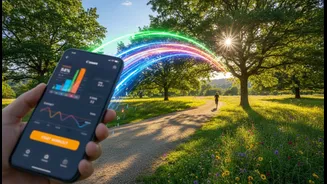








Leaving the 'No Pain, No Gain' Mindset Behind
For decades, we’ve been told that an effective workout has to be gruelling. But this rigid mindset often ignores the natural fluctuations in our daily lives. Stress, sleep, nutrition, and hormonal cycles all impact how much energy we have. The practice
of tuning into your body's cues to guide your physical activity is often called intuitive movement. It’s not about doing less; it’s about moving smarter. By matching your exercise to your energy level, you can prevent burnout, reduce the risk of injury, and build a more sustainable and enjoyable relationship with fitness. The goal is to let go of guilt and embrace flexibility. Sometimes your body is primed for a challenge, and other times it’s calling for recovery and gentle motion. Both are equally valid and important parts of a healthy lifestyle.
For Your High-Energy Days: Push and Play
Some days you wake up feeling unstoppable. Your sleep was deep, your mind is clear, and you feel ready to take on the world. These are the days to embrace intensity and challenge your limits. Your body is telling you it's ready for more, so take advantage of it. High-energy days are perfect for workouts that build strength and cardiovascular endurance. Think of activities like a High-Intensity Interval Training (HIIT) session, a long run, a fast-paced spin class, or strength training with heavier weights. These workouts release a rush of endorphins, boost your metabolism, and leave you with a powerful sense of accomplishment. The key is to channel that abundant energy productively, always focusing on good form to maximize benefits and prevent injury.
For Your Low-Energy Days: Move Gently
Everyone has days where the thought of a workout feels exhausting. Whether it's due to a poor night's sleep, a stressful day, or just general fatigue, forcing a high-intensity session is often counterproductive. On these days, the goal shifts from pushing your limits to simply moving your body. Gentle movement can actually help restore energy, not deplete it further. Excellent choices for low-energy days include a brisk walk, a gentle yoga or Pilates session, light stretching, or some low-impact cycling. Even a 10-minute walk can improve circulation, boost your mood, and keep the habit of daily movement alive without adding stress to an already tired system. Remember, consistency is more important than intensity in the long run. These gentle sessions are a vital part of a balanced routine.
When You're Stressed: Mindful and Restorative
Mental and emotional stress can be just as draining as physical exertion, and can even make exercise feel harder. When you're feeling anxious or overwhelmed, the best type of movement is often one that calms the nervous system. While an intense run can be a great stress-reliever for some, for others it can elevate stress hormones like cortisol. Instead, consider mindful movement practices that connect the body and breath. Restorative yoga, with its focus on slow movements and deep breathing, can be incredibly soothing. Tai chi, often described as meditation in motion, is another excellent option for reducing stress. Even a quiet walk in nature can help clear your head and lower feelings of anxiety, activating the body's rest-and-recover system. The goal is to move in a way that feels grounding and centring.