





The joyous blaze of Diwali, with its rich feasts and irresistible sweets, often leaves us feeling sluggish. Now that the festivities are over, getting back to a regular eating schedule feels essential. Here's how to do it without stress.
Don't Skip Meals to 'Save Up'
One of the most
common mistakes people make after a period of indulgence is skipping meals to compensate. However, cardiologists and nutritionists advise against this. Skipping breakfast or lunch can lead to severe hunger pangs later, making you more likely to overeat at your next meal and choose less healthy options. This cycle can disrupt your blood sugar levels, leaving you feeling tired and irritable. Instead of fasting, focus on eating balanced, regular meals to keep your metabolism steady and your hunger managed. A light, nutritious snack like yogurt or fruit is a better choice than skipping a meal entirely if you're not very hungry.
Rehydrate and Replenish
Festive foods are often high in salt and sugar, which can lead to dehydration and bloating. Rehydrating is one of the most important first steps in resetting your system. Start your day with a glass of warm water, perhaps with a squeeze of lemon, to help kick-start digestion and flush out toxins. Throughout the day, make water your primary beverage. If plain water feels unappealing, try herbal teas like ginger or peppermint, which can soothe the digestive system, or drink coconut water to replenish electrolytes. Limiting alcohol and sugary drinks is also crucial, as they can contribute to dehydration and add empty calories.
Prioritise Whole, Home-Cooked Foods
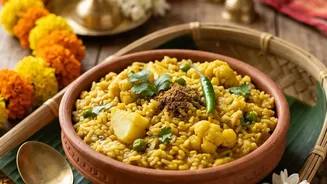
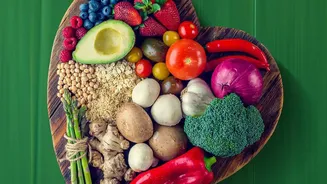
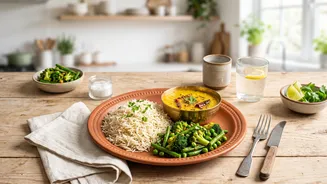
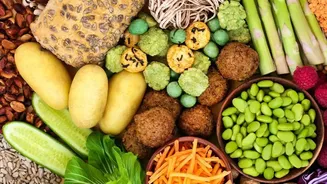
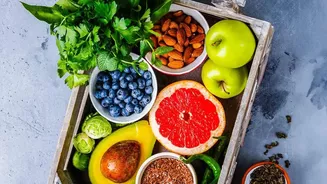
After days of feasting on processed sweets and fried snacks, your body craves nutrients. Shift your focus to whole, unprocessed foods. Fill your plate with fibre-rich vegetables, seasonal fruits, and whole grains. These foods aid digestion, help manage cholesterol, and restore balance to your gut. Simple, home-cooked meals like dal, khichdi, or chapati with sabji are gentle on your stomach and provide essential nutrients without the excess fats and sugars found in festive fare. Including probiotic-rich foods like yogurt can also help restore healthy gut bacteria after a period of rich eating.
Re_establish a Consistent Meal Schedule
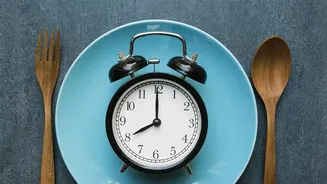
Late_night parties and irregular eating times during Diwali can throw your body's internal clock, or circadian rhythm, out of sync. Getting back to a regular eating schedule is key to resetting it. Try to eat your meals at roughly the same time each day. This helps regulate your hunger hormones, improves digestion, and can even lead to better sleep. A consistent routine signals to your body when to expect food, making it less likely to send out powerful craving signals at odd hours. This simple act of structuring your meals can have a profound impact on your energy levels and overall sense of well_being.
Practice Mindful Eating and Portion Control
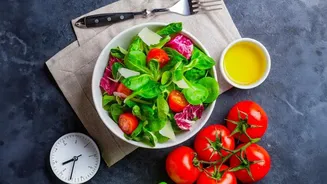
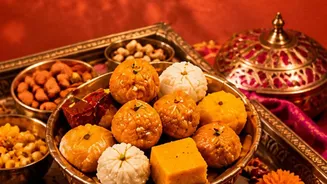
You don't need to completely banish leftover Diwali treats, but moderation is essential. Practicing portion control allows you to enjoy a small piece of mithai without derailing your health goals. One effective strategy is to fill most of your plate with healthy options like salads and vegetables before adding a small serving of a richer dish. Furthermore, pay attention to your body's hunger and fullness cues—a practice known as mindful eating. Eat slowly, savour each bite, and stop when you feel comfortably satisfied, not stuffed. This helps prevent overeating and improves your relationship with food.
Incorporate Gentle Physical Activity
You don't need to jump into strenuous workouts immediately. Gentle physical activity can significantly aid your recovery. A simple walk for 15–20 minutes after meals can help with digestion and regulate blood sugar. Light activities like walking, stretching, or yoga help reduce sluggishness, improve circulation, and support the body’s natural detoxification processes by removing toxins through perspiration. Incorporating movement into your daily routine boosts energy levels and enhances metabolism, helping your body recover more quickly from the effects of festive indulgence.