






Meet the New Roadside Assistance of Space
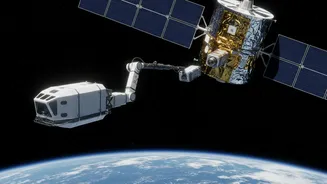
On July 21, 2026, a SpaceX Falcon 9 rocket launched from Cape Canaveral carrying a groundbreaking piece of technology: Northrop Grumman's Mission Robotic Vehicle, or MRV. This minivan-sized spacecraft is essentially a robotic mechanic designed for the
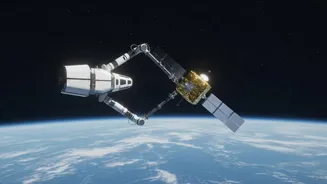
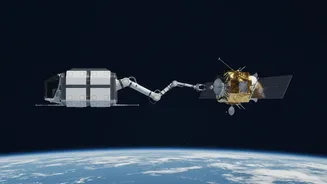
harsh environment of space. Developed by Northrop Grumman's subsidiary, SpaceLogistics, the MRV is not just a single-purpose tool; it's a versatile platform equipped with two dexterous robotic arms developed in partnership with DARPA and the U.S. Naval Research Laboratory. These arms can perform incredibly precise tasks, from inspections and repairs to installing new hardware on satellites that were never designed to be touched after they were launched.
What Are These Life-Extending Pods?
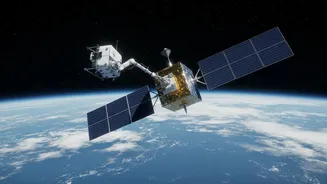
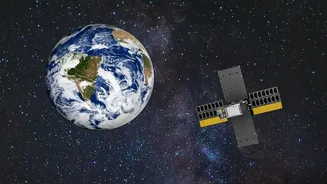
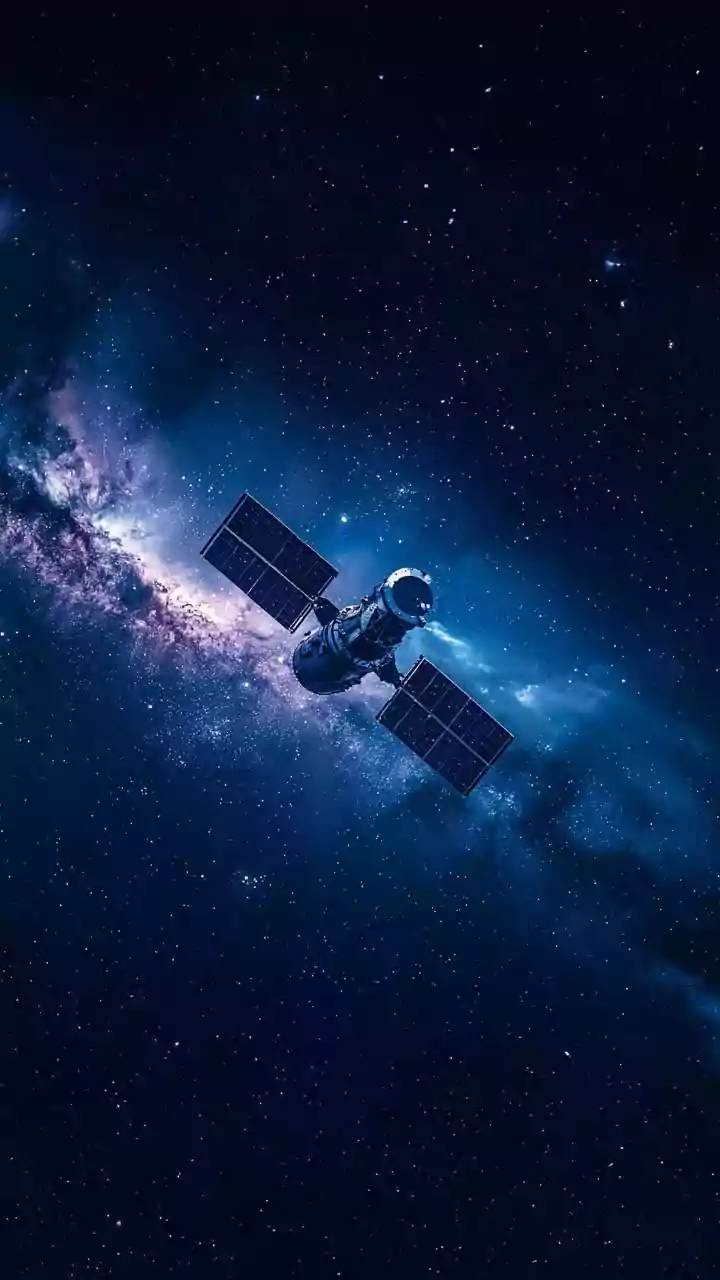
Traveling with the MRV on its recent launch were three Mission Extension Pods (MEPs). Think of these pods as external jetpacks for aging satellites. Many satellites in geosynchronous orbit, about 36,000 kilometers above Earth, are perfectly functional but are forced into retirement simply because they’ve run out of the propellant needed for tiny orbital adjustments. The MEPs are compact propulsion units that the MRV's robotic arms will physically attach to a client's satellite. Once installed, the pod takes over the station-keeping duties, giving the host satellite up to six or eight more years of operational life. The first customers for this service include major satellite operators like Optus and SES.
A Big Shift in the Economics of Space
This technology represents a fundamental shift from a disposable to a sustainable model for space infrastructure. Extending the life of a satellite for six years for a fraction of the cost of building and launching a new one is a powerful economic incentive. This is the next step in a proven business model for Northrop Grumman. The company has already demonstrated the viability of in-orbit servicing with its earlier Mission Extension Vehicles (MEVs), which have been providing life-extension services since 2020 by docking with client satellites. The new MRV and MEP system is a more advanced, flexible, and cost-effective solution, allowing one robotic vehicle to service multiple clients instead of remaining attached to a single one.
More Than Just a Refuel
While providing propulsion is the immediate mission, the MRV's capabilities point toward a much broader future for the in-orbit economy. The same robotic technology used to attach pods could one day be used for much more complex tasks. This includes detailed inspections, repairing damaged components like solar panels, upgrading hardware, and even helping to assemble larger structures in orbit. Furthermore, the MRV can help address the growing problem of space debris by capturing and moving defunct satellites to safer orbits. The U.S. Space Force has shown significant interest in these capabilities, which can enhance the resilience and longevity of both commercial and government space assets.