






The Scale of the Emergency
The situation escalated rapidly over the past week, with the India Meteorological Department (IMD) issuing red and orange alerts for multiple districts. A red alert, indicating the potential for extremely heavy rainfall exceeding 20 cm in 24 hours, was
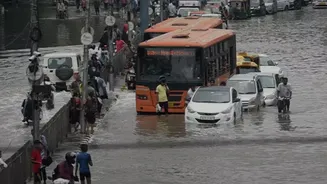
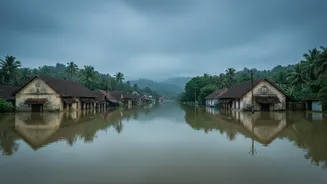
declared for eight districts, including Idukki, Pathanamthitta, Kozhikode, and Wayanad. This deluge has caused many of Kerala’s major rivers—such as the Pamba, Manimala, and Meenachil—to overflow their banks, inundating low-lying towns and agricultural lands. The relentless rain has saturated the fragile slopes of the Western Ghats, leading to a series of devastating landslides, particularly in the high-range districts of Idukki and Kottayam.
The Human Cost
The human toll of the disaster has been significant and continues to climb. As of August 5, state officials confirmed that 26 people have lost their lives in rain-related incidents, with four others still reported as missing. In response to the crisis, the state government has established a robust network of relief camps. According to Chief Minister V.D. Satheesan, 462 relief camps are currently operating across the state, providing shelter to 27,048 people displaced by the floods and landslides. The highest concentration of these camps is in the worst-affected districts of Pathanamthitta, Kottayam, and Alappuzha, which are grappling with severe waterlogging and displacement.
Rescue and Relief Operations
State and national agencies have mounted a massive response. Multiple teams from the National Disaster Response Force (NDRF) have been deployed to the hardest-hit areas, conducting rescue operations with boats to evacuate families stranded in inundated homes. The state government is coordinating efforts, with helicopters on standby for aerial support and the distribution of food packets to isolated areas. Chief Minister Satheesan has announced a comprehensive relief package, including financial assistance of ₹8 lakh for the families of each deceased person. The government will also provide funds for families to clean their flood-damaged homes and has announced a soft loan scheme to help small businesses recover.
A Familiar, Intensifying Challenge
For many in Kerala, this event brings back painful memories of the catastrophic floods of 2018. Experts suggest that while disaster response and early warning systems have improved since then, the state remains highly vulnerable. This year's deluge highlights a disturbing pattern of increasingly intense and erratic monsoon seasons, which many scientists and environmentalists attribute to the combined effects of climate change and unsustainable land use. Decades of ecological degradation in the Western Ghats have made the region more susceptible to landslides. The recurring nature of these extreme weather events underscores the urgent need for long-term strategies focused on climate resilience and ecological preservation, in addition to immediate disaster management.