




Looking for a workout that builds cardio, sharpens focus, and improves coordination without any equipment? Shadow boxing is your answer. This full-body exercise is more than just punching air; it’s a skill-building discipline. The secret to unlocking
its benefits lies where most people don’t look: the warm-up and cool-down.
Why Shadow Box?
Shadow boxing is a foundational practice in boxing for a reason. It’s a powerful tool for developing technique, building muscle memory, and improving footwork and balance. As a workout, it offers incredible cardiovascular benefits, getting your heart rate up quickly and building endurance. It engages your entire body, from your legs and core generating power to your shoulders and arms delivering punches. This coordination of movement enhances your balance and proprioception—your body's awareness of its position in space. Beyond the physical, it’s a mental exercise. Visualizing an opponent and reacting to their imagined movements sharpens focus and concentration, making it a stress-relieving activity.
The Non-Negotiable Warm-Up
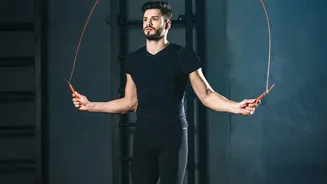
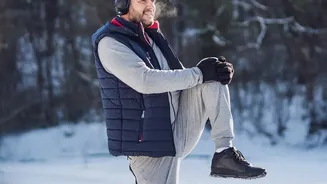
Jumping into a workout with cold muscles is a recipe for injury, and shadow boxing is no exception. A proper warm-up, lasting 10 to 15 minutes, prepares your body for the explosive movements to come by increasing blood flow and priming your nervous system. Focus on dynamic stretches—active movements that take your joints and muscles through their full range of motion. Static stretching, or holding a stretch for an extended period, is best saved for your cool-down as it can reduce power output if done before a workout. Your warm-up should start with 2-5 minutes of light cardio like jumping jacks or jump rope. Follow this with dynamic stretches such as arm circles, torso twists, leg swings, and hip circles to activate the key areas used in boxing: the shoulders, hips, and core.
Your Shadow Boxing Workout
Once warm, you can begin your main workout. For beginners, focus on form over speed. Find a space where you can move freely, ideally in front of a mirror to check your technique. Start with your basic boxing stance: feet shoulder-width apart, knees slightly bent, and hands up to protect your face. Practice the four fundamental punches: the jab (a quick, straight punch with your lead hand), the cross (a powerful, straight punch with your rear hand), the hook (a semi-circular punch), and the uppercut (an upward punch). Exhale sharply with every punch. Don't just stand still; footwork is crucial. Practice moving forward, backward, and side-to-side while maintaining your stance. String together simple combinations, like a jab-cross (1-2), and focus on fully extending your punches. Start with a few minutes of slow, deliberate movements, then gradually increase your pace over several rounds.
The Crucial Cool_Down
Just as important as the warm_up is the cool_down. After your last round, don't just stop. Gradually bring your heart rate down with 3–5 minutes of light movement, like slow–paced shadow boxing or light jogging in place. This helps your body transition back to a resting state and can reduce muscle soreness. Now is the time for static stretching. Hold each stretch for 20–30 seconds without bouncing, focusing on the muscles you've just worked. Key stretches for after a boxing workout include a doorway chest stretch, cross–body shoulder pulls, and tricep stretches. Don't forget your lower body; stretches for your hip flexors, hamstrings, and calves are essential for maintaining mobility and preventing tightness.
Common Mistakes to Avoid
To get the most out of your shadow boxing, be mindful of common beginner errors. Many people tend to hold their breath or become too tense; remember to breathe and stay relaxed to improve speed and efficiency. Another frequent mistake is neglecting footwork and head movement—shadow boxing should be a full–body activity, not just an arm workout. Avoid only throwing punches without imagining a defense; practice slipping and rolling as if avoiding an opponent's attack. Finally, ensure you are fully extending your punches rather than cutting them short, which helps build power and proper technique.