





What is a Monsoon Timetable?
A monsoon timetable is a special, temporary schedule implemented by Indian Railways on specific routes prone to weather-related risks during the rainy season. For 2026, this schedule is active on key corridors like the Konkan Railway from mid-June to late October.
It's not a response to delays, but a proactive measure. The goal is to enhance passenger safety by anticipating the challenges posed by heavy rainfall, including landslides, waterlogging on tracks, and reduced visibility in hilly terrains. This involves a comprehensive plan that changes train departure times, slows down trains, and sometimes even reduces the frequency of services on certain days.
Putting Safety Over Speed
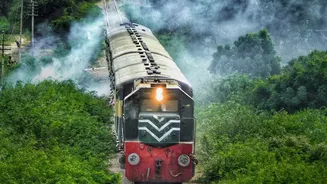
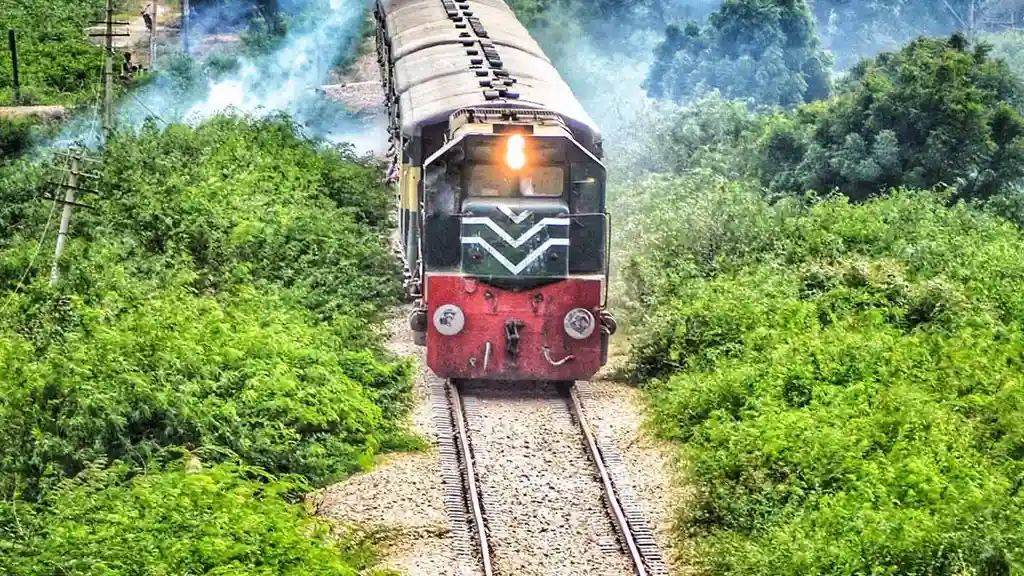
The primary reason for these changes is the treacherous conditions created by the monsoon. The Konkan route, for example, winds through the Western Ghats, an area known for its stunning beauty but also for landslides and flash floods. To mitigate these risks, trains are mandated to run at significantly lower speeds. Speeds that can be as high as 110-120 km/h in the dry season are often capped at 75-90 km/h, and can be further reduced to 40 km/h in sections with extremely heavy rain and poor visibility. This is a crucial safety protocol that gives loco pilots more time to react to potential obstructions on the track. In addition to speed restrictions, the railways deploy extensive patrolling teams, use advanced technology like water-level monitors on bridges, and keep emergency relief trains on standby.
The Konkan Railway: A Case Study
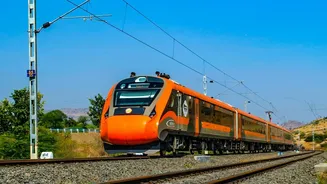
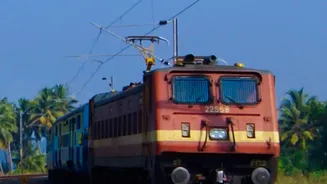
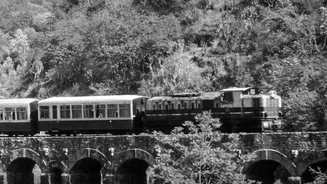
The Konkan Railway, connecting Maharashtra, Goa, and Karnataka, is the most prominent example of the monsoon schedule in action. For 2026, the timetable is in effect from June 15 to October 20. During this period, dozens of trains, including premium services like the Vande Bharat, Tejas, and Rajdhani Express, see their schedules completely reworked. For instance, a journey that usually takes 7.5 hours on the Vande Bharat Express can be extended to 10 hours. To compensate, a train's departure might be moved several hours earlier. In some cases, the frequency is also reduced; the Mumbai-Madgaon Vande Bharat Express, which typically runs six days a week, operates on a tri-weekly schedule during the monsoon.
More Than Just a Delay
The impact on a passenger's 'value' proposition goes beyond just a longer travel time. An overnight journey that perfectly aligns with a hotel check-in might now arrive hours later, wasting precious vacation time. A connection that was once reliable might now be a risky bet. The extended journey times can mean the difference between reaching a destination in the morning versus late afternoon, potentially requiring an extra day of leave or an additional night's accommodation. These changes fundamentally alter the convenience and cost-effectiveness of a train connection, turning what was once an efficient choice into one that requires more careful planning and flexibility.
How to Plan Your Monsoon Travel
If you're travelling on an affected route during the monsoon, planning is key. The first step is to always check for the revised monsoon timings before booking and again before starting your journey. The official National Train Enquiry System (NTES) website and app are the most reliable sources for real-time train status. Be prepared for journeys to take longer and build buffer time into your itinerary, especially if you have connecting trains or flights. Pack essentials like a raincoat, quick-drying clothes, a power bank, and some non-perishable snacks. While the monsoon timetable can seem inconvenient, it's a vital system that allows millions to travel safely through some of India's most challenging and beautiful landscapes during its most dramatic season.