



The Art of Finding Centre
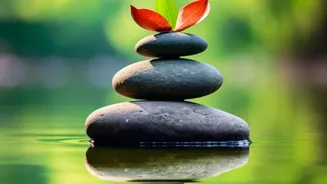
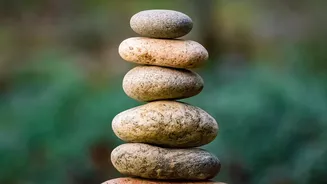
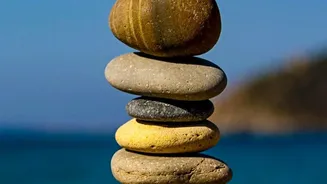
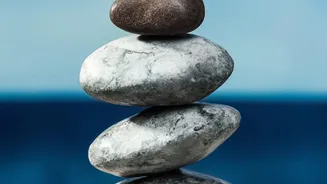
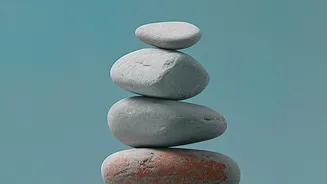
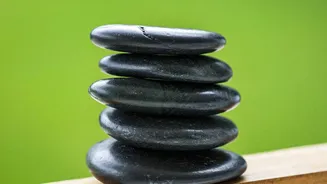
At its core, stone balancing is the practice of stacking rocks in various positions without any support other than gravity. Unlike simply piling stones, this art form involves finding the unique balance point, or centre of gravity, for each rock. The
resulting sculptures can seem to defy physics, creating captivating and temporary installations in nature. Practitioners describe it as a blend of art and physics, requiring a deep connection with the natural elements. This activity, sometimes called stone stacking or cairn building, is an ancient practice found across cultures, often used for navigation or ceremony. Today, it's embraced as a meditative activity that brings a person fully into the present moment.
A Workout for Your Hands and Brain
The headline claim is not an exaggeration; stone balancing is a fantastic activity for developing fine motor control. Fine motor skills involve the use of small muscles in our hands, fingers, and wrists for precise movements. The delicate act of picking up, positioning, and making micro-adjustments to each stone requires immense hand-eye coordination and dexterity. Each placement is a lesson in control and precision. As you feel for the stone's balance point, you are training your fingers to sense subtle shifts and respond with tiny, controlled movements. Over time, this practice enhances finger control, hand strength, and spatial awareness, skills that are transferable to everyday tasks like writing, typing, or even playing a musical instrument.
Finding Stillness in the Stack
Beyond the physical benefits, stone balancing is a powerful tool for sharpening focus. The level of concentration required is so intense that it can induce a 'flow state'—a meditative condition where you are fully immersed in the activity. Distractions fade away as your entire attention is dedicated to the feel of the stone in your hand and the single point of balance. This process calms the mind, reduces stress, and fosters a sense of inner peace. Practitioners often report that their mind becomes quiet, and they achieve a state of deep stillness. The very act of balancing is a practice in patience and perseverance; stones will inevitably tumble, teaching you to let go of frustration and begin again.
Benefits Beyond the Balance
The rewards of stone balancing extend into other areas of life. The activity is an excellent exercise in problem-solving. Each new stack is a unique puzzle, forcing you to think creatively and experiment with different combinations of shapes and weights to find a stable structure. It also deepens your connection with nature. The process involves being outdoors, carefully observing the materials provided by the environment, and engaging with them in a respectful way. While it may seem stationary, the act of searching for the perfect stones encourages light physical activity, like walking along a riverbed or beach. Finally, it teaches a profound lesson in impermanence. A sculpture that took hours to create can be brought down by a gust of wind, reminding us to appreciate the beauty of the present moment.
Your First Steps in Stone Balancing
Getting started is simpler than you might think. All you need is a collection of stones and a bit of patience. Look for stones in natural settings like riverbeds or beaches, ensuring you are in an area where moving rocks is permitted. Gather a variety of shapes and sizes. For your first attempt, start small. Try balancing one longish, rounded rock on a stable base. Feel for a small depression on the base rock. Place your chosen stone vertically into it and gently feel which way it wants to fall, subtly tilting it in the opposite direction until you sense a point of stability. A key technique is to find at least three points of contact to create a stable 'tripod' base. The goal isn't to build a tall tower immediately, but to master the feeling of a single rock finding its quiet centre.