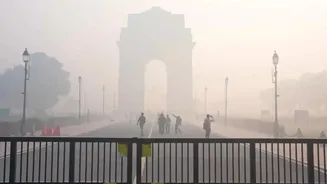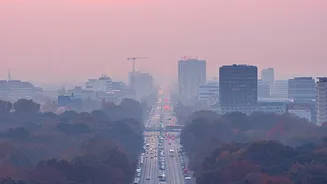






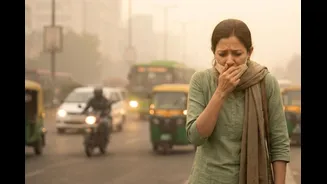

As a thick blanket of smog settles over Delhi, the familiar scratchy throat and persistent cough have returned. This isn't just a minor discomfort; it's a signal from your body. Here is some practical advice to protect yourself and ease irritation.
Why Smog Irritates Your Throat
Delhi's
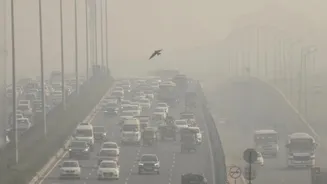
winter air is a toxic mix of pollutants. The primary culprits are tiny particulate matter known as PM2.5 and PM10, which come from vehicle exhaust, construction dust, and stubble burning. These particles are so small they can bypass your body's natural defenses and travel deep into your respiratory system. When you inhale this polluted air, these jagged particles act like sandpaper on the delicate, moist lining of your throat. At the same time, toxic gases like Nitrogen Dioxide (NO2) and Sulphur Dioxide (SO2) dissolve in the moisture of your throat, creating a mild chemical irritation. This combination of physical abrasion and chemical assault leads to inflammation, dryness, a persistent cough, and the all-too-familiar sore, scratchy feeling.
Fortify Your Home: Create a Clean Air Zone
Since you spend a significant amount of time indoors, turning your home into a sanctuary from pollution is crucial. Keep windows and doors closed, especially during the early morning and late evening when pollution levels are typically highest. An air purifier with a High-Efficiency Particulate Air (HEPA) filter is no longer a luxury but a near-necessity in Delhi; it is highly effective at capturing tiny PM2.5 particles. Place one in your bedroom to ensure you breathe cleaner air while you sleep, allowing your throat and lungs to recover. Additionally, avoid dry sweeping, which kicks up settled dust. Instead, use a wet mop to clean floors. Heaters can dry out the air, worsening throat sensitivity, so using a humidifier can help maintain moisture levels between 30-50% for better respiratory comfort.
Navigating the Outdoors: Essential Precautions
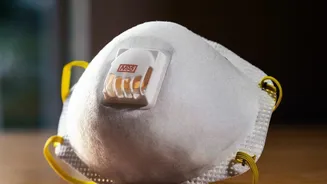
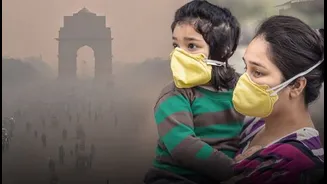
When stepping outside is unavoidable, taking the right precautions can significantly reduce your exposure. First, always check the daily Air Quality Index (AQI). On days when the AQI is 'Very Poor' or 'Severe', limit your time outdoors as much as possible. Ordinary cloth or surgical masks offer little protection against PM2.5 particles. It is essential to wear a well-fitting N95 or N99 mask, which can filter out at least 95% of these harmful fine particles. Ensure the mask creates a snug seal around your nose and mouth with no gaps. Avoid strenuous exercise like running or cycling outdoors, as this increases the rate at which you inhale pollutants. If you must exercise, shift your routine indoors or wait for the afternoon when pollution levels sometimes dip.
Soothing Remedies and Dietary Support
If your throat is already feeling the effects of the smog, several home remedies can provide relief. Staying hydrated is key; drink plenty of warm water, herbal teas, or soups throughout the day to keep your throat moist and help thin out mucus. A warm saltwater gargle can physically wash away irritants and reduce inflammation. Sipping on a mix of honey and warm water or a ginger tulsi tea can also be very soothing, as these ingredients have natural antiinflammatory and antimicrobial properties. Foods rich in antioxidants and Vitamin C can help support your body's immune response. After returning from outside, it's a good practice to wash your face and hands, and even gargle to remove any settled particles.
When to Consult a Doctor
While most pollutionrelated throat irritation is temporary, it's important to know when to seek medical advice. A sore throat from pollution is typically not accompanied by a fever or body aches, which are more common with viral or bacterial infections. However, if your symptoms are severe, persist for more than a few days despite selfcare, or are accompanied by chest tightness, difficulty breathing, or rapid heartbeat, you should consult a doctor immediately. People with preexisting conditions like asthma, heart disease, or other respiratory illnesses are particularly vulnerable and should be extra vigilant. Do not ignore worsening symptoms, as they can be a sign of a more serious respiratory issue triggered by the pollution.