




Understanding the New Visa-Free Rule
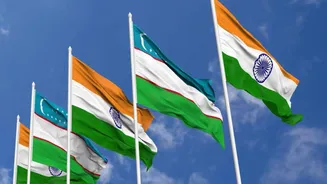
In a significant move to boost tourism and strengthen ties, Uzbekistan has introduced a visa-free regime for Indian passport holders. This new policy allows Indians to enter and stay in the country for up to 30 days without needing to apply for a visa in advance.
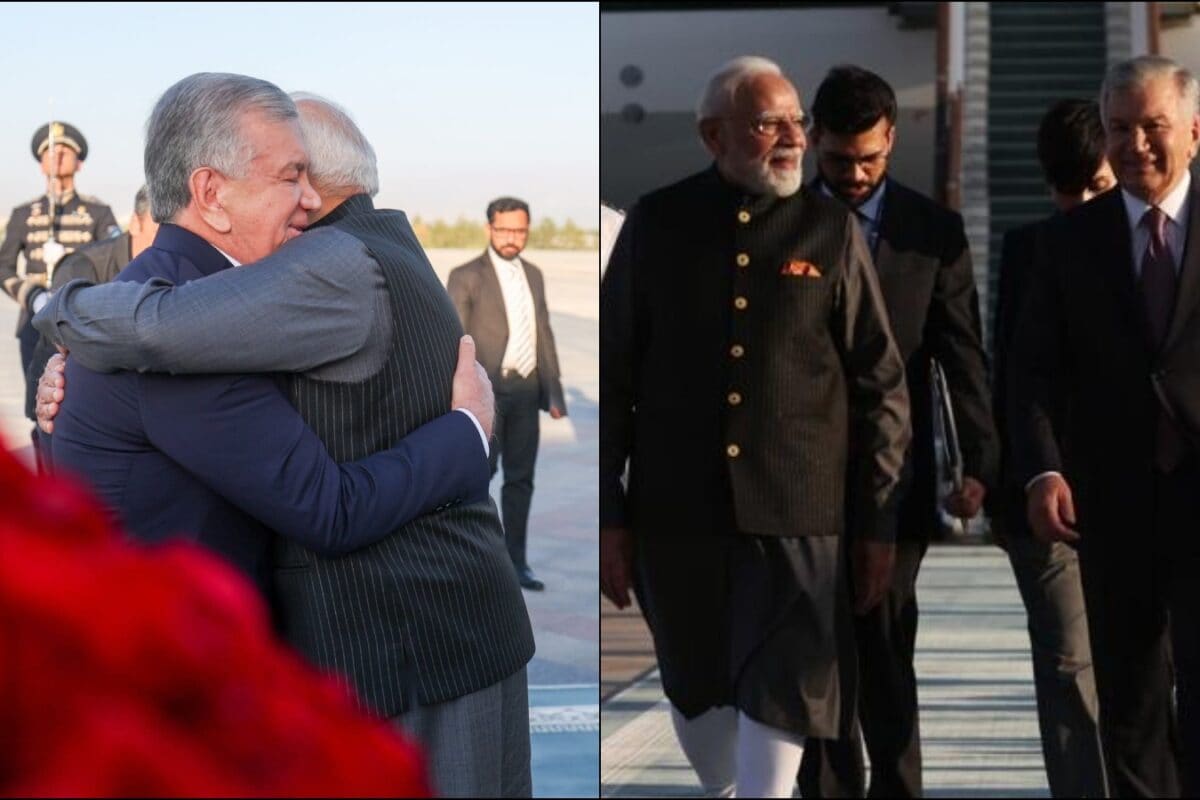
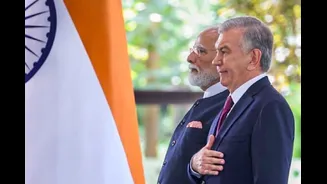
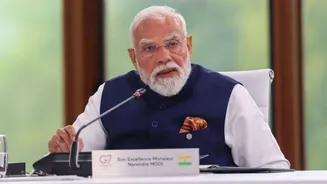
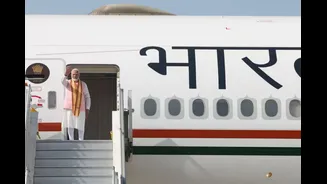
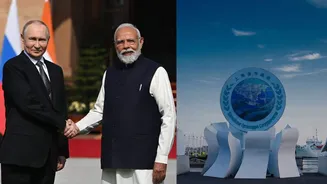
Previously, Indian travellers had to obtain an electronic visa (e-visa) online before their trip, which involved an application process and a fee. The announcement was made during a visit by Indian Prime Minister Narendra Modi to Tashkent, with the stated aim of improving people-to-people connections and business exchanges between the two nations. This removes a key step in travel planning, making spontaneous trips to the famed Silk Road cities a much simpler reality.
What You Need to Enter Uzbekistan
While a visa is no longer required for stays up to 30 days, travellers should still be prepared with the right documents for a smooth entry. It is crucial to check for the official start date and final implementation details before making non-refundable bookings. Generally, you will be expected to present a valid Indian passport with at least six months of validity remaining from your date of entry. Immigration officials will also likely ask for proof of onward or return travel, such as a confirmed flight ticket, and details of your accommodation, like hotel bookings. Having these documents ready will help ensure a hassle-free arrival at the airport.
Why Uzbekistan Should Be on Your Travel List
For centuries, Uzbekistan was the vibrant core of the Silk Road, a crossroads of empires, cultures, and trade. This history is etched into its magnificent cities. Imagine walking through Samarkand's Registan Square, a breathtaking ensemble of blue-tiled madrassas, or getting lost in the ancient, walled inner city of Khiva, a UNESCO World Heritage site that feels like an open-air museum. The country offers a unique blend of Persian, Mongol, and Soviet influences, visible in its architecture, art, and daily life. Beyond the history, travellers are often charmed by the warm hospitality of the Uzbek people, the bustling energy of its bazaars like Chorsu in Tashkent, and a culinary scene with familiar yet distinct flavours, such as the famous plov (a rice pilaf), samsa (baked pastries), and shashlik (grilled meats).
Planning Your 30-Day Itinerary
A 30-day window is ample time to explore the main highlights without rushing. Most travellers focus on the four key cities. Start in the modern capital, Tashkent, to see its blend of Soviet-era structures and ancient complexes. From there, high-speed trains can conveniently connect you to the legendary cities of Samarkand and Bukhara. Samarkand is home to architectural marvels like the Gur-e-Amir (mausoleum of Timur) and the Shah-i-Zinda necropolis. Bukhara’s old town is a labyrinth of mosques, madrassas, and covered markets, centered around the iconic Kalon Minaret. For a truly immersive experience, take a flight or a long-distance train to Khiva in the west, whose preserved city walls transport you back in time. The best times to visit are during the spring (April-May) and autumn (September-October) when the weather is pleasant for sightseeing.
Practical Tips for Indian Travellers
The local currency is the Uzbekistani Som (UZS). While credit cards are accepted in larger hotels and restaurants in Tashkent, it is essential to carry enough cash, especially in smaller towns and bazaars. Russian is widely spoken, particularly among the older generation, but you will find English speakers in major tourist hubs. Staying connected is relatively easy by purchasing a local SIM card at the airport. Uzbekistan is considered a very safe country for tourists, including solo female travellers, with low rates of petty crime. When visiting religious sites like mosques and mausoleums, remember to dress modestly, covering your shoulders and knees as a sign of respect.