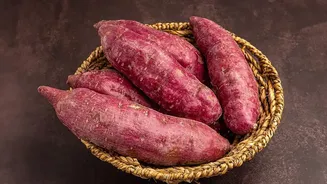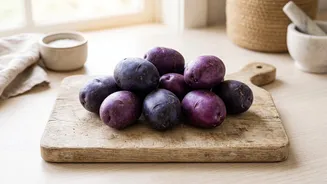







The humble potato is getting a vibrant makeover in India. Scientists have developed a new purple potato that’s not just visually stunning but also a nutritional powerhouse, all thanks to a group of powerful natural compounds called anthocyanins.
A New Star in Indian Agriculture
Scientists
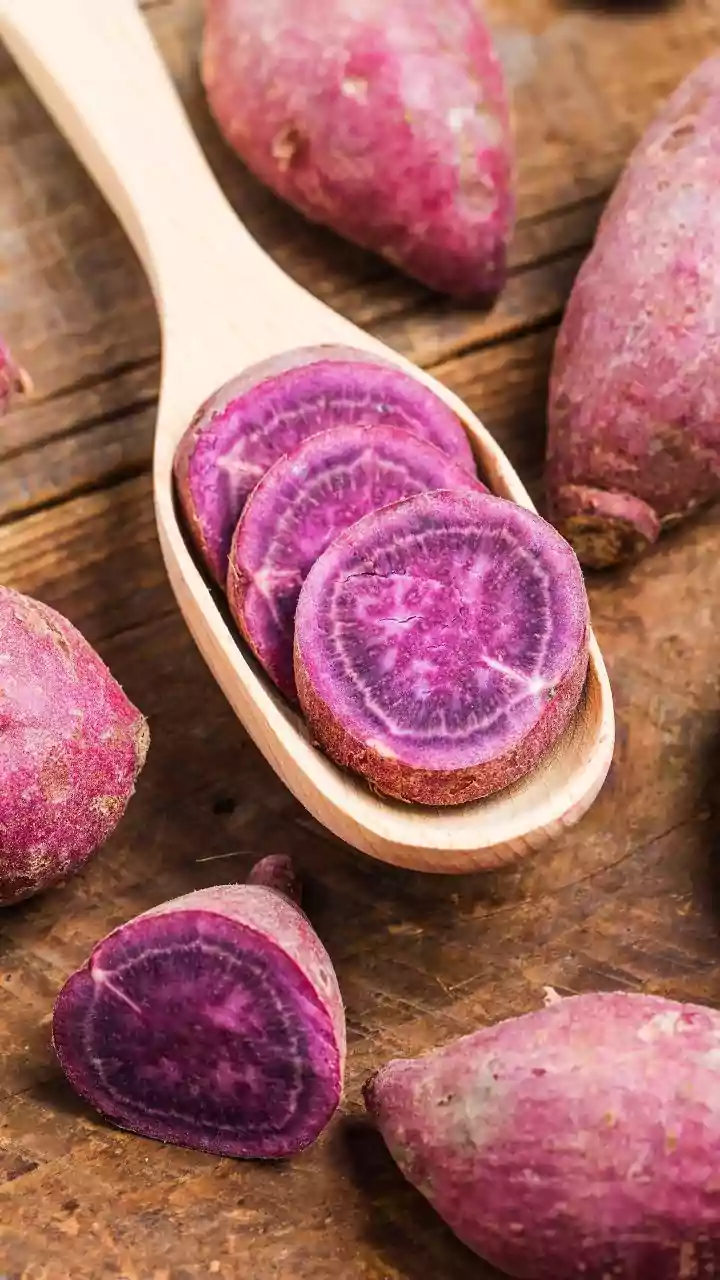
at the Indian Council of Agricultural Research–Central Potato Research Institute (ICAR-CPRI) have unveiled a remarkable new potato variety named 'Kufri Jamunia'. Officially released in 2024, this is not just any potato; it's a biofortified crop with deep purple skin and, uniquely, purple flesh throughout. This development follows earlier releases like 'Kufri Neelkanth' (2018), which had purple skin but cream-coloured flesh. Kufri Jamunia is the first purple-fleshed variety developed specifically for Indian soil and climate conditions, marking a significant step in the country's push towards creating more nutritious staple foods.
The Science Behind the Purple Hue
So, what gives this potato its striking colour? The secret lies in anthocyanins. These are natural pigments belonging to a class of compounds called flavonoids, which are responsible for the red, purple, and blue colours in many fruits and vegetables like blueberries, jamun, and purple cabbage. Think of anthocyanins as a plant's built-in defence mechanism. They act as potent antioxidants, protecting the plant's cells from damage caused by environmental stressors like sunlight. When we consume plants rich in these pigments, our bodies can also benefit from their protective properties. In Kufri Jamunia, the presence of anthocyanins throughout the flesh, not just the skin, makes it particularly nutrient-dense.
A Powerhouse of Health Benefits
The role of anthocyanins extends far beyond colour. As powerful antioxidants, they help neutralize harmful free radicals in the body, which are unstable molecules that can cause cell damage and contribute to chronic diseases and ageing. Studies have linked diets rich in anthocyanins to a range of health benefits, including improved heart health by helping with blood pressure stability and artery flexibility. They may also have anti-inflammatory properties, help regulate blood sugar levels, and support a healthy gut microbiome. Kufri Jamunia is also biofortified with higher levels of Vitamin C, iron, and zinc compared to conventional potatoes, making it a valuable tool in addressing micronutrient deficiencies, often called 'hidden hunger'.
From the Farm to Your Plate
Beyond its nutritional profile, Kufri Jamunia was developed to be a practical and beneficial crop for farmers. It is a high_yielding variety, producing between 32 to 35 tonnes per hectare under normal conditions, and it matures in about 90_100 days. It has been recommended for cultivation across the northern, central, and eastern plains of India, covering major potato_growing states. For consumers, its appeal is just as strong. It has a pleasant flavour and a mealy texture, making it versatile for cooking. It can be used in traditional curries and sabzis, but also opens the door for innovative products like colourful chips, nutrient_rich potato flour, and other value_added foods.