
The Classic Plate Wall
A gallery wall of decorative plates is a timeless way to fill a large or awkward space, like a dining room wall or the area above a sofa. The key is to plan your layout before making any holes. Start by tracing each plate onto kraft paper, cutting them
out, and taping the paper templates to the wall. This lets you experiment with different arrangements—a tight grid, a flowing organic shape, or a symmetrical cluster—without any commitment. Once you're happy with the design, you can use speciality plate hangers, which come in wire or adhesive disc styles, to securely mount them. For a cohesive look, stick to a colour scheme, such as classic blue and white, or mix various patterns for an eclectic, collected feel.
From Plate to Tiered Stand
Create an elegant, vintage-inspired stand for serving sweets or organising jewellery. This project requires just a couple of pretty plates in different sizes (a dinner plate and a smaller salad plate, for instance) and a candlestick or an old teacup. Simply use a strong adhesive like contact cement or epoxy to glue the candlestick between the two plates, ensuring the smaller plate is on top. This transforms mismatched or single heirloom plates into a functional and beautiful centerpiece for your dining table or a charming organiser for your dresser. It’s a wonderful way to keep beloved but underused dishes on display every day.
A New Life as Plant Saucers
Give your houseplants a decorative lift by using old saucers or small plates as drip trays. This simple swap adds an unexpected pop of colour and pattern beneath simple terracotta or ceramic pots. It's a practical way to protect your surfaces from water damage while incorporating the charm of vintage ironstone or patterned china into your green displays. Larger dinner plates or platters can work for bigger planters, making this an adaptable idea for both indoor and outdoor container gardens.
Turn Boards into Rustic Trays
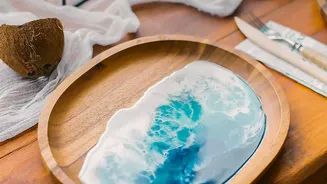
An old, worn cutting board has the perfect foundation for a rustic serving tray. Begin by giving the board a good cleaning and sanding if needed. You can leave the wood natural, apply a food-safe stain to deepen the colour, or even paint it. Then, attach a pair of cabinet handles or drawer pulls to the shorter ends of the board. Suddenly, what was once a simple chopping surface is now a stylish tray, perfect for serving drinks, organising items on a coffee table, or creating a base for a centerpiece.
Create a Kitchen Pegboard Hanger
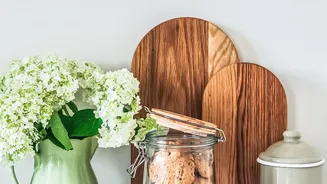
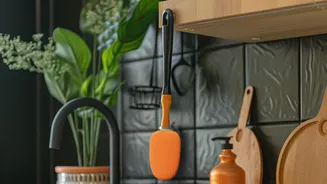
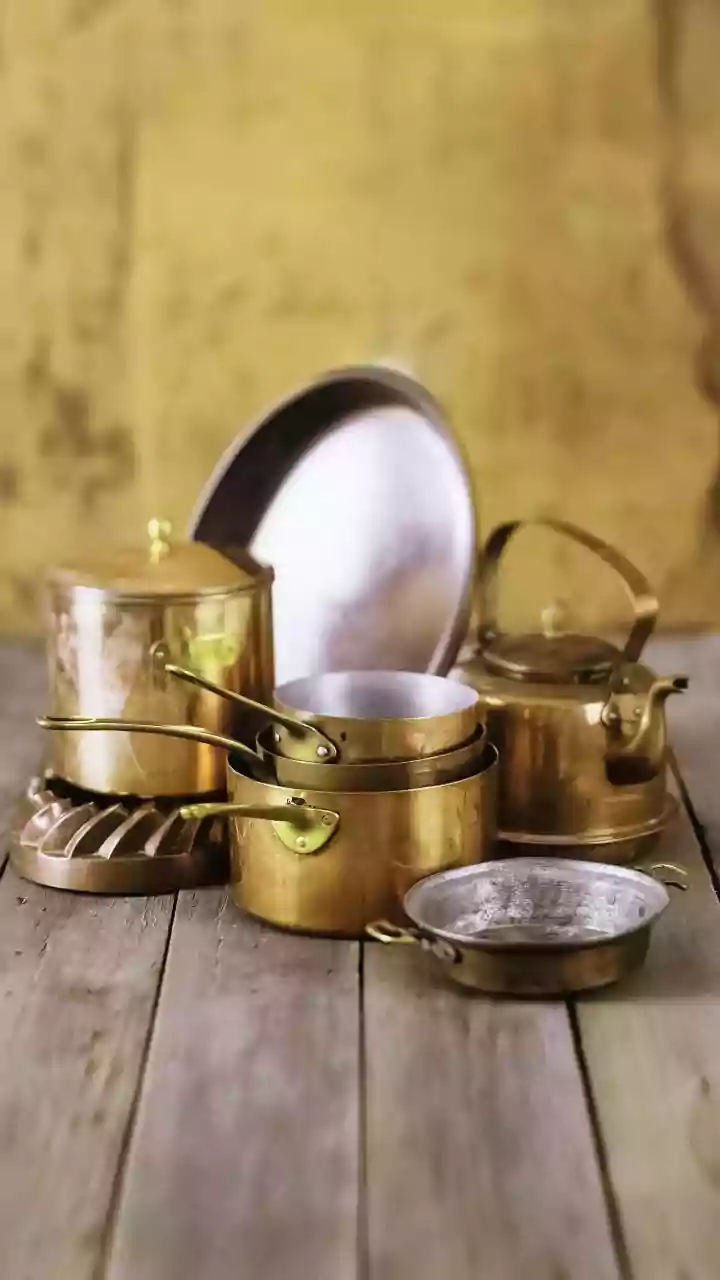
Cutting boards, especially those with a hole in the handle, are perfect for hanging. Mount a simple peg rail on your kitchen wall and use it to display a collection of boards in various shapes and sizes. This not only adds a warm, farmhouse feel to the kitchen but also keeps your boards within easy reach. You can mix in other kitchen tools like copper pots or bunches of dried herbs for a layered, visually interesting display that is both decorative and highly functional.
Craft a Unique iPad Stand or Cookbook Holder
A sturdy cutting board can be easily converted into a stand for your tablet or a favourite cookbook, making it easier to follow recipes in the kitchen. For a simple no-tools version, just use a small tabletop easel to prop up the board. For a more permanent solution, you can attach a small ledge or scrabble tile holder near the bottom of the board to hold the device or book in place. You can even personalise it by painting the board with chalkboard paint to jot down notes or conversions.
Design a Wall Art Statement
Think of an old wooden board as a blank canvas. You can transform it into a piece of personalised wall art. Stencil a meaningful word like “Grateful” or your family’s surname onto the surface. You can also paint it with a simple design, like herbs or a floral motif. Finish it by wrapping the handle in twine and attaching a small sprig of faux greenery with hot glue for a final decorative touch. Leaned against a backsplash or hung on a wall, it becomes a piece of art that adds character and warmth.