



The 'Electric First' Spearhead
BMW M is making it clear that its future begins with electrification. The brand's next wave of high-performance models will be headlined by fully electric vehicles built on its next-generation 'Neue Klasse' platform. This isn't just about fitting batteries
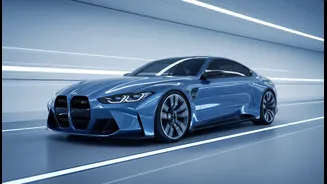
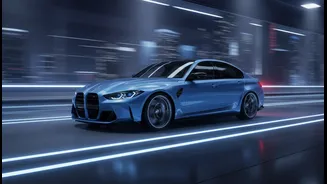
into existing cars; it's a ground-up reinvention. The flagship of this charge is expected to be a fully electric performance sedan, widely seen as the successor to the iconic M3. This new model will feature a radical quad-motor setup, with one electric motor dedicated to each wheel. This layout promises not only immense power, with some estimates approaching 1,000 horsepower, but also an unprecedented level of dynamic control. This focus ensures that the first impression of M's new era is one of overwhelming technological superiority and performance.
The 'Heart of Joy' Technology
At the core of this electric push is a new, in-house developed central computer that engineers have nicknamed the 'Heart of Joy'. This single, integrated control unit manages the powertrain, braking, and stability systems with a speed reportedly ten times faster than previous systems. For a quad-motor car, this is crucial. The 'Heart of Joy' can distribute torque to each wheel individually and in real-time, allowing for a level of agility and cornering precision that's impossible with mechanical differentials. This software-driven approach is how BMW intends to preserve, and even enhance, the classic M driving feel — that sense of precision, agility, and driver connection — in a world without engine noise and manual gearshifts.
Why It's 'Not Electric Only'
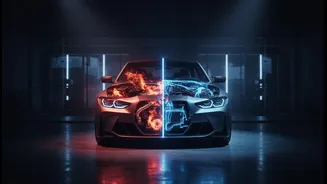
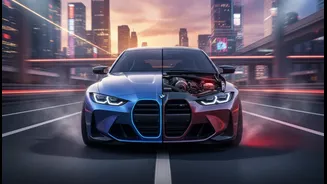
Despite the heavy investment in an electric future, BMW M CEO Frank van Meel and other executives have repeatedly stated that the internal combustion engine (ICE) is not disappearing overnight. The company is pursuing a dual-track strategy, offering customers a choice of powertrains. For example, the next-generation M3 is expected to launch first as an EV in 2027, but will be followed by a petrol-powered version a year later. This approach acknowledges a simple reality: global markets and customer preferences are transitioning at different speeds. While some markets are rapidly adopting EVs, others still have a strong appetite for traditional high-performance combustion engines. By offering both, BMW can satisfy its global customer base and navigate varying regional regulations without alienating its loyal fanbase.
The Role of Hybrids and Combustion
The "Not Electric Only" philosophy extends to plug-in hybrids (PHEVs) and the continued development of petrol engines. The powerful BMW XM and the latest M5 both utilize hybrid powertrains, blending large combustion engines with electric motors. This strategy allows BMW to deliver massive performance figures while also complying with tightening emissions standards. It's a bridge technology that maintains the character of a large engine while introducing the benefits of electrification. Furthermore, the brand has confirmed it is updating its celebrated inline-six-cylinder engine to meet future emissions standards, ensuring it remains an option for as long as viable. This commitment suggests that for the foreseeable future, an M car's soul won't be defined by a single type of power source, but by the driving experience it delivers.