




Why Monsoon Is Tough on Produce
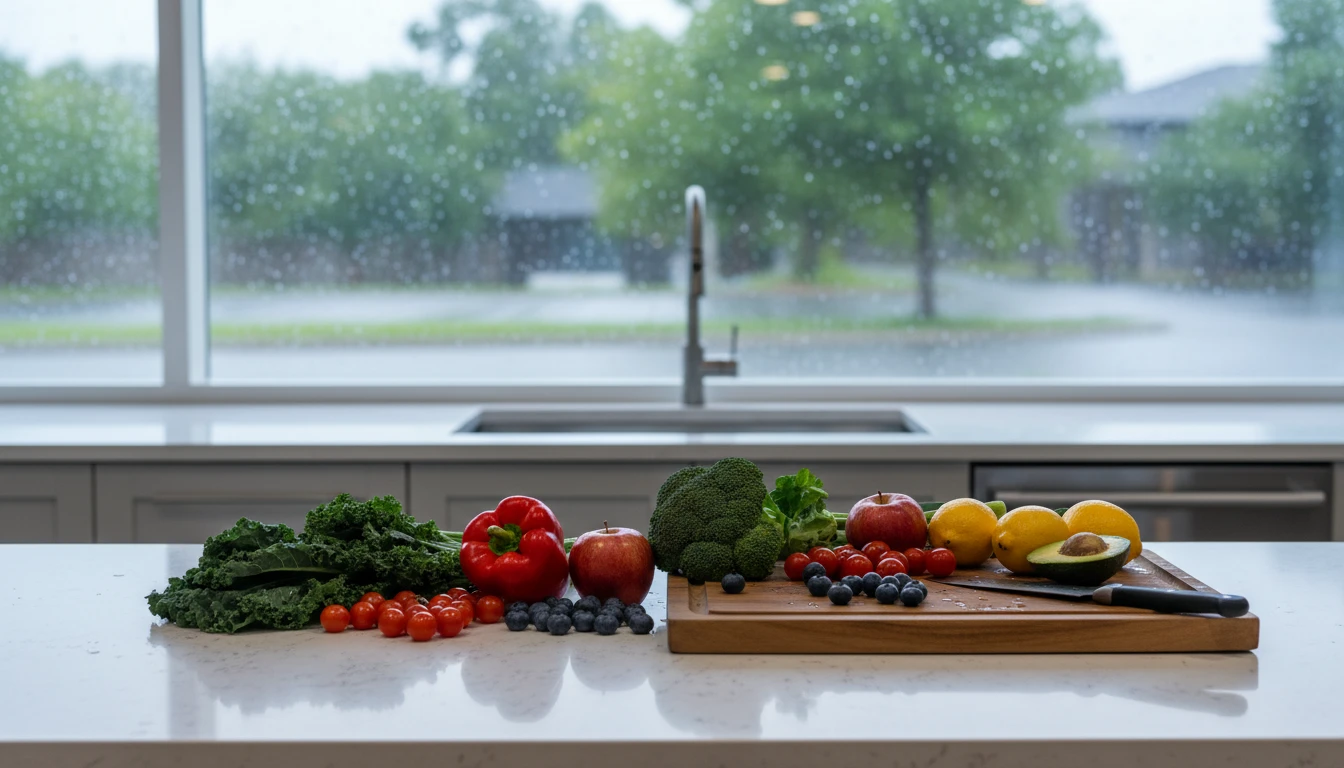
The magic of the monsoon—cool air, petrichor, and lush greenery—unfortunately, creates the perfect storm for food spoilage. The primary culprit is the combination of high humidity and ambient warmth. This moisture-rich environment is an ideal breeding
ground for microscopic organisms like bacteria and fungi, which cause produce to decay much faster than in drier seasons. Even the journey from the farm to the market can expose vegetables to excess water and contamination, making them more susceptible to rot by the time they reach your kitchen. Power outages, more frequent during this season, can also compromise refrigeration, accelerating spoilage.
The Telltale Signs of Spoilage
Your senses are your best defence against bad produce. Before buying or using any fruit or vegetable, give it a quick inspection. Look for a slimy film, which indicates bacterial growth. Visible mould—whether it appears as fuzzy white spots or black, green, or grey patches—is a clear sign to reject the item. An unpleasant, sour, or musty odour is another giveaway that the produce has started to turn. Other warning signs include unusual softness, wilting, bruises, or any form of water damage. Leafy greens are particularly notorious for trapping mud and moisture between their layers, so they require extra scrutiny.
Health Risks You Can't See
It might be tempting to just cut off the mouldy bit and use the rest, but this is a risky gamble. Mould has thread-like roots that can penetrate deep into the food, and where there's mould, harmful bacteria often grow alongside it. Some types of mould produce dangerous substances called mycotoxins, such as aflatoxin, which are toxic and can cause serious health issues, including liver damage, and cannot be destroyed by cooking. Consuming spoiled produce can lead to allergic reactions, respiratory problems, or foodborne illnesses with symptoms like nausea, vomiting, and diarrhoea.
Smart Shopping Strategies for the Season
Adjusting your shopping habits can make a big difference. During the monsoon, it's wiser to buy produce in smaller quantities more frequently, rather than stocking up for the week. This ensures you're always using the freshest items available. When at the market, choose vendors who maintain clean and hygienic conditions. Avoid pre-cut fruits and vegetables, as their exposed surfaces are highly susceptible to contamination in humid weather. Opt for seasonal monsoon vegetables like bottle gourd (lauki), bitter gourd (karela), and pointed gourd (parwal), as they are naturally hardier in these conditions.
Proper Storage at Home
Once you bring your produce home, proper storage is crucial. First, wash vegetables thoroughly under running water. For leafy greens, a soak in salted or vinegar water can help dislodge hidden contaminants. The most important step is to dry everything completely before storage, as moisture is the enemy. Store vegetables in breathable cotton or jute bags instead of plastic ones, which trap moisture and accelerate decay. Keep your fridge organized and avoid overcrowding to allow for proper air circulation, which helps maintain freshness. Fruits like bananas and apples release ethylene gas, which can speed up the ripening of other produce, so store them separately.