


India’s New Road Trip Obsession
When adventurers talk about epic Himalayan drives, the conversation usually gravitates towards the high-altitude deserts of Leh and Spiti. But whispers among seasoned travellers are turning into a roar, all pointing towards a specific stretch of road
in western Arunachal Pradesh. The route in question is the spectacular journey from the serene valley of Dirang, climbing towards Tawang and venturing further into the newly accessible Mago region. Travel creators and bikers are calling this seven-to-nine-hour drive one of Northeast India’s most rewarding experiences, a route that delivers the scale and drama of Ladakh while remaining a path less travelled. This is not just another mountain road; it's a journey through shifting landscapes, from lush valleys to snow-dusted peaks, that is quickly becoming a bucket-list contender.
The Ladakh Likeness
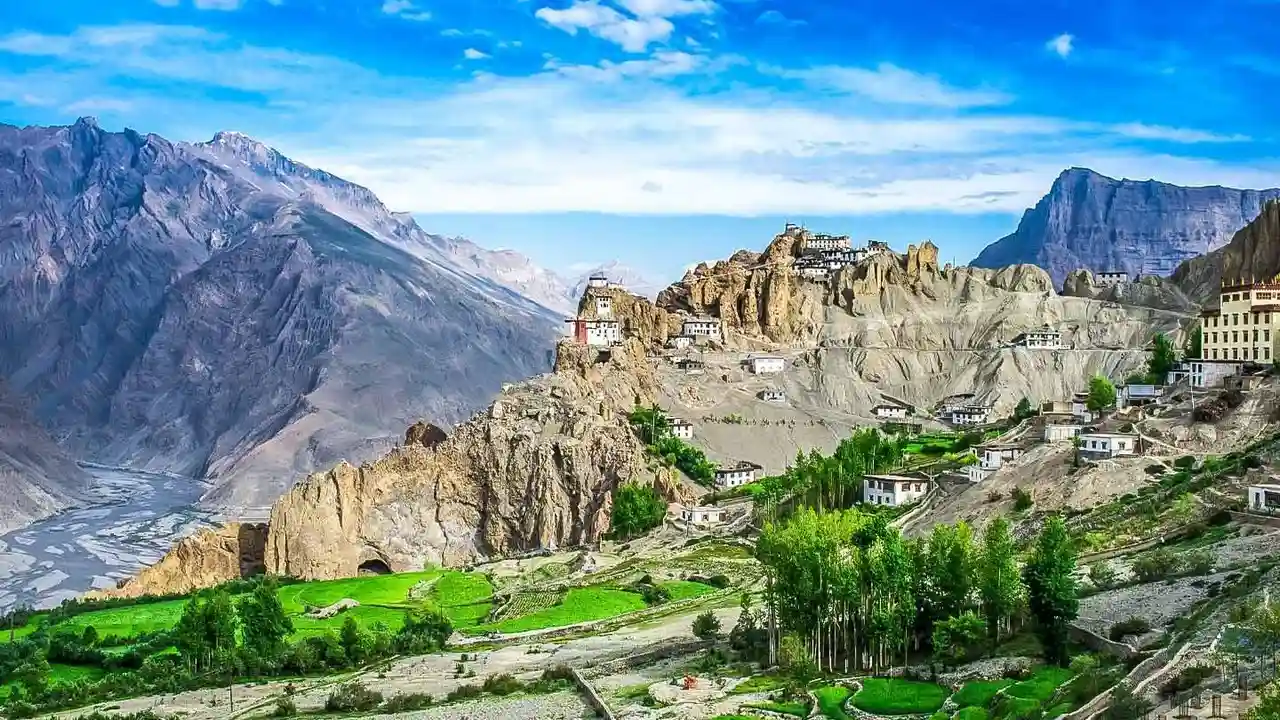
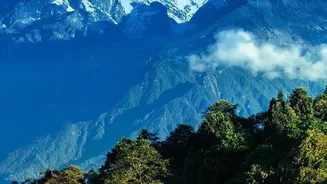
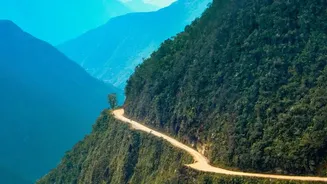
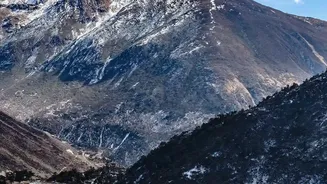
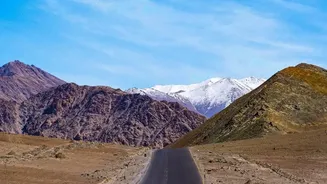
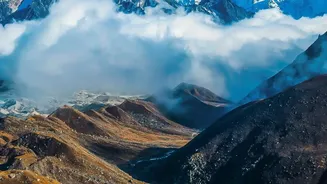
The comparisons to Ladakh are not without reason. The cornerstone of this likeness is the ascent to Sela Pass, which sits at an elevation of over 13,000 feet. Much like the iconic passes on the Manali-Leh highway, this route offers jaw-dropping vistas of a rugged, high-altitude world. Travellers are greeted by winding roads, stark mountain faces, and the crystal-clear Sela Lake shimmering near the summit. In the right season, the pass is blanketed in snow, creating a landscape that feels remote and powerfully raw. The sense of scale, the challenging hairpin bends, and the feeling of being on top of the world are all signatures of a classic Ladakh expedition. The journey onward to Mago often unfolds on smooth tarmac that carves through dramatic valleys, a section some have dubbed a 'biker's paradise' for its combination of thrilling roads and epic scenery.
A Soul Uniquely Arunachal's
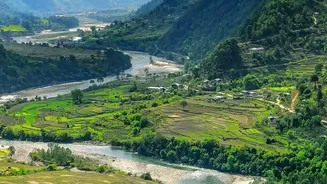
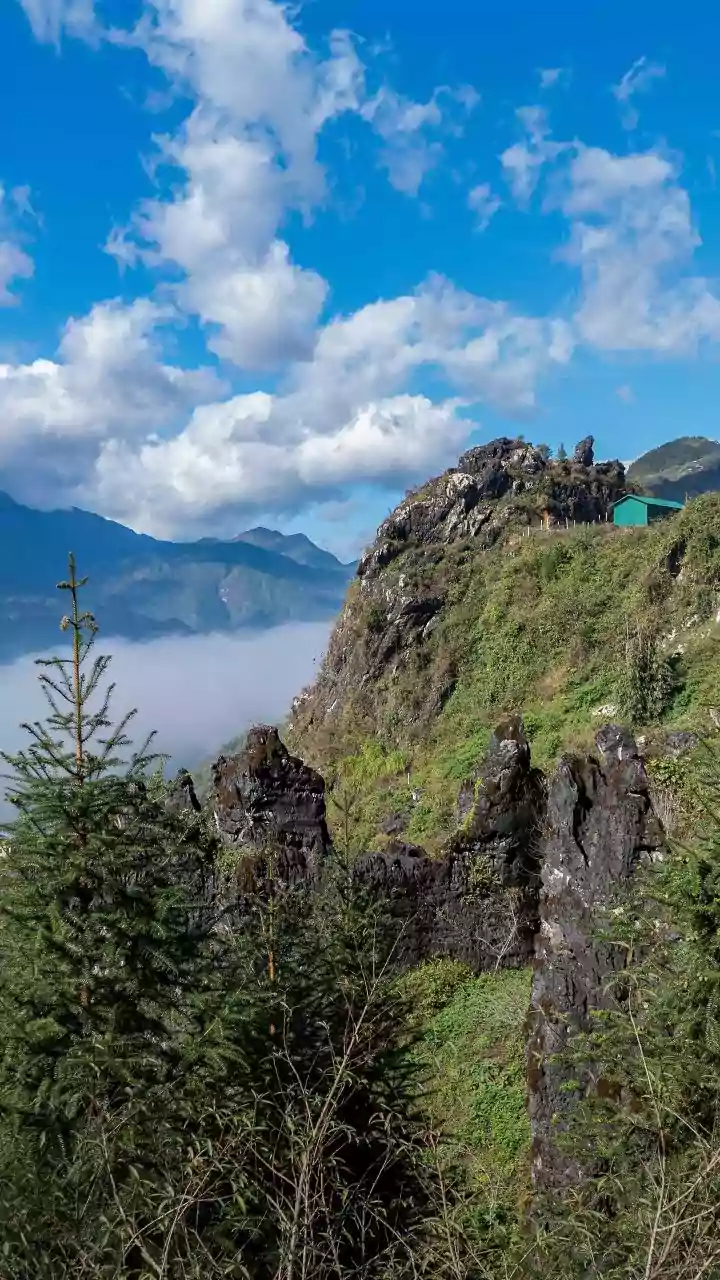
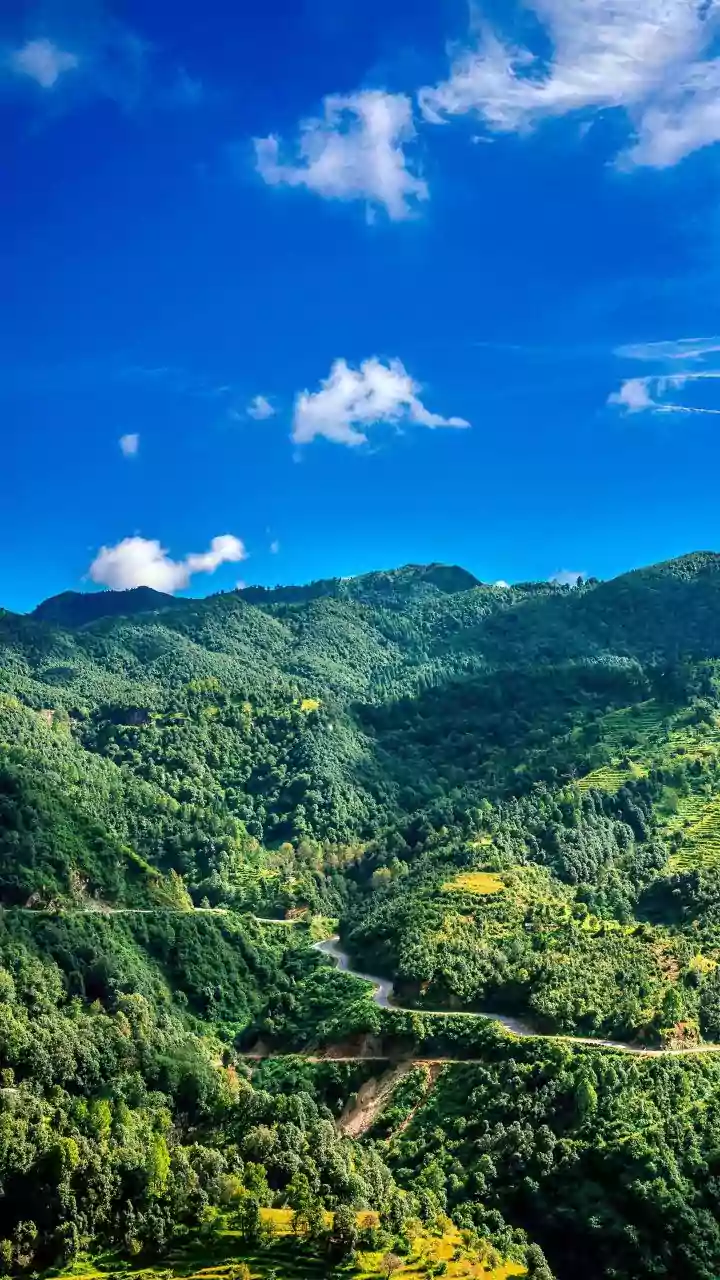
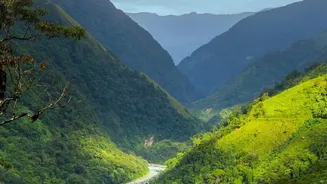
But to call this drive a mere substitute for Ladakh would be a disservice. Where Ladakh is a cold, high-altitude desert defined by its beautiful barrenness, Arunachal Pradesh is its vibrant, green counterpart. The drive here is a journey through a living, breathing landscape. The lower altitudes around Dirang are rich with orchards and forests. As you climb, the scenery is punctuated by dozens of waterfalls, a rare sight in arid Ladakh. The most famous among these is the magnificent Nuranang Falls at Jung, a 100-metre cascade that thunders down into the valley below. The cultural fabric is also distinct. The region is the homeland of the Monpa people, and their influence is visible in the architecture, monasteries, and the tranquil rhythm of life in villages like Dirang and Tawang. It’s a Himalayan experience defined by lushness and life, not just altitude.
The Journey, Stage by Stage
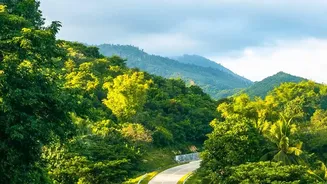
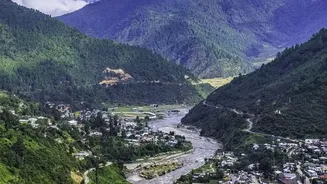
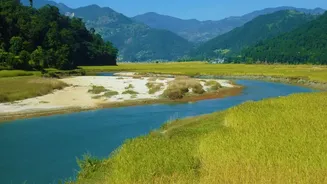
The adventure typically begins in Dirang, a peaceful town perfect for acclimatization. From there, the road ascends sharply towards the formidable Sela Pass. While the new Sela Tunnel, inaugurated in 2024, now offers an all-weather, faster route that bypasses the pass and cuts travel time by over an hour, many travellers still opt for the old road to experience its raw beauty. After crossing the pass, the route descends towards the town of Jung, home to the spectacular waterfall and a bridge that offers stunning views. From Jung, the road trip enters its most exclusive chapter: the drive to Mago. This newly developed road, which is still largely off the radar of mainstream tourism, winds alongside a fast-moving river through dense pine forests, eventually leading to the remote Mago village and the serene, high-altitude Gongkar La Lake.
Know Before You Go
Embarking on this journey requires some planning. First and foremost, all Indian tourists require an Inner Line Permit (ILP) to enter Arunachal Pradesh, which can be applied for online or through designated offices. The best time to visit is from October to April, when the skies are clear and the weather is most favorable. While infrastructure has improved dramatically, thanks to the Border Roads Organisation's work on the Balipara-Charduar-Tawang (BCT) highway, it’s wise to check road conditions, especially if travelling during the monsoon when landslides can occur. Unlike many Himalayan treks, a major draw of this route is that its key attractions—including the breathtaking lakes and waterfalls—are accessible directly from the road, making it a fantastic option for travellers of all fitness levels.