






A Fuel for the Future?
Ferrari CEO Benedetto Vigna has confirmed the company is actively testing carbon-neutral fuels, including biofuels, in its powerful engines. During a recent earnings call, Vigna stated that initial tests are promising, with engine performance remaining
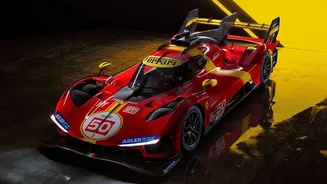
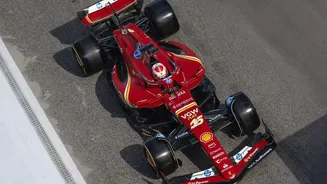
unchanged. “We have already tested different types of carbon-neutral fuels, and the engine performs very well. Nothing changes,” he said. This move is not just a passing experiment; it's a strategic hedge. As the automotive world pivots to electric, Ferrari is exploring a way to keep the beloved internal combustion engine (ICE) alive. The goal is to find a path to carbon neutrality that doesn't sacrifice the sound and emotion that define the brand. This strategy is heavily influenced by motorsport, as Formula 1 is set to mandate 100% advanced sustainable fuels in 2026, providing a high-speed development lab for Ferrari and its fuel partner, Shell.
Technology Neutrality as a Strategy
Instead of going all-in on electrification like many rivals, Ferrari is pursuing what Vigna calls “technology neutrality”. The company plans to offer a mix of three powertrain types to its clients: pure internal combustion, hybrid, and fully electric. The philosophy is simple: let the customer choose their preferred type of thrill. This approach allows Ferrari to cater to its traditionalist base, who treasure the V12 and V8 engines, while also developing its first fully electric car, reportedly called the Luce, which is set for a 2026 debut. By investing in e-fuels and biofuels, Ferrari hopes to secure a future for its ICE models beyond the European Union's planned 2035 phase-out, thanks to a regulatory allowance for cars that run on carbon-neutral fuels. This makes the biofuel tests a crucial part of preserving the company's heritage.
The Final Combustion-Era Icons
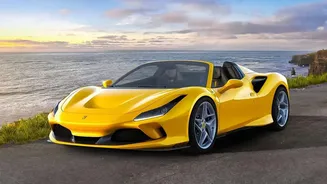
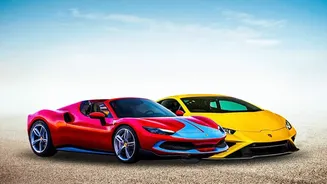
While one hand develops future fuels, the other is preparing a final salute to the current era. Ferrari has confirmed it will reveal two new models before the end of 2026. Though the specific cars have not been officially identified, industry speculation points to what could be the last of their kind. One likely candidate is an open-top 'Aperta' version of the new hybrid F80 hypercar. Another strong possibility is a high-performance, track-focused version of the recently launched 12Cilindri, potentially a final, unrestrained celebration of the naturally aspirated V12 engine. These models represent the pinnacle of Ferrari's combustion and hybrid engineering, launched just as the company begins its electric chapter. This timing is no accident; it is part of a deliberate strategy to manage scarcity and exclusivity, cornerstones of the Ferrari brand.
Balancing Heritage and a Hybrid Future
Ferrari's dual-pronged approach—testing biofuels while launching ultimate combustion cars—is a masterclass in brand management. It reassures existing clients that the soul of Ferrari is not being abandoned while simultaneously investing in the technologies required for long-term survival. The company's strategic plan through 2030 projects a lineup composed of roughly 40% ICE models, 40% hybrids, and 20% electric vehicles. This portfolio diversification is designed to navigate tightening emissions regulations without alienating a customer base that spends hundreds of thousands, or even millions, on the unique experience a Ferrari engine provides. The development of sustainable fuels is the key that could unlock a longer life for the iconic V8 and V12 engines, ensuring the roar of a Ferrari doesn't become a thing of the past.