

Bhoger Khichuri: The Divine Offering
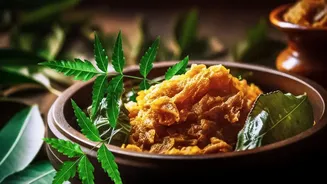
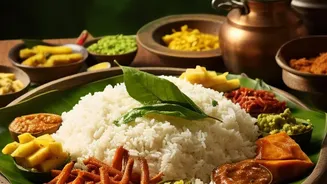
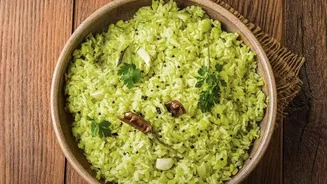
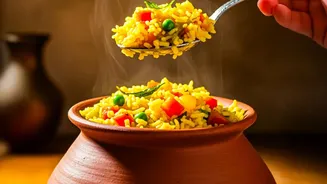
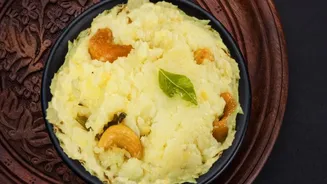
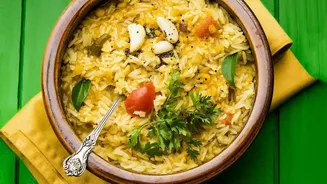
No Durga Puja experience is complete without Bhoger Khichuri, a sacred offering made to the Goddess and then distributed to devotees. This isn't just any khichuri; it's a sublime, aromatic preparation of roasted moong dal and Gobindobhog rice, cooked
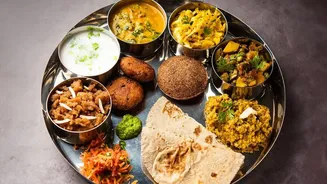
without onion or garlic. The flavour is rich with ginger, whole spices, and a generous helping of ghee. Served in community pandals, especially on Ashtami, this khichuri is more than a meal—it’s a divine blessing. It is typically accompanied by labra, a medley of seasonal vegetables cooked together, and beguni, which are crispy, batter-fried eggplant slices. This combination represents the heart of the community feast, a symbol of togetherness and devotion shared by all.
Luchi and Alur Dom: The Perfect Pair
A festive breakfast or a special meal during the Puja often features the iconic duo of Luchi and Alur Dom. Luchi are deep-fried, puffy breads made from refined flour that are light, airy, and exquisitely soft. They are the perfect vehicle for scooping up Alur Dom, a flavourful and spicy potato curry. While the bhog is strictly vegetarian, home kitchens and restaurants often serve luchi with Kosha Mangsho, a slow-cooked, rich mutton curry, especially on Navami. Another popular accompaniment is Cholar Dal, a subtly sweet lentil preparation made with Bengal gram and often garnished with coconut. Whether for a morning meal before pandal hopping or a leisurely dinner, this combination remains a cherished comfort food.
Pandal Hopping Street Food
The streets of Kolkata, and anywhere Durga Puja is celebrated, transform into a massive food court during the festival. Pandal hopping is fuelled by an array of delicious, easy-to-eat street foods. Kathi rolls, flaky parathas wrapped around fillings like egg, chicken, or paneer, are an absolute must-have. Phuchka, Bengal's version of pani puri, is another essential experience, with vendors surrounded by crowds eager for the tangy, spicy bites. Other fried delights, known collectively as telebhaja, are incredibly popular. These include vegetable chops (croquettes often made with beetroot), fish fries made with fresh bhetki fillets, and ghugni, a savoury curry of yellow peas often enjoyed as a chaat. These snacks are not just about sustenance; they are part of the vibrant, social fabric of the celebration.
Payesh and Mishti: A Sweet Surrender
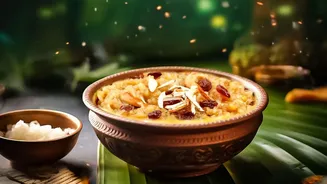
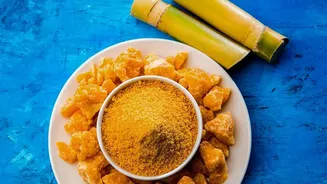
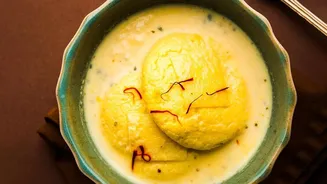
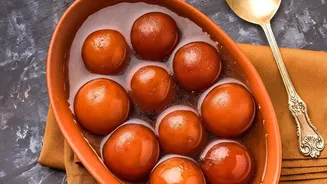
A Bengali festival is incomplete without a grand finale of sweets, or 'mishti'. Payesh, a fragrant and creamy rice pudding, holds a special place and is often part of the bhog. Made by slow-cooking rice (often Gobindobhog) in milk and sweetening it with sugar or date palm jaggery, it symbolises divine blessings. Beyond payesh, sweet shops are filled with an overwhelming variety of treats. Mishti Doi, a fermented sweet yoghurt with a distinct caramelised flavour, is a refreshing dessert. Sandesh, a delicate sweet made from fresh cottage cheese (chhena), comes in countless varieties, from the simple to the elaborate. And of course, there is the iconic Rasgulla, soft and spongy cheese balls soaked in light sugar syrup. These sweets are not just desserts but an integral part of the festive gifting and feasting.