





The Tale of Two Segments
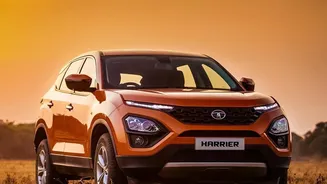
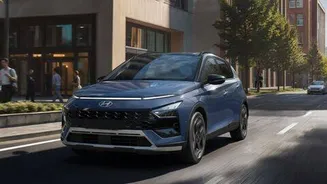
The overall growth in passenger vehicle (PV) sales hides a significant divergence. The market is overwhelmingly driven by the demand for Sports Utility Vehicles (SUVs). Models like the Tata Punch have even become the nation's best-selling car, highlighting
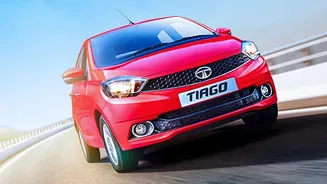
a profound shift in consumer preference towards vehicles with a higher stance and more road presence. This SUV boom, which now accounts for a majority of new vehicle sales, often masks a much softer demand for smaller, entry-level hatchbacks and sedans. While there are signs of renewed interest in the small car segment, especially in rural markets, the main growth engine remains the bigger, pricier utility vehicles. This shift means that headline growth isn't necessarily a sign of broad-based prosperity, but rather a reflection of changing buyer priorities towards practicality and features.
The Great Discount Push
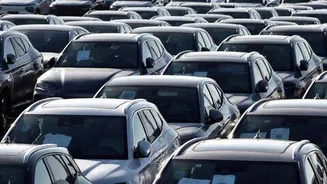
A crucial factor fuelling festive sales is the aggressive push from manufacturers and dealers. Carmakers are rolling out substantial benefits, with some models seeing discounts and offers running into lakhs of rupees. These deals, which often combine cash discounts, exchange bonuses, and low-interest financing, are designed to convert interest into sales and clear existing inventory. Dealer inventories for passenger vehicles were reported to be at a high 38-40 day level at the start of the festive period, indicating a strong supply ready to meet demand. While this strategy is effective in boosting showroom footfall, it raises a key question: is demand being genuinely created by strong consumer sentiment, or is it being pulled forward by promotions that are too good to refuse? The answer is likely a mix of both, but the scale of the discounts suggests that a significant portion of sales are heavily incentivised.
A New Fuel Story
Another major trend reshaping the market is the changing preference in powertrains. For the first time in India, alternative fuels—comprising CNG, hybrid, and electric vehicles (EVs)—have collectively overtaken petrol in passenger vehicle market share. In August 2026, these alternatives accounted for nearly 42% of sales, edging past petrol's 41%. This isn't just an urban phenomenon. The demand for more fuel-efficient options is growing across the board. Hybrids are seen as a practical bridge technology, especially in areas with limited EV charging infrastructure, while CNG continues to be a popular choice for its lower running costs. This shift indicates a more conscious buyer, prioritising long-term running costs over the initial purchase price, and it adds another layer of complexity to the overall sales narrative.
The Rural-Urban Dynamic
For years, rural demand was closely tied to agricultural performance, but a new trend seems to be emerging. Recent data shows rural vehicle demand is beginning to decouple from the monsoon's performance. While tractor sales have softened due to a rain deficit, passenger vehicle sales in rural India have outpaced urban growth significantly. This suggests that the non-farm rural economy, driven by small businesses, goods movement, and construction, is becoming a more powerful engine for auto sales. Improved road infrastructure and better access to financing are also contributing to this aspirational buying in Tier 2 and Tier 3 cities. This robust rural demand is providing a crucial cushion for the industry, broadening the base of growth beyond the traditional metro markets.