





Kerala's Appam: The Art of Fermentation
In Kerala, the morning often starts with the gentle aroma of Appam, a bowl-shaped pancake with a soft, spongy centre and delicate, crispy edges. The magic lies in its batter, a blend of ground rice and coconut that undergoes a slow fermentation. Traditionally,
this process was initiated using toddy, a local palm wine, which imparts a uniquely subtle, tangy sweetness that yeast alone cannot perfectly replicate. This fermentation, which can take several hours, is what creates the Appam's signature light, airy texture. It's a perfect example of how allowing ingredients to rest and transform naturally results in a dish that is both complex and comforting, typically served with a fragrant vegetable stew or a mild curry.
Andhra's Pesarattu: The Power of Soaking
Moving to Andhra Pradesh, we find Pesarattu, a crisp crepe made from whole green moong dal. Unlike the fermented batters of the south, Pesarattu batter is typically used right after grinding. However, its flavour story begins much earlier, with the essential step of soaking the lentils for at least four to six hours, or even overnight. This soaking process does more than just soften the dal for grinding; it unlocks its earthy flavour and makes it easier to digest. The batter, ground with ginger, cumin seeds, and green chillies, turns into a crepe that is savoury, nutritious, and incredibly wholesome. It’s a testament to how preparation, even a simple act like soaking, is a crucial ingredient in itself.
Goa's Sanna: Steamed to Soft Perfection
Goa's Sanna are fluffy, steamed rice cakes that share a similar culinary philosophy with idlis and appams. Traditionally, the batter of ground parboiled rice and coconut is fermented using toddy, lending the Sannas a mildly sweet and tangy taste. The batter is left for several hours to rise, becoming light and airy before being poured into moulds and steamed. This patient fermentation is key to their pillow-soft texture. While yeast is a common substitute today, purists argue that toddy-fermented Sannas have a distinct character. Often paired with spicy Goan curries like Sorpotel, the mildly sweet Sannas provide a perfect balance, showcasing how slow preparation creates a dish that complements a region's vibrant cuisine.
Himachal's Siddu: A Hearty Mountain Meal
From the mountains of Himachal Pradesh comes Siddu, a hearty steamed bun that is a meal in itself. Siddu preparation is a labour of love. A dough made from whole wheat flour is leavened with yeast and left to ferment for several hours until it doubles in size. This slow rise is what gives the bread its characteristic softness. The fermented dough is then stuffed with a savoury filling, which can range from crushed walnuts and poppy seeds to spiced urad dal. Once filled, the buns are carefully shaped and steamed. Eaten hot with a generous drizzle of ghee, Siddu is the perfect warming food for a cold climate, proving that taking the time to ferment and steam creates a dish that is deeply nourishing and satisfying.
Maharashtra's Amboli: A Coastal Comfort
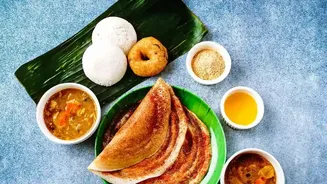
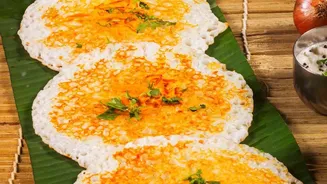
Along the Konkan coast in Maharashtra, Amboli is a cherished breakfast pancake. Thicker than a dosa but softer than an uttapam, Amboli is made from a fermented batter of rice and lentils, often urad dal. The ingredients are soaked for six to eight hours, ground into a paste, and then left to ferment overnight, for at least 10-12 hours. This long fermentation process is crucial; it develops the batter's tangy flavour and creates the soft, porous texture for which Amboli is known. Cooked on a hot griddle, it's a comforting, wholesome start to the day, often enjoyed with coconut chutney or a spicy curry. Amboli is a delicious reminder that good things come to those who wait.