







A Taste Protected by Tradition and Law
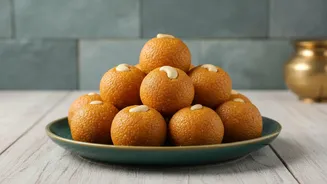
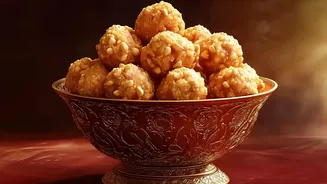
The Tirupati Laddu’s unique taste comes from a specific combination of high-quality ingredients: gram flour, pure ghee, sugar, cashews, raisins, and cardamom. The precise proportions, known as the 'Dittam', are a well-guarded tradition. This isn't just
any recipe; it's a protected cultural treasure. In 2009, the laddu was granted a Geographical Indication (GI) tag, which means its name and recipe are legally protected from imitation. This status ensures that only the laddus made at Tirumala can be called 'Tirupati Laddus', preserving their authenticity and sacredness. The use of pure cow ghee is non-negotiable, with the temple administration, Tirumala Tirupati Devasthanams (TTD), procuring tons of it through stringent quality checks to maintain its signature aroma and flavour. This commitment to quality is central to the laddu's identity, making each bite a consistent experience of divine taste.
From Offering to Blessed 'Prasadam'
The laddu’s journey from ingredient to devotee is steeped in ritual. It is not merely food but 'prasadam'—a sacred offering first presented to the deity, Lord Venkateswara, before being distributed. This act of offering, or 'Naivedhyam', infuses the sweet with divine blessings. For a devotee, receiving the laddu is the culmination of their spiritual journey, a tangible piece of the divine to take home. This tradition dates back to August 2, 1715, when the practice of offering these sweets began. Over the centuries, it evolved from an earlier sweet called Manoharam to the spherical laddu we know today, standardized around 1940. Many pilgrims feel their visit is incomplete without this blessed sweet, often sharing it with family and friends as a symbol of good fortune and spiritual fulfilment.
The Miraculous Scale of Production
The sheer scale of laddu production is a modern marvel. The temple’s main kitchen, known as the 'Potu', is a hive of activity where hundreds of skilled cooks, or 'pachakas', work in shifts. On an average day, the TTD prepares around 300,000 to 400,000 laddus. This herculean task requires staggering amounts of daily ingredients, including about 10 tonnes of gram flour and 10 tonnes of sugar. To manage this volume, the kitchen is equipped with modern machinery, including three large conveyor belts to transport ingredients and finished laddus. The process, which once relied solely on firewood, was modernized with LPG in 1984 to keep up with growing demand. The logistical operation is immense, with around 600 to 700 people involved in the entire process from cooking to distribution, ensuring that the flow of this sacred offering remains uninterrupted.
An Enduring Symbol of Faith
The Tirupati Laddu is more than just the sum of its parts. Different sizes are available, from the standard 175-gram 'Proktam Laddu' distributed to most pilgrims, to the larger 750-gram 'Asthanam Laddu' made for special occasions. Each variety carries the same spiritual weight. The demand continues to grow, with sales figures breaking records year after year; in May 2026, over 1.21 crore laddus were sold. This overwhelming demand reflects the deep emotional and spiritual connection devotees have with the prasadam. It is a symbol of Lord Venkateswara's blessings, a source of joy, and a testament to an institution that seamlessly blends ancient ritual with modern, large-scale efficiency. For over 300 years, the laddu has remained an irreplaceable part of the Tirumala pilgrimage, a sweet, fragrant reminder of enduring faith.