



A Culinary Journey Through India
For years, Independence Day celebrations have been visually marked by the tricolour on flags, kites, and even food. Dishes tinted saffron, white, and green are a familiar sight. But as India’s culinary identity evolves, there is a growing movement to
celebrate the nation’s diversity in a more authentic way. Instead of just representing the flag’s colours, chefs and home cooks are curating menus that showcase the vast tapestry of regional cuisines. This approach transforms the dining table into a map of India, where every dish tells a story of its origin, culture, and people. It’s a celebration that moves from the symbolic to the substantial, honouring the true spirit of a united yet diverse nation. This shift is part of a larger trend where chefs and food enthusiasts are proudly championing hyperlocal ingredients and traditional recipes.
Starters to Unite the Nation
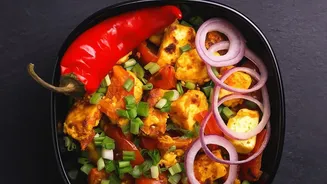
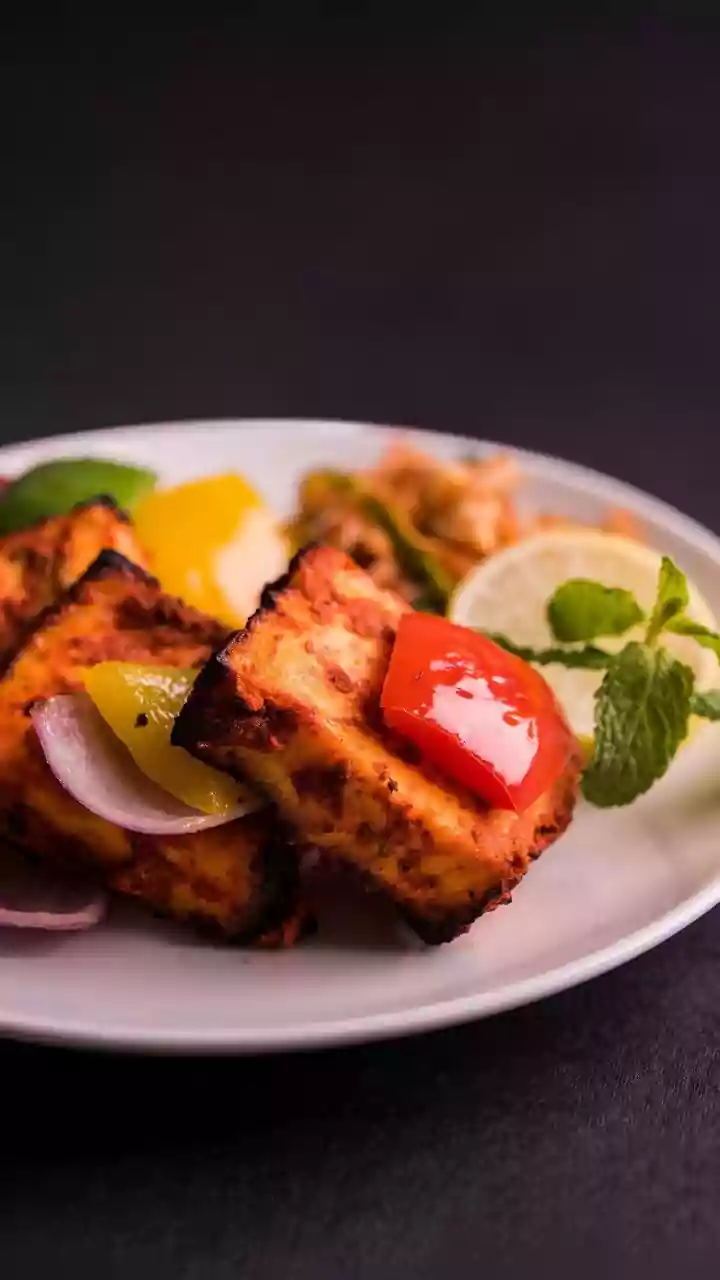
A memorable feast begins with appetisers that spark conversation and delight the palate. A regional menu offers a chance to explore flavours from every corner of the country. Imagine starting with the fiery, crisp Chicken 65 from the south, a dish beloved for its zesty coating. For vegetarians, Achaari Paneer Tikka offers a tangy punch from the north. From the east, you could feature Peyaji, the delightful Bengali onion fritters, perfect for a festive occasion. And from the heart of Bihar, the rustic and wholesome Litti, a baked wheat ball often served with a rich aubergine mash, provides a taste of earthy, traditional flavours. This variety ensures there is something for everyone while taking your guests on an immediate culinary tour.
A Main Course That Crosses Borders
The main course is where a pan-Indian menu truly shines, showcasing how different culinary philosophies can create a harmonious spread. From Rajasthan, the hearty Dal Baati Churma, with its baked wheat balls, rich lentil curry, and sweet crumble, is a celebration in itself. Representing Goa’s unique Portuguese-influenced heritage, a Chicken Xacuti brings a complex and aromatic flavour profile to the table. From the coastal west, a delicate Patrani Macchi—steamed fish wrapped in banana leaves—offers a lighter, fragrant option. And from the east, Bengal's Basanti Pulao, a sweet and fragrant rice dish, can serve as a perfect accompaniment that ties the diverse curries together. Each dish, with its distinct spices and cooking methods, stands as a testament to the nation’s rich culinary legacy.
Sweet Endings from Every Region
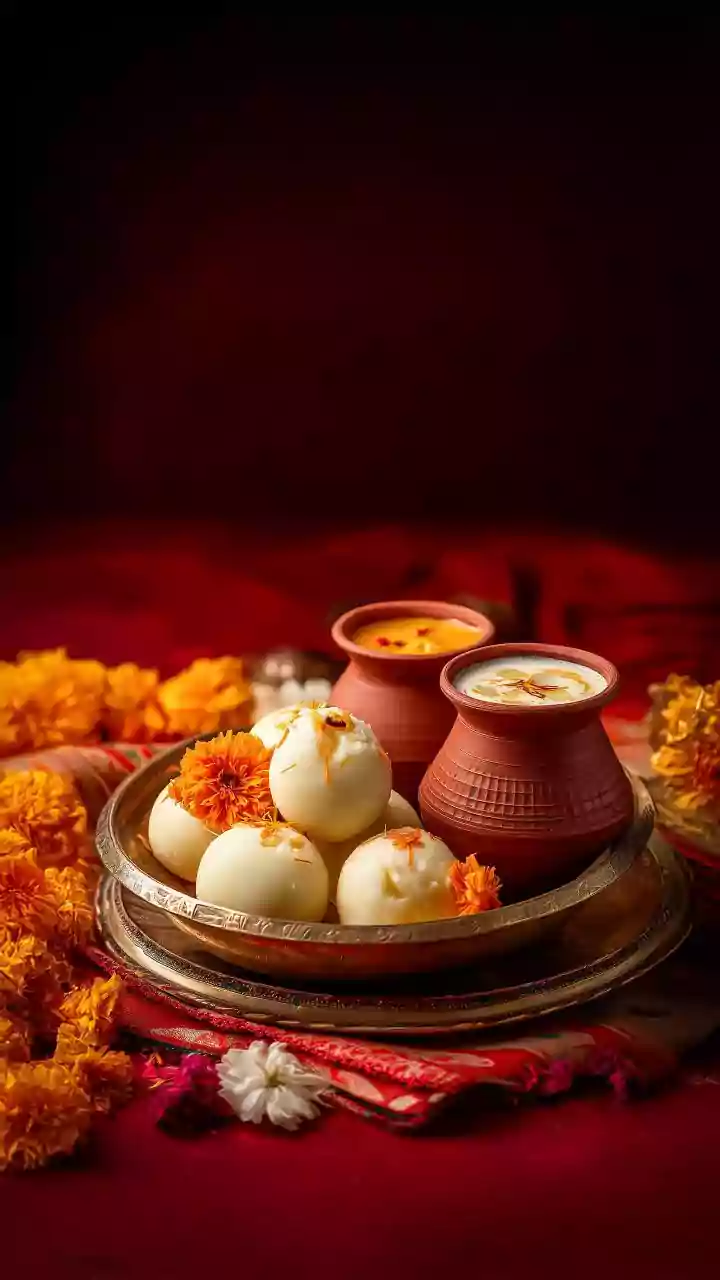
No Indian celebration is complete without sweets, which symbolize happiness and the sweetness of freedom. A regional dessert platter offers a delightful conclusion to the meal. Instead of a single sweet, imagine a spread featuring classics from different states. From Goa, the rich, layered Bebinca is a testament to patient, artful cooking. Representing Odisha, the subtle and delicate Chhena Poda, a baked cheese dessert, offers a unique texture and taste. A bowl of Phirni, a creamy rice pudding flavoured with saffron and cardamom, brings a touch of north Indian tradition. And from Bengal, the iconic Mishti Doi provides a sweet, tangy, and cooling finish. Such a platter is not just a dessert course; it's a sweet map of India's diverse palate.
Bringing the Idea Home
Creating such a menu at home might seem daunting, but it can be simplified. You don't need to cook a dozen dishes. Start small. Choose one dish from each of the four regions—north, south, east, and west. You could even plan a potluck where friends bring a dish representing their own regional heritage. The goal isn't to create a restaurant-level banquet, but to embrace the spirit of discovery and sharing. Exploring these recipes, many of which are now easily found online or shared by food bloggers, is a way to connect with the country's heritage. It’s a delicious and engaging way to celebrate the idea that so many different traditions and flavours can come together to create a beautiful whole.