







State-Level Raids Uncover Alarming Fakes
The move toward national standards was prompted by decisive action at the state level. Over the past few months, food safety authorities in Maharashtra and Gujarat have initiated major crackdowns on what is being termed 'analogue paneer'. In July and August
2026, both states announced bans on the production, distribution, and sale of this non-dairy substitute. The raids followed laboratory tests which found that a significant percentage of paneer samples were not made from milk at all. Instead, they were manufactured using vegetable oils, palm oil, starch, and other non-dairy ingredients to mimic the look and feel of real paneer. The crackdown in Maharashtra, for instance, came after over 35% of samples failed quality tests due to adulteration with vegetable fat. Authorities in both states cited risks to public health and the need to prevent consumer deception as primary drivers for the bans.
What Exactly Is 'Analogue Paneer'?
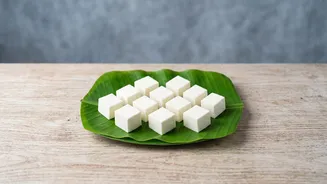
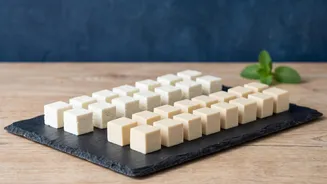
True paneer is a fresh cheese made by curdling milk with a food-grade acid like lemon juice or vinegar. It is a crucial source of protein for millions of vegetarians in India. 'Analogue paneer', on the other hand, is a substitute where milk fat and milk protein are partially or wholly replaced by cheaper ingredients. These often include vegetable fats, starches, water, emulsifiers, and artificial flavourings. While these analogue products are not inherently illegal if sold with proper labelling, the problem arises when they are passed off as real paneer to unsuspecting customers. This practice is not just misleading; it carries potential health risks. The high trans-fat levels in some vegetable oils can contribute to high cholesterol, obesity, and heart disease. In more sinister cases of adulteration, investigations have found toxic substances like detergents and urea used to create synthetic milk for making fake paneer, posing severe risks to liver and kidney function.
FSSAI Proposes a Nationwide Definition
In response to the growing problem highlighted by the state-level actions, the Food Safety and Standards Authority of India (FSSAI) has stepped in. In late September 2026, the regulator published a draft amendment to the Food Safety and Standards (Prohibition and Restrictions on Sales) Regulations, 2011. The core of the proposal is simple but powerful: the word 'paneer' should be restricted exclusively to products made from milk. If the proposal is finalized, any product currently licensed or sold as an 'Analogue in Dairy Context' would be barred from using the term 'paneer' on its packaging, labelling, or in its marketing. This aims to eliminate the grey area that producers of fake paneer have exploited. The FSSAI has opened the draft for suggestions from stakeholders for a 60-day period before making a final decision.
What the New Rules Mean for Consumers
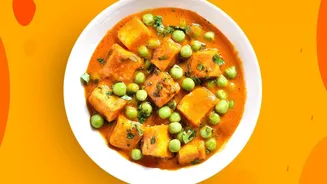
For the average consumer, this proposed change is a significant win for transparency and food safety. If enacted, you would no longer have to wonder if the 'paneer' you are buying is made from milk or palm oil. The rule would force manufacturers to call their products what they are, making it easier to distinguish genuine dairy paneer from its plant-based or synthetic imitations. The regulations would also extend to restaurants, hotels, and caterers. These establishments would be required to clearly state on their menus if they are using a paneer analogue instead of the real thing, preventing situations where a customer orders Paneer Butter Masala but is served a dish with a non-dairy substitute. This ensures that consumers can make informed choices based on accurate information, both at the grocery store and while dining out.
The Road Ahead for Producers
The proposed regulations will undoubtedly impact the food industry. Producers of analogue paneer will need to overhaul their branding and marketing strategies, finding new ways to describe their products without using the restricted term. While this may pose a challenge for some, the primary goal is to level the playing field and protect the integrity of the dairy sector, which has been undermined by the flood of cheap, adulterated alternatives. Honest dairy farmers and paneer producers who adhere to quality standards stand to benefit from a market where authenticity is clearly defined and enforced. The FSSAI's proposal signals a shift towards stricter enforcement and greater accountability, pushing the entire industry towards higher standards of quality and transparency. It's a clear message that when it comes to one of India's most cherished foods, authenticity matters.