







A Homecoming Led by Nature
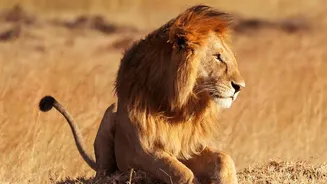
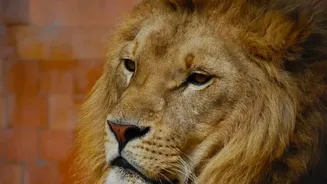
The story of the lions' return to Barda began not with a government decree, but with the journey of a single, adventurous male lion. In January 2023, this lone pioneer naturally dispersed from its home in the Gir landscape and travelled nearly 100 kilometres
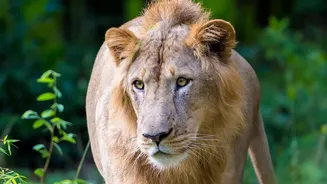
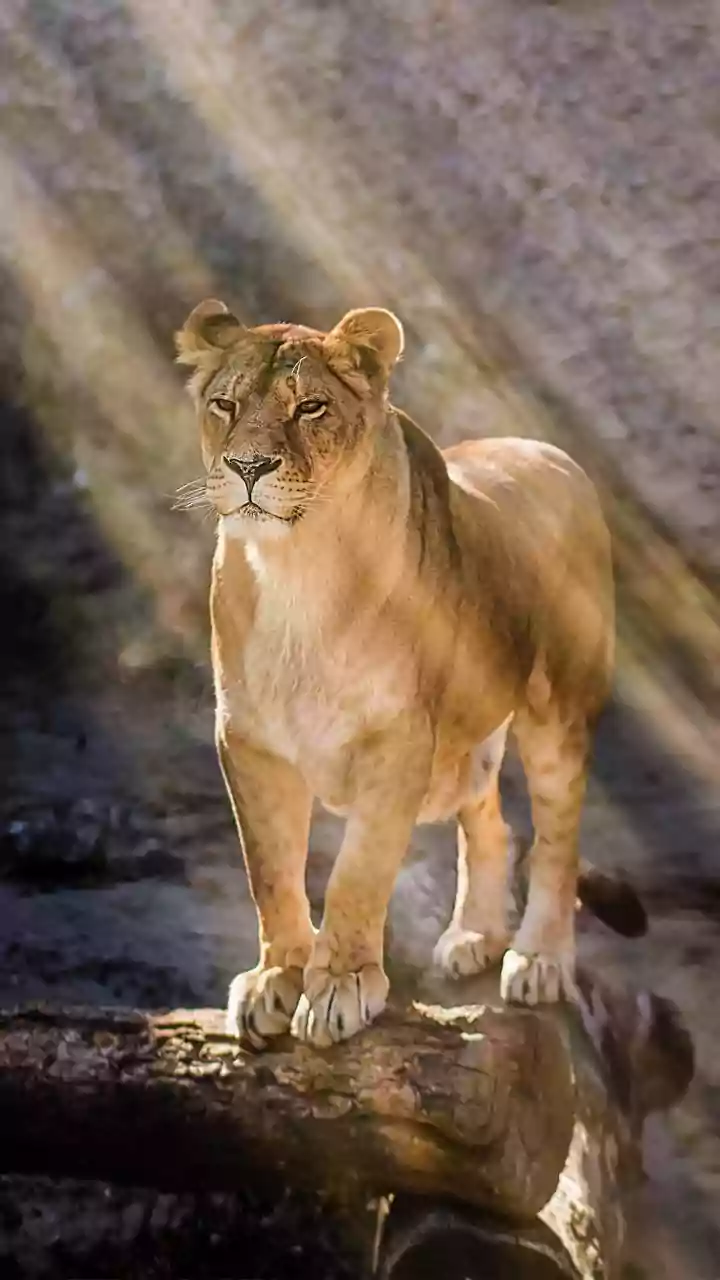
to reach Barda, a place its ancestors had last inhabited in 1879. This natural migration was a profound signal. It suggested that the extensive efforts to restore Barda's ecosystem had succeeded in making it a welcoming habitat. Recognizing the significance of this event, the Gujarat Forest Department augmented this natural return by introducing five female lions to help establish a new, viable population. By mid-2025, this nascent community had grown to 17 lions, including 11 cubs, marking the official establishment of a second home for lions in the state.
Why the Lions Vanished from Barda
The 144-year absence of lions from Barda is a stark reminder of how close the species came to disappearing entirely. Historically, the Asiatic lion roamed across the Middle East and much of northern India. However, widespread hunting during the British Raj and the preceding eras, combined with habitat loss, decimated their numbers. By the dawn of the 20th century, the entire global population of wild Asiatic lions was reduced to a few dozen individuals clinging to survival in the Gir forests of Gujarat, protected by the Nawab of Junagadh. Barda, once part of their natural domain, saw its last lion killed in 1879, a local extinction that mirrored a near-total catastrophe for the species.
The Gir Conservation Success Story
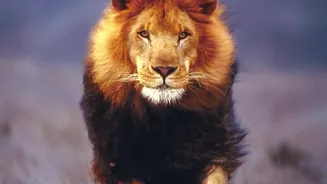
The journey from near-extinction to a thriving population is one of India's proudest conservation achievements. Centred in the Gir National Park, decades of dedicated protection, habitat management, and community involvement have yielded spectacular results. From a low of around 50 lions, the population has steadily climbed. The 2025 census recorded 891 lions, a staggering 32% increase from the 674 counted in 2020. This success has been so profound that the lions have outgrown the confines of the park, spreading across an area of nearly 35,000 square kilometres in Gujarat's Saurashtra region. This dispersal created both an opportunity and a challenge: the need for a secure, secondary habitat to safeguard the species' future.
Project Lion and the Search for a Second Home
Having the entire population of a species in a single location, even a large one, is a risky conservation strategy. A single epidemic or natural disaster could be catastrophic. This understanding drove the search for a second home, a core objective of the central government's 'Project Lion'. Announced in 2020, Project Lion aims to manage the growing lion population holistically, securing and restoring habitats while involving local communities. Barda Wildlife Sanctuary, established in 1979, was identified decades ago as a potential site. Over the years, the forest department worked to improve its suitability, enhancing the prey base by reintroducing animals like spotted deer and ensuring adequate water sources, paving the way for the lions' eventual return.
What Makes Barda a Suitable Stronghold
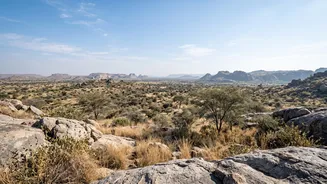
A recent study published in the journal 'PLOS One' confirmed that Barda is more than ready to host the lions. Spread across 192 square kilometres, its rugged hills, forests, and grasslands provide suitable cover and territory. Researchers who radio-collared the initial six lions found that the animals were successfully establishing home ranges, forming social bonds, and hunting local prey. The sanctuary's proximity to Gir allows it to act as a vital satellite habitat, absorbing lions that disperse from the main population and providing a crucial buffer. This connectivity is essential for maintaining genetic flow and ensuring the long-term resilience of the species.