





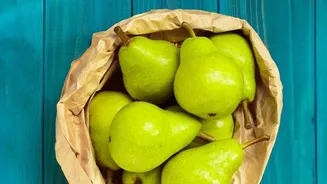
A Nutritional Snapshot
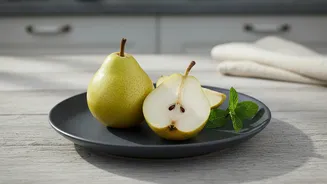
Before diving into its effects on blood sugar, it's worth appreciating the nutritional powerhouse that is the Nashpati. A medium-sized pear is low in calories but rich in essential nutrients. It provides a significant amount of Vitamin C, Vitamin K, and
potassium. Pears are also a source of beneficial plant compounds and antioxidants, which play a role in protecting the body against oxidative damage. These nutrients contribute to overall health, from supporting the immune system to promoting heart health.
The Glycemic Index Advantage
The primary concern for anyone managing blood sugar is how quickly a food raises glucose levels. This is measured by the Glycemic Index (GI). Foods with a high GI cause rapid spikes, while low-GI foods lead to a slower, more manageable rise. Pears, including the Nashpati variety, fall comfortably into the low-GI category, with a score typically between 20 and 49. This low score means that eating a pear won't cause the dramatic blood sugar surge associated with high-sugar snacks, making it a suitable choice for those with diabetes or anyone looking to maintain stable energy levels.
Fibre is Your Friend
The secret to the pear's blood-sugar-friendly nature is its high fibre content. A single medium pear can provide around 6 grams of dietary fibre, which is a substantial portion of the daily recommended intake. This fibre, particularly a soluble type called pectin, slows down the digestion and absorption of sugar into the bloodstream. This buffering effect prevents sharp spikes and crashes in blood glucose, promoting a more stable and sustained energy release. This high fibre content not only aids in blood sugar control but also supports digestive health and promotes a feeling of fullness, which can help with weight management.
Eat the Whole Fruit, Skin Included
The 'best way' to eat a pear is to eat the whole thing. The skin of the Nashpati is where a large concentration of its nutrients, especially its fibre and antioxidants, are found. Some studies suggest the pigments in the pear's skin, called anthocyanins, may even play a role in lowering the risk of type 2 diabetes. Juicing a pear, on the other hand, strips away this valuable fibre, leaving you with a more concentrated source of fruit sugar that can impact blood glucose more rapidly. Studies have shown that consuming whole fruits like pears is associated with a lower risk of type 2 diabetes compared to consuming fruit juice. So, wash your Nashpati thoroughly and enjoy it with the skin on.
Practice Smart Pairing and Portions
While Nashpati is a good choice, moderation remains crucial for blood sugar management. A single medium pear is a good serving size. To further stabilise blood sugar response, consider pairing your pear with a source of protein or healthy fat. Enjoying a few slices of pear with a handful of almonds, a piece of cheese, or a scoop of Greek yogurt can slow down sugar absorption even more effectively. It’s also often better to eat fruit as part of a balanced meal rather than on an empty stomach to mitigate any potential glucose spikes.