






A Nationwide Shift in Appetite
Not long ago, ordering food online was synonymous with indulgence. However, recent data from leading food delivery platforms reveals a dramatic change in consumer behaviour. Healthy eating has officially entered the mainstream. According to a January
2026 report from Swiggy, one in every nine orders placed on the platform now comes from its 'EatRight' category, which is dedicated to healthier choices. This isn't just a fleeting diet fad; it points to a structural shift where consumers are consciously integrating nutritious meals into their daily routines. Reports indicate that meals rich in protein and low in calories are expanding at a pace 2.3 times faster than overall orders, signaling a robust and growing demand for 'better-for-you' food. This trend is a clear indicator that Indians are no longer treating healthy food as an occasional choice but as a staple.
What's Fuelling the Health Craze?
Several factors are driving this move towards mindful eating. The post-pandemic era has instilled a heightened sense of health and wellness consciousness among the population. Coupled with this is the rising influence of fitness culture, amplified by social media, which has made conversations around macronutrients and calorie counts commonplace. India’s growing middle class and a large, digitally-savvy youth demographic are key drivers of this demand for modern wellness solutions. Food delivery platforms have responded proactively. Swiggy and Zomato have introduced dedicated health-focused categories and even AI-driven 'health scores' to help users identify nourishing options more easily. This has made finding and ordering healthy food more convenient than ever, removing a significant barrier for many consumers.
On the Menu: Grilled Chicken and Protein Biryani
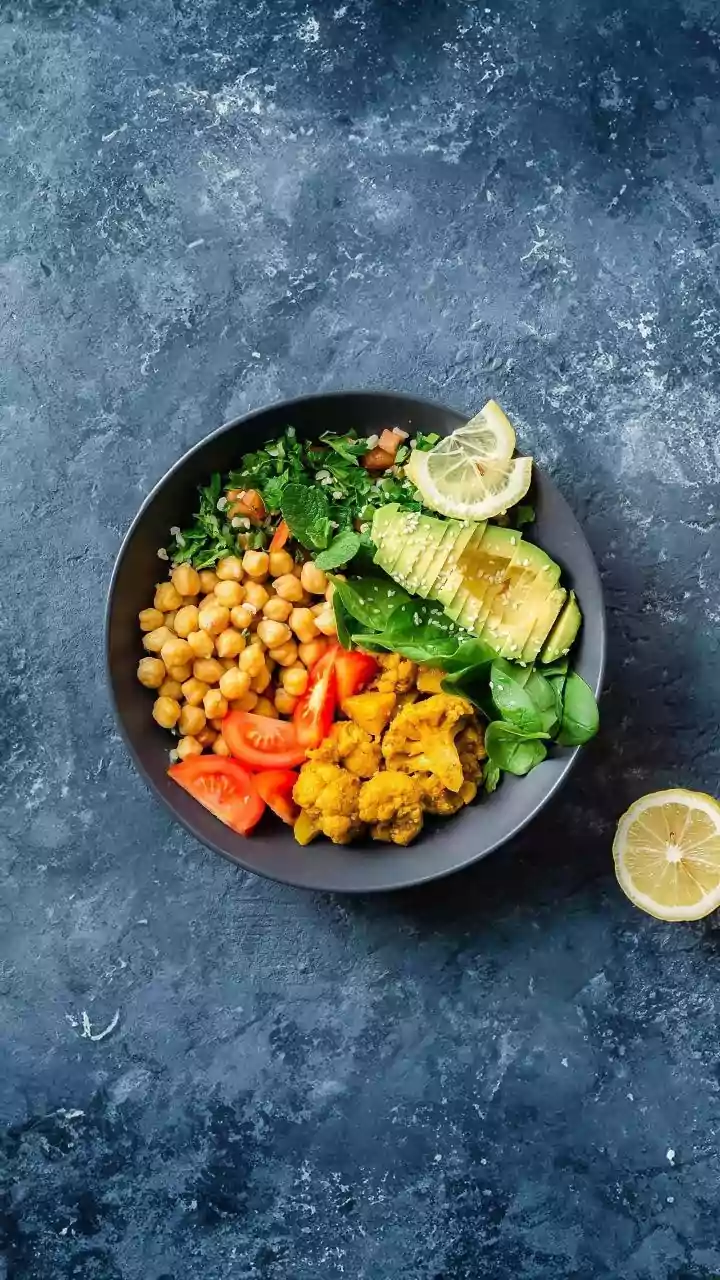
So, what exactly are health-conscious Indians ordering? The demand is for dishes with clear nutritional benefits. High-protein meals with 45 grams of protein or more are seeing particularly strong traction, growing nearly 3.5 times faster than other healthy options. Dishes in the 400-500 calorie range have also emerged as a sweet spot for those looking for lighter meals. Popular choices include grilled chicken, tandoori items, paneer-based dishes, and a variety of salads and bowls. Even traditional comfort foods are getting a healthy makeover. There's a sharp rise in demand for high-protein, single-serve biryanis, as well as rolls and sandwiches made with healthier ingredients. Restaurants are innovating with offerings like multigrain pizza bases and protein-enriched coffees and shakes to cater to this evolving palate.
Beyond the Metros
While major metropolitan areas like Bengaluru, Mumbai, and Delhi NCR continue to lead the charge, the trend is rapidly spreading to Tier-2 and Tier-3 cities. Swiggy has noted strong momentum in cities such as Ahmedabad, Bhubaneswar, Goa, Mysore, and Coimbatore, indicating that health-conscious ordering is becoming a pan-India phenomenon. This expansion is supported by quick commerce platforms that have expanded their high-protein categories to over 160 cities. The ordering patterns also show habit formation. Data reveals that healthy food orders often peak mid-week, particularly on Wednesdays and Fridays, suggesting that consumers are incorporating these meals into their regular work schedules rather than just as a weekend reset.
The Industry Responds
This consumer-led shift is compelling the entire food industry to adapt. Restaurants and cloud kitchens are revamping their menus to include dedicated healthy sections and are being more transparent about ingredients and nutritional information. According to reports, cloud kitchens are updating their menus three to four times faster than traditional restaurants, allowing them to quickly adopt trending ingredients and test new healthy dishes. Food aggregators are also playing a crucial role by creating intuitive categories like 'High Protein', 'Low Cal', 'No Fry', and 'Gluten Free' to simplify the discovery process for users with specific dietary needs. This symbiotic relationship between consumer demand and industry innovation is making healthy eating more accessible and appealing than ever before.