






The Foundation: Your Core Documents
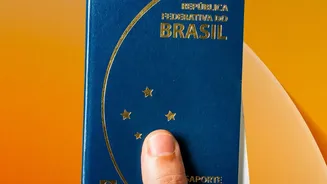
Your F-1 status is built upon a foundation of key documents. Think of these as your personal immigration portfolio, essential for proving your legal right to study and, eventually, work in the U.S. The most important items are your passport, F-1 visa,
Form I-20, and I-94 Arrival/Departure Record. Your passport must be valid at all times, ideally for at least six months into the future. The Form I-20, issued by your school, is the certificate of eligibility that outlines your program of study. Your I-94 record, which you can access online, confirms your lawful admission to the country in F-1 status for the "Duration of Status" (D/S). Keeping these documents safe, organized, and readily accessible—both in physical and digital formats—is the first and most important step. It is recommended to keep copies of all immigration documents you receive, as you may need them for future applications.
When You Move: The 10-Day Rule
A simple change of apartment can have significant immigration consequences if not handled correctly. U.S. immigration regulations require all non-citizens, including F-1 students, to report a change of address within 10 days of moving. This is not a suggestion; it is a mandatory requirement. Failure to report a move in a timely manner can be considered a status violation, potentially creating serious issues for future visa applications or benefits. For most F-1 students, the process is straightforward: you must update your local U.S. address with your university's International Student Office. Your Designated School Official (DSO) will then update your address in the Student and Exchange Visitor Information System (SEVIS). Students on OPT may need to report the change through the SEVP Portal. Always confirm the specific procedure with your DSO and keep a record of the update for your files.
Transferring Schools: A Seamless SEVIS Handover
Deciding to transfer to a new university involves more than just getting an acceptance letter. It requires a formal transfer of your SEVIS record. This process ensures your immigration status remains uninterrupted as you move from one SEVP-certified institution to another. You must first inform your current DSO of your intent to transfer and provide them with your acceptance letter and the SEVIS school code of your new institution. The DSOs at both schools will coordinate a "release date" on which your SEVIS record is electronically moved. Your current school cannot refuse to transfer your record if you meet the eligibility requirements. After the release, your new school will issue a "transfer pending" I-20. To complete the process, you must check in with your new DSO within 15 days of the program start date to activate your record at the new school.
Starting OPT: Proving Your Eligibility
Optional Practical Training (OPT) is a important opportunity to gain work experience in your field of study. However, the application for an Employment Authorization Document (EAD) is document-intensive. U.S. Citizenship and Immigration Services (USCIS) requires a complete and accurate submission, and a simple missing document can lead to rejection. Your application packet, centered around Form I-765, must include clear copies of your passport, F-1 visa, and I-94 record. Crucially, you must also provide copies of ALL Form I-20s ever issued to you, not just the most recent one. This is where organized record-keeping pays off. Before you can even apply, your DSO must recommend OPT and issue a new I-20. The application must then be filed with USCIS within a strict timeframe. Having a complete file ready makes this time-sensitive process much less stressful and increases your chances of a smooth approval.
Why Meticulous Records Matter
Maintaining clear and complete records is not just about avoiding immediate problems. It is about building a clean and verifiable immigration history. Every step you take—from updating your address to applying for OPT—is recorded in your SEVIS profile. This history becomes the basis for any future immigration benefit you may seek, such as an H-1B work visa or permanent residency. A record with unexplained gaps, inconsistencies, or status violations can create significant hurdles down the line. Think of your immigration file as a long-term investment in your future in the United States. By diligently keeping copies of every I-20, updating your DSO about any changes, and following the rules, you are not just maintaining your status; you are ensuring that future opportunities remain open to you. Your attention to detail today is the best protection for your goals tomorrow.