



The Southern Staples: Rice and Lentils
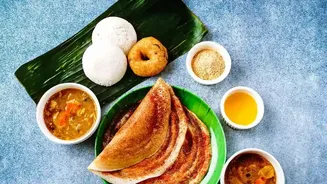
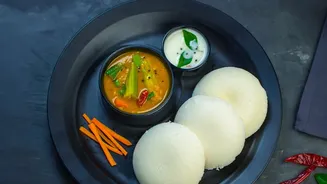
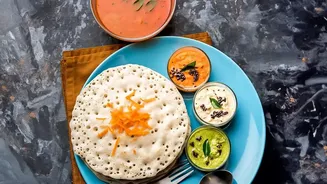
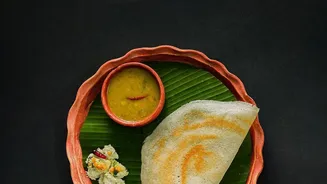
South India's breakfast champions, idli and dosa, are a testament to culinary ingenuity using simple, local ingredients. Both are made from a fermented batter of rice and urad dal (black gram), both of which have been cultivated on the subcontinent for
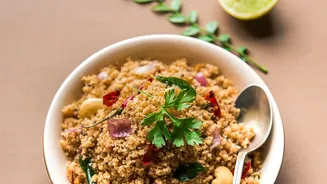
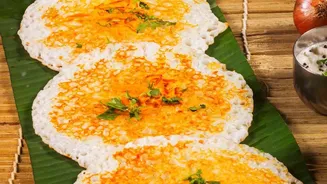
millennia. Idli, a soft steamed cake, and dosa, a crispy crepe, are served with sambar—a lentil-based vegetable stew—and various chutneys. The core components are rice, lentils (like toor dal and urad dal), and local vegetables like tomatoes, onions, and drumsticks. Even the popular breakfast dish Upma, a savory porridge, is typically made from locally produced semolina (sooji) and vegetables. This reliance on locally grown grains and pulses makes the South Indian breakfast a perfect example of regional self-sufficiency.
The Northern Powerhouse: Wheat and Potatoes
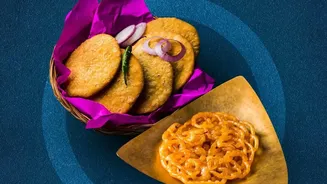
Travel north, and the breakfast landscape changes to reflect its agricultural strengths, primarily wheat. The undisputed king of the North Indian breakfast is the paratha, a layered flatbread made from whole wheat flour (atta). While plain parathas are common, stuffed versions are incredibly popular, with aloo paratha (potato-stuffed) being a favourite across the country. The ingredients are quintessentially Indian: whole wheat flour, potatoes, onions, and a variety of spices like coriander and green chillies, all widely grown in the region. Another popular dish, chole bhature, features spicy chickpea curry paired with deep-fried bread. While a heavy start to the day, its ingredients—chickpeas and wheat—are central to North Indian agriculture.
Western and Central Wonders: Flattened Rice and Gram Flour
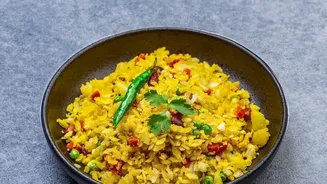
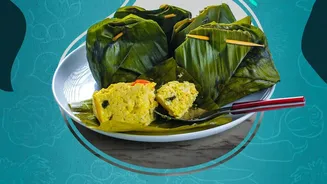
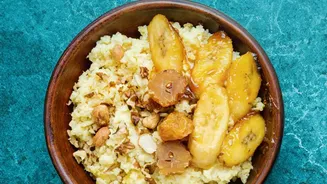
In Western and Central India, particularly Maharashtra and Madhya Pradesh, breakfast often revolves around poha. This light and nutritious dish is made from flattened rice, which is quick to cook and easy to digest. The preparation involves tempering mustard seeds, curry leaves, and turmeric, then adding onions and the soaked poha. Garnishes like fresh coriander and lemon add flavour, all of which are common local produce. From Gujarat comes dhokla, a spongy, steamed cake made from a fermented batter of gram flour (besan), derived from chickpeas. It is a light, healthy, and entirely indigenous creation. These dishes showcase how regional cuisines have built iconic meals around readily available, locally processed grains and pulses.
A Plate of Self-Reliance
The foundation of India's breakfast diversity is its agricultural strength. India has achieved a large degree of self-sufficiency in food grains like rice and wheat since the Green Revolution. These two grains form the backbone of countless breakfast dishes, from rotis and parathas in the north to idlis and dosas in the south. While India does import certain foods, particularly pulses and edible oils to meet shortfalls in demand, the primary staples for its most iconic morning meals are overwhelmingly domestic. The spices that give these dishes their character—turmeric, mustard seeds, cumin, chillies—are also deeply integrated into the country's agricultural landscape. This means that for millions of Indians, the first meal of the day is a true reflection of the land it comes from, a daily ritual of delicious self-reliance.