






The Tiny Grain with Mighty Bone Benefits
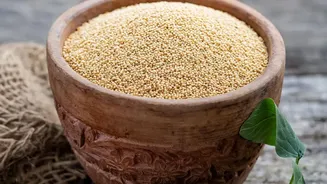
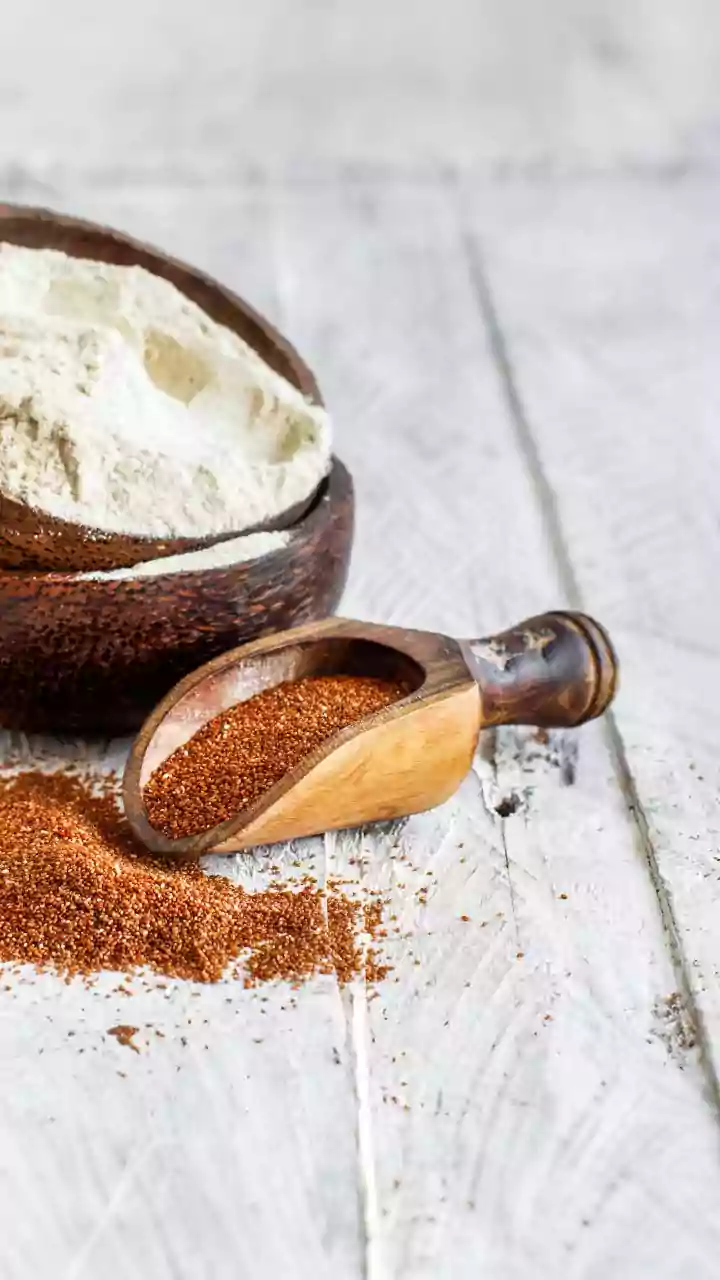
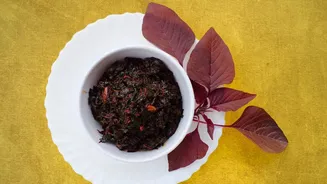
Often called an 'ancient grain', amaranth is technically a pseudocereal, related to quinoa and buckwheat. For centuries, it has been a nutritional powerhouse in diets across the world, including in India where it's known as rajgira. While its benefits
are wide-ranging, the current focus is on its impressive contribution to bone nutrition. Strong bones are not just about a single nutrient; they require a network of minerals and proteins working together. Amaranth delivers this in abundance, making it a stellar choice for anyone focused on skeletal health, from growing children to adults concerned about age-related bone loss.
A Closer Look at the Nutrient Profile
Amaranth's strength lies in its unique combination of bone-supporting minerals. It is an excellent source of calcium, the primary building block of our bones. But it doesn't stop there. One cooked cup provides a significant amount of magnesium, a mineral crucial for helping the body absorb and use calcium effectively. It is also packed with phosphorus, another key mineral that gives bones their rigid structure. Furthermore, amaranth delivers an impressive dose of manganese, an essential trace mineral that supports the processes of bone formation and maintenance. This symphony of minerals, all present in one food, makes amaranth a particularly efficient way to nourish your bones.
Protein and Beyond: The Supporting Cast
Bone health is not just about minerals. Protein forms the flexible framework that minerals like calcium adhere to, giving bones their resilience. Amaranth is a complete plant-based protein, meaning it contains all nine essential amino acids, including lysine. This is noteworthy because lysine, which is often low in other grains, plays a role in helping the body absorb calcium. Beyond its direct nutritional input, some studies suggest that compounds in amaranth have anti-inflammatory properties. Chronic inflammation can interfere with the body's natural bone-remodelling process, so managing it through diet is an important aspect of long-term bone wellness.
Making Amaranth Your Morning Go-To
Incorporating amaranth into your breakfast routine is simple and delicious. Its slightly nutty, earthy flavour pairs well with both sweet and savoury preparations. For a classic start, cook amaranth into a creamy porridge, similar to dalia or oatmeal. Use a ratio of about 1 part amaranth to 2.5 parts water or milk, and simmer for about 20-25 minutes until tender and thick. Top your warm porridge with fresh fruit, nuts, and seeds for added fibre and healthy fats. For a quicker option, use puffed amaranth (rajgira puffs) as a crunchy topping for yoghurt, smoothie bowls, or even just a bowl of fruit and milk. You can also get creative with savoury options, like a cheesy amaranth bowl topped with a fried egg and avocado for a protein-packed, satisfying meal.
How It Stacks Up
Compared to common breakfast cereals like oats or wheat flakes, amaranth offers a superior protein content and is naturally gluten-free, making it an excellent choice for those with sensitivities. While dairy products are often seen as the primary source of calcium, amaranth provides a valuable plant-based alternative that also brings magnesium, phosphorus, and manganese to the table. This makes it an especially powerful addition to vegetarian and vegan diets. The key is to see amaranth not as a replacement for other healthy foods, but as a potent and versatile component of a varied, nutrient-rich diet aimed at supporting your body from the inside out.