



Decoding the Dates
First, let's clear up the confusion. The labels on your food are not all about safety. According to the Food Safety and Standards Authority of India (FSSAI), there are a few key terms to know. 'Best Before' indicates the period during which the food will
have its best flavour and quality. It might lose some texture or taste after this date, but it's often still safe to consume. Think of biscuits that might be less crisp or spices that are less potent. On the other hand, a 'Use By' or 'Expiry' date is a safety deadline. This applies to highly perishable items where consuming them past this date could pose a health risk. FSSAI regulations mandate that manufacturers provide either a 'Best Before' or an 'Expiry/Use By' date, helping consumers make informed choices.
Your Senses Are the Best Guide
Before you toss any food, engage your senses. Your eyes, nose, and hands are your most reliable tools for assessing freshness. This 'look, sniff, touch' test is a timeless method that helps prevent the waste of perfectly good food. Food spoilage microorganisms create obvious changes in appearance, odour, and texture. If food looks, smells, and feels fine, it is probably safe to eat, regardless of the 'Best Before' date. However, this common-sense approach should be applied with care, especially with high-risk foods. The golden rule is simple: when in doubt, throw it out.
A Guide for Perishable Foods
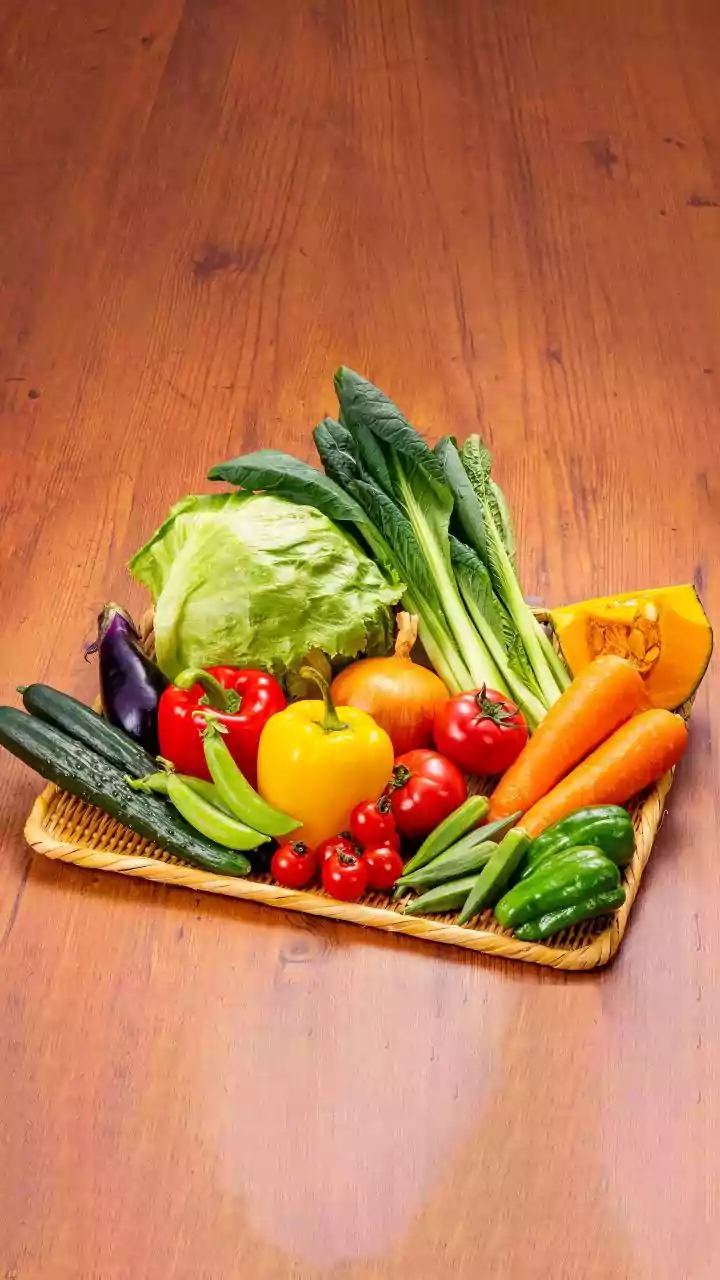
Different foods show spoilage in different ways. For dairy products like milk and paneer, a sour smell or curdled texture are clear warning signs. With eggs, you can perform a simple float test: a fresh egg will sink in water, while an older, less fresh one may float. For meat and poultry, the stakes are higher. Any off-odour, slimy texture, or greyish discolouration means it should be discarded immediately. Fresh produce is more straightforward. While a slightly wilted spinach leaf can be revived or used in cooking, any signs of mould, a mushy texture, or a bad smell indicate it's time to let it go.
Pantry Staples and Canned Goods
For dry goods like dals, rice, flour, and spices, the main enemies are pests and moisture. Store them in airtight containers to prolong their life. While they don't spoil in the same way as fresh foods, they can become stale over time, losing flavour and quality. Canned goods have a very long shelf life, often years past their printed date. However, you must inspect the can itself. Any signs of bulging, deep dents, rust, or leakage are red flags that the contents may be contaminated and unsafe. Never consume food from a damaged can, regardless of the date.
When You Must Trust the Date
While sensory checks are reliable for many foods, there are a few items where the printed date is a strict deadline. The most critical of these is infant formula, which is legally required to have a 'Use By' date. After this date, the nutritional content can degrade, and it may not be safe for a baby. Similarly, be extra cautious with pre-prepared chilled meals, deli meats, and other high-risk processed foods where harmful bacteria can grow without obvious sensory clues. For these items, adhering to the 'Use By' date is the safest course of action.