





A Global Staple on Lockdown
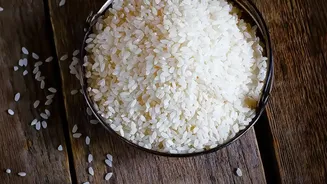
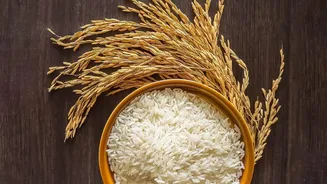
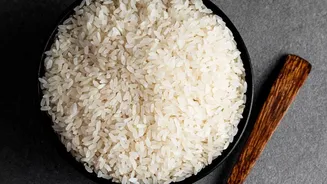
In a move to shield its domestic market from rising prices, India, the world's largest rice exporter, has periodically implemented significant restrictions on its non-basmati rice exports. Accounting for roughly 40% of the global rice trade, any such
decision from New Delhi has an immediate and dramatic effect. Following India's curbs, global rice prices surged, in some cases reaching their highest levels in over a decade. These policies, which include outright bans on certain varieties and steep export duties on others, effectively choked a primary channel of the world's rice supply, leaving many importing nations scrambling for alternatives. The restrictions have impacted multiple categories, from non-basmati white rice to parboiled varieties, triggering a sharp decline in overall export volumes and contributing to global market instability.
The Question of Rules
The global trade system, governed by the World Trade Organization (WTO), generally prohibits countries from imposing quantitative restrictions or bans on exports. This principle, outlined in Article XI of the General Agreement on Tariffs and Trade (GATT), is designed to ensure market predictability and prevent countries from hoarding essential goods, which can distort trade and harm other nations. The idea is to maintain a free and stable flow of goods, preventing the kind of protectionism that can escalate into broader economic conflicts. However, the framework is not absolute. The rules are often described by trade experts as a form of 'under-regulation' when it comes to export bans, leaving significant room for interpretation. This creates a persistent tension between a country’s sovereign desire to protect its citizens and its obligations to the international community.
The Food Security Exception
The 'limit' to the rule lies in a critical exception. Article XI:2(a) of the GATT allows a country to 'temporarily' apply export prohibitions to prevent or relieve 'critical shortages' of foodstuffs. This clause is the legal gateway through which nations like India can justify their export bans. The government's stated aim is to ensure adequate domestic availability and curb food price inflation at home. However, the terms 'temporary' and 'critical' are not clearly defined, giving exporting nations considerable leeway. While the WTO's Agreement on Agriculture requires members instituting such bans to consider the food security effects on importing countries, this obligation is softer for developing nations, creating a grey area that is frequently tested during periods of market stress.
A Ripple Effect of Conflict
The conflict arising from these policies is both economic and diplomatic. For countries in Sub-Saharan Africa and parts of Asia that depend heavily on Indian rice, the bans create immediate food security crises. These nations are forced to seek more expensive rice from other major exporters like Thailand and Vietnam, who may also be facing their own production challenges. This surge in demand drives global prices even higher, disproportionately affecting the world's most vulnerable populations. The situation creates a domino effect: importing countries face higher inflation and social unrest, while competing exporters see a temporary benefit. The result is a fractured global market where food is sometimes used as a tool of national policy, sparking diplomatic friction and undermining collective food security efforts.
The View From New Delhi
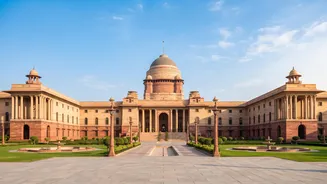
From India's perspective, the decision to restrict exports is a calculated move to manage its complex domestic economy. With a population of over 1.4 billion, ensuring affordable food is a paramount political and social objective. Factors such as below-normal rainfall, rising domestic demand, and increased government procurement for public distribution systems can create immense pressure on local supplies and prices. Studies have shown that while such export restrictions may not always be sufficient to lower domestic prices on their own, they are seen as a key tool to manage price volatility. For the government, the primary responsibility is to its own citizens, even if that means facing criticism on the global stage. The policy is thus a trade-off between securing national interests and upholding the spirit of global trade cooperation.