




The Core Philosophy: Control vs. Flow
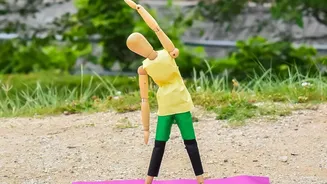
At its heart, Pilates is a system of controlled exercises focused on building core strength, improving posture, and creating a uniformly developed body. Developed by Joseph Pilates in the early 20th century, its mantra is precision and control, engaging
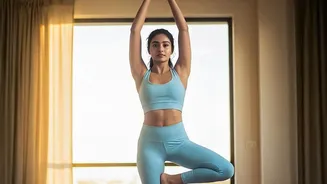
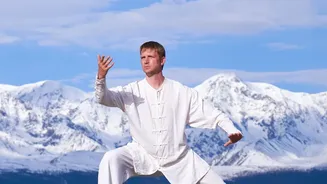
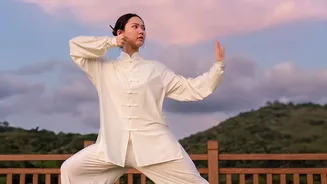
deep abdominal and back muscles to stabilise the spine. The focus is often on mat-based exercises performed for a specific number of repetitions. Tai Chi, on the other hand, is an ancient Chinese internal martial art often described as 'meditation in motion'. It consists of slow, continuous, flowing sequences. The emphasis is on balance, coordination, and the smooth transfer of weight from one foot to the other, all while maintaining a calm and focused mind.
Ease of Home Practice: Space and Equipment
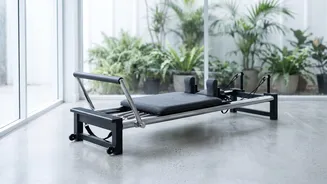
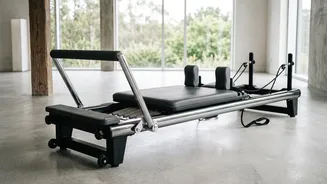
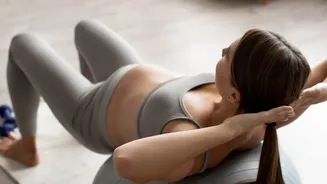
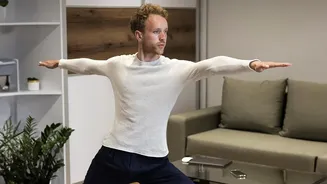
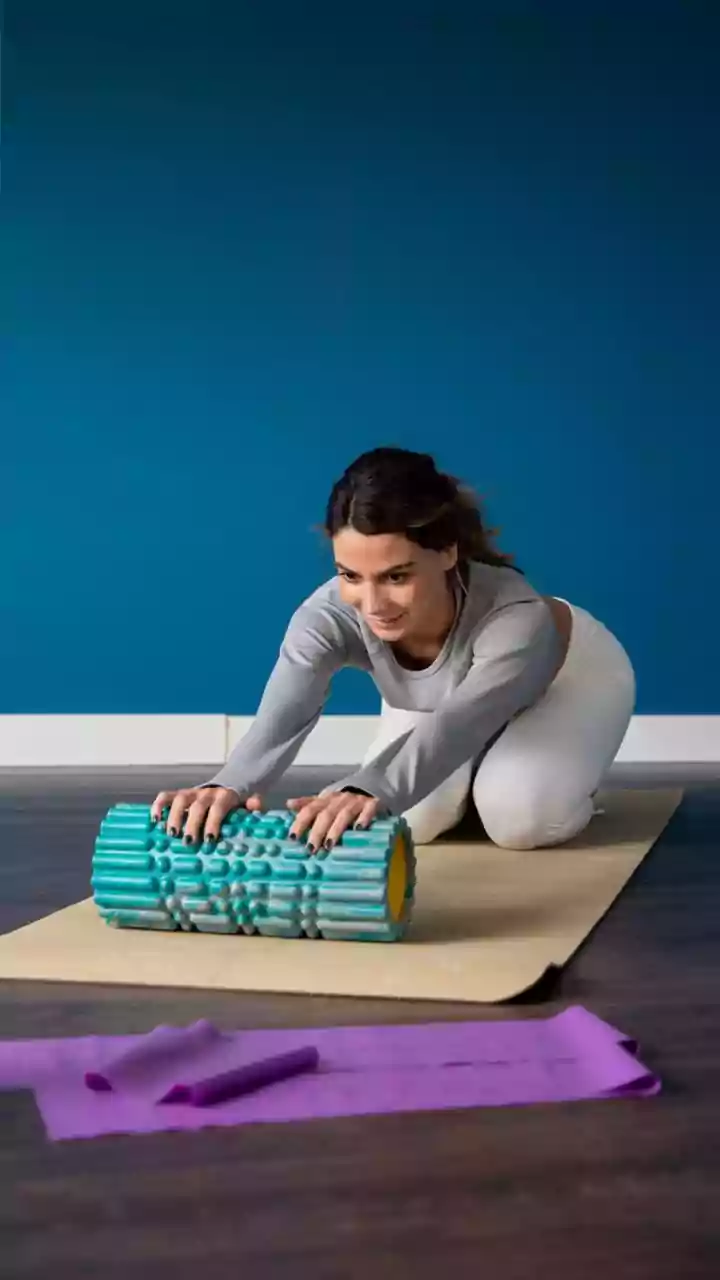
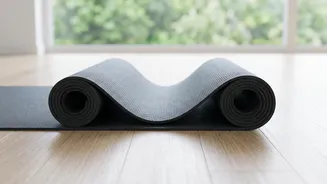
When it comes to home practice, Tai Chi is arguably the most accessible. It requires no special equipment—just comfortable clothing and a small amount of clear space to move. You can practise it indoors in a living room or outdoors in a park. Pilates is also highly adaptable for home practice. A basic mat routine requires only a good quality, thick Pilates mat, which is more cushioned than a typical yoga mat to protect the spine. However, the world of Pilates can expand to include small props like resistance bands, a magic circle, or a stability ball to add variety and challenge. While professional studios use large equipment like the Reformer, a full workout can be achieved with just a mat.
The Learning Curve: Repetition vs. Memory
For beginners, both disciplines have their own challenges. The foundational movements in Pilates are relatively straightforward to attempt, but mastering the precise form and breathing requires concentration and body awareness. Without an instructor, it can be easy to develop bad habits. Many online resources are available, but occasional in-person guidance is often recommended to ensure correct alignment. Tai Chi’s challenge lies in memorising the sequence of movements, known as a 'form'. The pace is slow, which makes it easier for beginners and those with stiff joints to follow along. However, remembering the order and coordination of the graceful, flowing steps takes time and consistent practice. Once learned, though, the form can be practised anywhere.
Key Physical Benefits: Strength or Stability?
Your personal fitness goals should heavily influence your choice. Pilates is renowned for building formidable core strength, which translates to better posture, a more stable spine, and toned muscles, particularly in the abdomen and back. It is a form of strength and resistance training. Tai Chi excels in developing balance, flexibility, and stability. Numerous studies have shown its effectiveness in improving balance and reducing the risk of falls, especially in older adults. While it does build lower-body strength through its slow, squat-like postures, its primary strength is in creating dynamic stability through coordinated, whole-body movement.
Mind-Body Connection: Focused Mind vs. Calm Mind
Both practices are celebrated for their mind-body benefits, but they cultivate this connection differently. Pilates demands intense concentration on breath and muscular control for every single movement, forcing you to be present and aware of your body's alignment. The mental focus is sharp and directed. Tai Chi cultivates a calmer, more meditative state of mind. The continuous, gentle flow and deep breathing are designed to reduce stress and anxiety, promoting a sense of inner peace. It's less about isolating muscles and more about unifying the body and mind in harmonious movement.