





The Latest Threat: Severe Cyclonic Storm Akvan
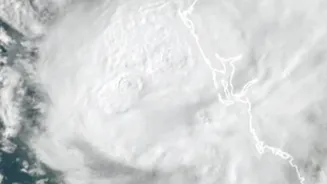
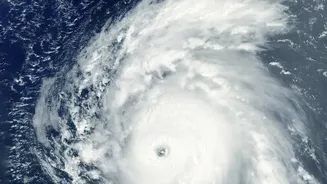
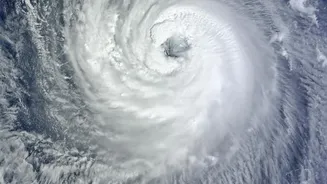
The India Meteorological Department (IMD) is tracking Severe Cyclonic Storm Akvan, which formed from a depression in the Bay of Bengal around November 15. As of the latest updates on November 18, the storm was located over the west-central Bay of Bengal and
moving north-northwestwards. It is forecast to make landfall around noon on November 20, likely crossing the coast between Narsapur in Andhra Pradesh and Puri in Odisha. At landfall, it is expected to be a severe cyclonic storm with sustained wind speeds of 90-100 kmph, gusting up to 110 kmph. The IMD has issued a 'Red Message' warning for the coasts of North Andhra Pradesh and South Odisha, signalling the need for maximum preparedness. Heavy to extremely heavy rainfall is predicted for coastal districts in Andhra Pradesh, Yanam, and Odisha, with alerts extending to Telangana and West Bengal.
A Season of Storms
Storm Akvan's arrival underscores a busy post-monsoon cyclone period in the North Indian Ocean. The season has already witnessed other significant systems, including Very Severe Cyclonic Storm Arnab, which made landfall in late October along the Andhra Pradesh coast, causing extensive damage. That storm was the first named cyclone of the 2026 season and was followed by another system, Murasu, within days. This pattern of back-to-back storms puts immense pressure on coastal communities and disaster response agencies, who face the challenge of recovering from one event while preparing for the next. The 2026 season is the first since 2023 to feature a very severe cyclonic storm, highlighting a return to more intense activity.
Why is the Bay of Bengal So Active?
The Bay of Bengal is naturally more prone to cyclones than the Arabian Sea, experiencing roughly four times the number of storms. Several factors contribute to this. The Bay's land-locked geography keeps its surface water temperatures consistently high, often above the 28°C needed for cyclones to form and strengthen. It also receives a continuous influx of moisture from large rivers and moisture-laden winds. Furthermore, remnants of typhoons from the Pacific Ocean can travel westward and regenerate into cyclones upon reaching the Bay's favourable conditions. Climate change is believed to be exacerbating these conditions, turning what would be normal depressions into more intense and destructive cyclonic storms.
Authorities and Communities on High Alert
In response to the threat from Cyclone Akvan, state governments and national agencies have activated their disaster management plans. The National Disaster Response Force (NDRF) and state-level teams have been deployed to vulnerable coastal districts of Odisha and Andhra Pradesh. Authorities are focused on evacuating people from low-lying areas to cyclone shelters, with Odisha alone planning to move over 200,000 people if necessary. Fishermen have been warned not to venture into the sea, and those already out have been urged to return. Public announcements and alerts are being broadcast, advising residents on safety measures and preparing them for potential disruptions to power, transport, and communication.