





The Science of a Child's Palate
It’s not just stubbornness; there’s a biological reason many children are suspicious of vegetables. From an evolutionary standpoint, a bitter taste often signalled something was toxic or poisonous. Children are born with more taste buds than adults and a heightened
sensitivity to bitter compounds, making them natural-born critics of vegetables like broccoli, cauliflower, and other leafy greens. This fear of new foods, known as food neophobia, is a normal developmental stage that usually peaks between the ages of two and six. Their brains are essentially wired to prefer sweet and salty tastes, so that untouched pile of greens isn't a personal affront to your cooking—it's a survival instinct at play.
Repetition Is Your Most Powerful Tool
The single most effective strategy, backed by numerous studies, is repeated exposure. Research suggests a child may need to be exposed to a new food anywhere from 10 to 20 times before they will even try it, let alone accept it. It’s crucial to understand that 'exposure' doesn't just mean eating. It includes seeing the vegetable on your plate, smelling it as it cooks, touching it, or helping to wash and prepare it. Each of these interactions helps to build familiarity, which is the antidote to food-related fear. The key is to keep offering the food consistently and without pressure, making it a normal part of the mealtime environment.
Why Pressure and Bribes Backfire
While it may be tempting to say, “Just take one bite” or offer dessert as a reward, this approach often does more harm than good. Forcing a child to eat can create power struggles, increase anxiety around mealtimes, and build long-term negative associations with that specific food. This pressure disrupts a child's natural ability to listen to their own hunger and fullness cues, which can lead to unhealthy eating habits later in life. Bribing with sweets sends the message that vegetables are a chore to be endured for a treat, rather than a food to be enjoyed. The goal is to cultivate a healthy relationship with food, not to turn dinner into a performance for your approval.
Practical Strategies for Success
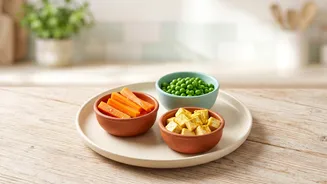
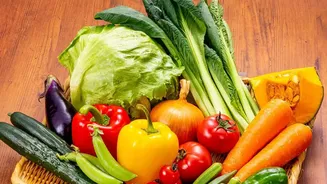
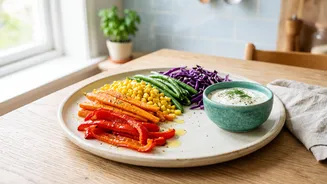
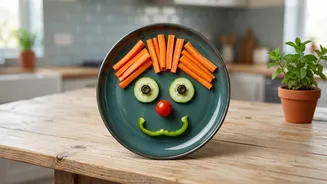
Instead of pressure, try integration. Involve your children in the entire food process. Let them help choose vegetables at the market, wash them in the sink, or arrange them on a pizza. Studies show that children who are involved in food preparation are significantly more likely to eat what they've made. You can also make vegetables more appealing by being creative with presentation—cutting them into fun shapes or serving them with a favourite dip like hummus. Pairing an unfamiliar vegetable with a food they already love, like mixing finely grated carrots into a pasta sauce, can also build a bridge to acceptance. And remember to start with milder, sweeter vegetables like carrots, peas, and corn before moving on to more bitter options.
Lead by Example
Children are excellent mimics. One of the most impactful things you can do is to let them see you eating and genuinely enjoying a wide variety of vegetables yourself. When vegetables are a normal, positive part of the family's meals, they become less of a scary unknown and more of a shared habit. Eat together as a family whenever possible, and talk about the food in a positive way. Your attitude sets the tone; if you treat vegetables as a delicious and essential part of the meal, your child is more likely to adopt that mindset over time. Avoid preparing a separate 'kid's meal,' as this reinforces the idea that the main family meal is something to be avoided.