






From Cloud Tenant to Landlord
For years, OpenAI's strategy was simple: rely on the vast cloud computing infrastructure of partners, most notably Microsoft. This symbiotic relationship allowed OpenAI to focus on creating groundbreaking models like GPT while Microsoft provided the immense
server power required to train and run them. This model, known as cloud leasing, is standard in the tech industry, allowing companies to scale without the colossal upfront cost of building their own facilities. However, the explosive growth of AI and the insatiable demand for processing power have exposed the limits of this approach. The demand for AI is growing so fast that it's straining even the largest data center networks.
The Pivot to Direct Construction
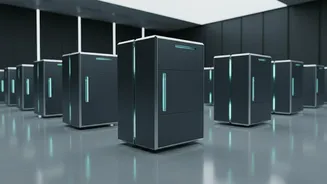
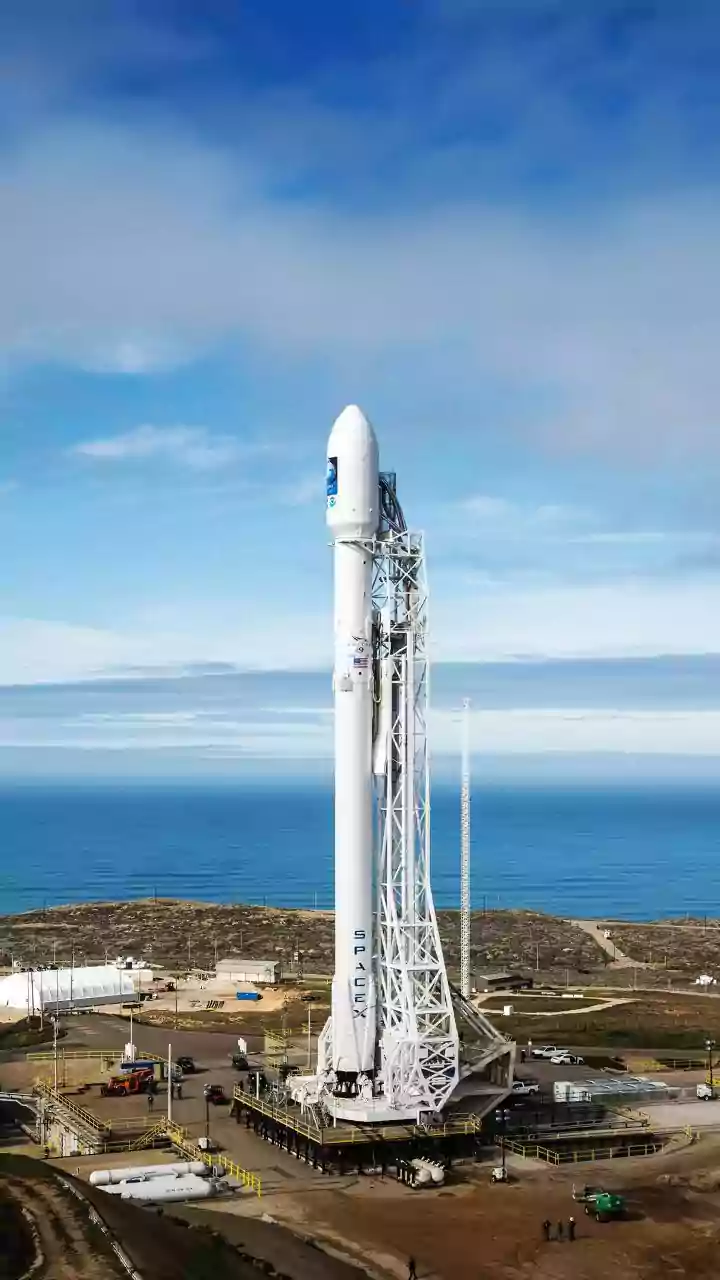
In a significant strategic shift, OpenAI is now moving into the realm of direct construction. The company recently announced it will be the lead designer and builder of its own data centers, a move from being a 'tenant' to a 'landlord' of computing power. A prime example is "Project Camellia," a new data center campus in Georgia, which OpenAI is developing with access to a staggering 3.2 gigawatts of electricity. This project signals a clear intent: to gain greater control over the physical foundation of its AI empire. By designing its own facilities, OpenAI believes it can cut costs, accelerate construction, and optimize its infrastructure specifically for the unique demands of next-generation AI models.
Why Build When You Can Rent?
The decision to build is driven by a quest for control, efficiency, and scale. Relying solely on leased cloud space creates dependencies and potential bottlenecks. As AI models become exponentially more complex, the hardware they run on must be highly specialized. Building its own "AI factories" allows OpenAI to customize everything from the networking to the cooling systems, squeezing out maximum performance. Furthermore, owning the infrastructure provides long-term cost advantages and, crucially, secures the sheer volume of power and space needed for its ambitious goals, which CEO Sam Altman has described as one of the hardest parts of the business. The company's projected compute spending has soared to approximately $750 billion through 2030, underscoring the mind-boggling scale of its needs.
Recalibrating the Microsoft Partnership
This move doesn't mean an end to its landmark partnership with Microsoft. Instead, the relationship is evolving. Recent amendments to their agreement confirm Microsoft remains a primary cloud partner, but OpenAI now has the flexibility to offer its products across any cloud provider. This gives OpenAI greater commercial flexibility and reduces the risk of being locked into a single ecosystem. The partnership, which was once about giving both companies a head start, is now being recalibrated to reflect a new reality where global AI deployment requires broader infrastructure choices and clearer economics for long-term planning.
The Road Ahead: High Costs and Higher Stakes
Embarking on this path is not without immense challenges. Building data centers, especially at the gigawatt scale OpenAI envisions, is incredibly expensive and complex. The company has committed an initial $20 billion to get Project Camellia started. Securing land, permits, and, most importantly, the massive amounts of electricity needed is a monumental task that has become a major bottleneck for the entire industry. OpenAI is tackling this by paying for its own power infrastructure upgrades and even committing to reduce its power consumption during peak demand to support the local grid. This strategic pivot is a high-stakes gamble that OpenAI's future depends not just on writing the best code, but also on mastering concrete, steel, and power grids.