






The Grain and the Technique
Before you even turn on the stove, understanding the grain is half the battle. Millets, for instance, are not a single entity. Foxtail millet, pearl millet (bajra), and finger millet (ragi) each have unique textures and flavours. A delicate grain like
foxtail millet cooks quickly and requires a gentle hand, while a robust grain like sorghum (jowar) needs more work to become tender. The cooking method isn't just about applying heat; it's a way to either preserve a grain's delicate nature or tame its toughness. Traditional Indian cooking has perfected these pairings over centuries, creating a roadmap for modern kitchens. The goal is to match the technique to the grain's inherent properties to achieve the best possible taste and texture.
The Power of Soaking
One of the most crucial, yet often skipped, steps in preparing traditional grains is soaking. Soaking for several hours or overnight does more than just soften the grain; it makes it more digestible and improves nutrient absorption by reducing anti-nutrients like phytic acid. This process also significantly cuts down on cooking time, which is especially helpful for denser grains. For many millets, a six-to-eight-hour soak is ideal. After soaking, it's important to drain the water and rinse the grains again before cooking. This simple, preparatory step ensures a better final dish, whether you're boiling, steaming, or pressure cooking.
Boiling and Steaming for Fluffy Results
For smaller millets like foxtail, little, and barnyard millet, the open-pot boiling or steaming method is perfect for achieving a light, fluffy texture similar to rice or quinoa. The general rule is a 1:2 grain-to-water ratio. After soaking and rinsing, bring the water to a boil, add the millet, and then reduce the heat to a simmer, covering the pot. Cook until the water is absorbed, which usually takes 10-15 minutes. The key is to avoid frequent stirring, which can make the grains mushy. Once cooked, let it rest off the heat for about ten minutes before fluffing with a fork. This method is ideal when you want separate, distinct grains for a pilaf, salad, or a simple side dish.
Pressure Cooking for Heartier Grains
Denser, tougher grains like pearl millet (bajra) and sorghum (jowar) benefit immensely from pressure cooking. This method uses high-pressure steam to cook food faster, breaking down the tough structure of these grains and making them perfectly soft and digestible. After soaking, you can pressure cook millets with a 1:2 grain-to-water ratio for about two whistles on a medium flame. Allowing the pressure to release naturally ensures the grains continue to cook in the residual steam, resulting in a tender finish. This technique is a time-saver and is particularly effective for grains that would otherwise require prolonged simmering on the stovetop.
Roasting and Toasting to Unlock Flavour
Toasting grains in a dry pan before cooking is a simple trick to deepen their flavour. This method works beautifully for grains like amaranth and even some millets. Heating the grains for a few minutes over medium heat until they release a nutty aroma enhances their natural taste. From there, you can proceed with boiling them to make a porridge or side dish. Amaranth seeds can also be 'popped' like popcorn in a hot, dry pan. These tiny, popped seeds are crunchy and can be sprinkled over salads, yogurt, or other dishes for added texture and a protein boost.
Working with Flours: The Art of the Roti
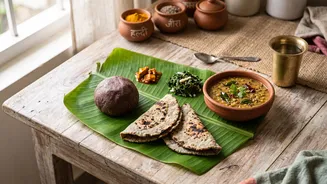
For many, the entry point to grains like jowar, bajra, and ragi is through their flours, used to make flatbreads like rotis or bhakris. The secret to a soft millet roti lies in using hot water to knead the dough. Hot water helps to soften the flour and create a pliable dough that is easier to roll without cracking. After kneading, letting the dough rest for 10-15 minutes allows the flour to fully hydrate. When cooking, use a medium-hot tawa; a pan that's too hot will dry the roti out, while one that isn't hot enough can make it chewy.