





An Astronaut and a Food Ambassador
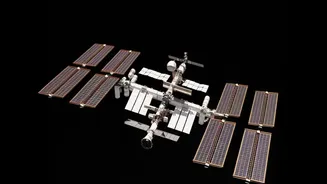
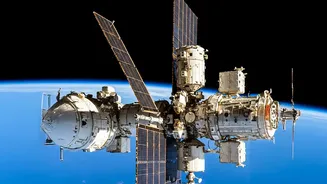
Shubhanshu Shukla, a decorated Indian Air Force test pilot, became the first Indian to visit the International Space Station (ISS) in decades when he flew as a pilot for Axiom Mission 4 in June 2025. While also selected as one of the four elite astronauts
for India's ambitious Gaganyaan mission, this ISS journey was a historic moment in itself. Shukla's background is impressive, with over 2,000 hours of flying experience on various fighter jets, but it was his luggage that captured the imagination of a nation: a selection of specially prepared Indian dishes.
The Menu That Almost Wasn't
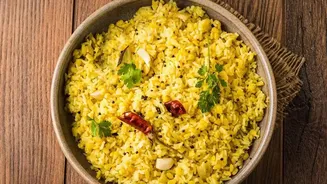
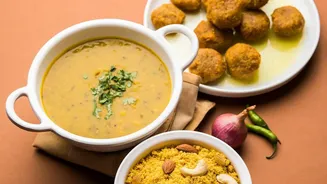
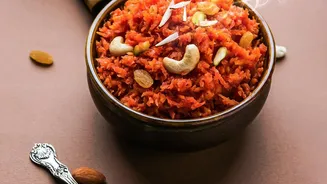
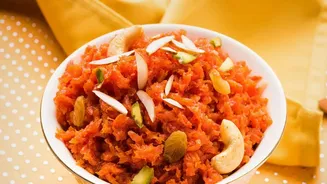
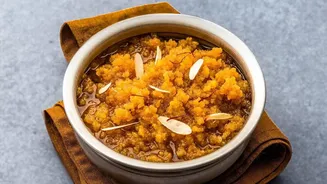
Getting food approved for space is incredibly complex. Each item must undergo rigorous testing to ensure it's safe, nutritious, stable, and easy to eat in zero gravity, where crumbs can be a serious hazard. The Defence Food Research Laboratory (DFRL), which is developing the menu for the Gaganyaan mission, had prepared an extensive list of Indian favourites, including khichdi, pulao, and various vegetable dishes. However, as Shukla later revealed, the stringent qualification process and tight timelines meant that only three items made the final cut for his mission: Gajar ka Halwa, Moong Dal Halwa, and Aamras (mango puree).
A Gesture of Universal Friendship
The headline's claim is charmingly true, but with a twist. Shukla did indeed take Indian food to space with the intention of sharing, but his generosity was almost outpaced by his crewmates' curiosity. In a recent podcast, Shukla laughingly recalled that his international crew—hailing from the US, Russia, Poland, and more—were so eager to taste the Indian delicacies that they finished the portions before he got a chance. This act of sharing, even if unintentional on his part, transformed the Indian sweets from a personal comfort item into an instrument of cultural diplomacy, a sweet taste of India shared in the most global of all locations.
The Craving for Home
Living in space has a peculiar effect on the senses. Due to microgravity, bodily fluids shift upwards, causing a persistent feeling of nasal congestion that dulls the sense of taste and smell. Astronauts often crave spicy or intensely flavourful food to compensate. For Shukla, this craving hit around the 13th day of his mission. He found himself longing for salty and spicy flavours from home. His wish was granted upon his return to Earth when his Indian flight surgeon greeted him not with a formal debrief, but with banana chips and bhakarwadi—a simple, crunchy, and flavourful welcome back to the world of gravity and spice.
Paving the Way for Gaganyaan
Shukla's mission on Ax-4 provided invaluable experience, not just in spaceflight operations but also in the softer, human elements of long-duration missions. The lessons learned from qualifying and consuming Indian food in space will directly inform the preparations for the Gaganyaan mission, which will feature a much wider menu of over two dozen items, including idli, upma, and biryani. As India prepares to send its own astronauts into orbit on an Indian spacecraft, it's clear that a taste of home will be an essential part of the payload, reminding the crew of the nation they represent, one meal at a time.