




The Pinch at the Sabzi Mandi
It’s a familiar story: the cost of essential ingredients seems to be on a relentless upward trend. Recent data from June 2026 shows food inflation at 5.32%, a figure that confirms what many are experiencing firsthand. This isn't just a number on a report;
it's the higher price you pay for tomatoes, the rising cost of your preferred cooking oil, and the extra rupees spent on dals and pulses. This volatility makes it difficult to stick to a rigid grocery budget and can turn cooking, a source of joy for many, into a source of anxiety. The unpredictability of which item will be expensive next week is precisely why a more adaptable approach to home cooking is no longer a choice, but a necessity.
Build a Flexible Menu Framework
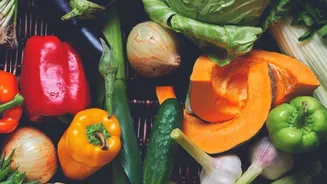
The secret to navigating this uncertainty is to move away from strict, inflexible meal plans. Instead, think of your weekly menu as a flexible framework. Instead of deciding on "aloo gobi" and "dal makhani" specifically, plan for "one potato-based dry sabzi" and "one creamy dal." This simple shift in mindset opens up a world of possibilities. If cauliflower is expensive, you can use green beans or capsicum with the potatoes. If urad dal prices have shot up, you can achieve a similar creamy texture with a mix of other available lentils. This approach allows you to buy what's fresh, seasonal, and affordable at the market, rather than hunting for specific, overpriced ingredients.
Master the Art of Smart Swaps
A well-stocked pantry is your best ally against inflation. Knowing how to substitute ingredients is a culinary superpower. Are tomatoes, the base of so many Indian gravies, too costly? Use tamarind pulp, amchur (dry mango powder), or even a dash of curd for a similar tangy flavour profile. For bulk and base, a puree of boiled pumpkin or bottle gourd can work wonders. If a particular vegetable like bell peppers is out of budget, seasonal carrots or cabbage can provide a similar crunch in stir-fries. Similarly, don't be beholden to one type of grain or lentil. Explore millets, which are often more affordable and highly nutritious, as an alternative to rice or wheat in some meals.
Your Pantry and Freezer Are Your Best Friends
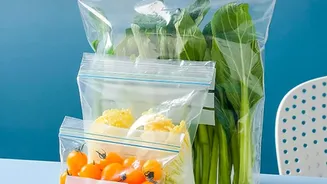
Strategic stocking can save you a significant amount of money. When staples like rice, flour, and dals are on offer, buying in bulk can be cost-effective, provided you have proper storage to prevent spoilage. Your freezer is equally valuable. When seasonal vegetables like peas or carrots are cheap, buy extra, blanch them, and freeze them for later use. You can also make and freeze ginger-garlic paste, onion-tomato masala base, or even whole meals. This not only saves money but also cuts down on daily cooking time. An organized pantry where you can see what you have prevents you from buying duplicates and encourages you to use up what's nearing its expiry date.
Turn 'Waste' into Your Next Meal
A significant portion of grocery spending is lost to food waste. Adopting a "root-to-leaf" philosophy can unlock hidden value in your produce. For instance, cauliflower leaves and stems can be stir-fried into a delicious sabzi. Vegetable peels and ends can be simmered to create a flavourful stock for soups and dals. Leftovers are not a sign of failure but an opportunity for creativity. Leftover dal can be used to knead dough for parathas. Extra rice can be quickly transformed into lemon rice or a hearty fried rice for the next day's lunch. Planning one "use-it-up" meal per week can drastically reduce the amount of food you throw away.